CBK holds lending rate at 8.75 per cent despite rising inflation pressure
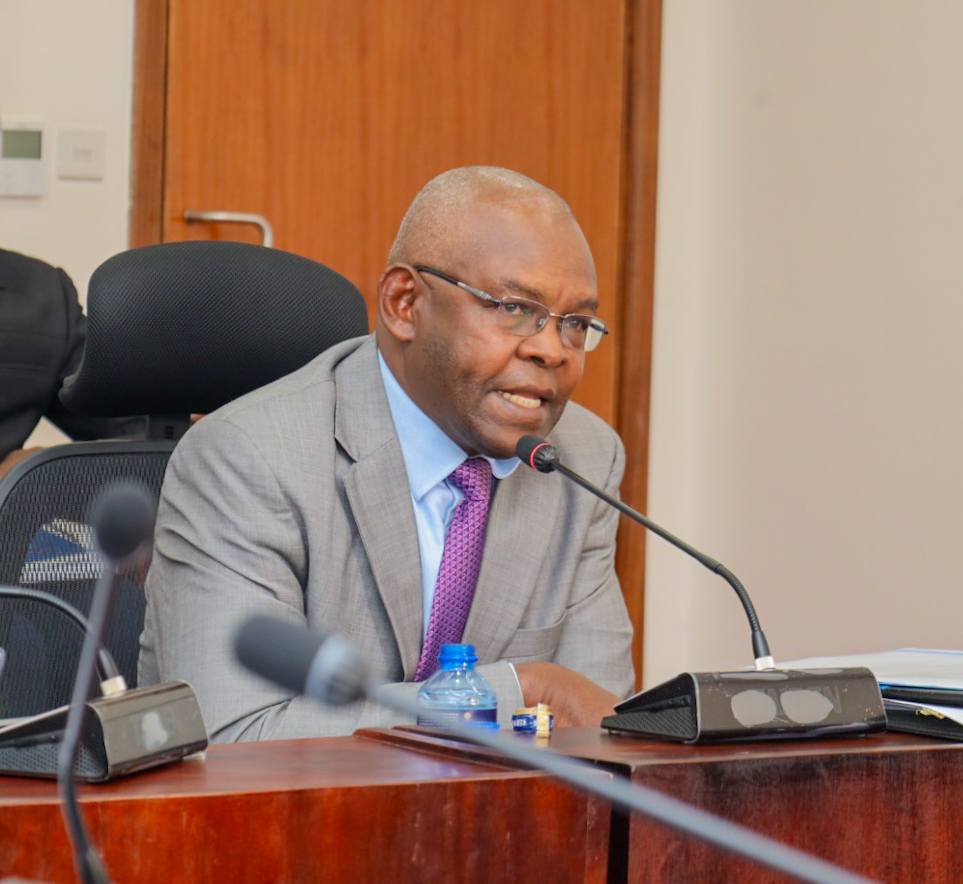
The Central Bank of Kenya said rising global inflation risks, driven mainly by the conflict in the Middle East, continue to influence domestic price trends and justify keeping the rate unchanged.
The Central Bank of Kenya has left its benchmark lending rate at 8.75 per cent after its June 9 Monetary Policy Committee meeting, maintaining its stance even as inflation pressures rise and banks push for a policy shift to contain price increases in the economy.
In its statement, the Monetary Policy Committee said the current policy position remains suitable despite growing risks in both global and domestic economic conditions.
"The Monetary Policy Committee (MPC) decided to maintain the Central Bank Rate (CBR) at 8.75 percent, during its meeting held on June 9, 2026," stated CBK.
The Central Bank of Kenya said rising global inflation risks, driven mainly by the conflict in the Middle East, continue to influence domestic price trends and justify keeping the rate unchanged. The bank noted that energy and transport costs have been pushed higher by disruptions in global supply chains.
"The conflict in the Middle East has disrupted global supply chains and led to a sharp increase in energy prices and transportation costs, resulting in higher inflation and moderated global growth prospects," CBK stated.
Locally, inflationary pressure has continued to build, with Kenya’s overall inflation rising to 6.7 per cent in May 2026, up from 5.6 per cent in April. The increase has mainly been driven by higher fuel and cooking gas prices that have filtered through the economy.
Non-core inflation, which covers food and energy items, rose sharply to 16.0 per cent in May from 13.4 per cent in April. This has led to higher costs for basic goods, including vegetables such as tomatoes and cabbages, putting more pressure on household spending at a time when fuel prices remain high.
The Central Bank noted that government interventions, including subsidies and a temporary reduction of VAT on fuel from 16 per cent to 8 per cent, have helped cushion consumers and supported price stability.
Improved lending activity in the banking sector also played a role in shaping the policy decision. Private sector credit growth increased to 9.3 per cent in May 2026, recovering from negative 2.9 per cent recorded in January 2025, according to the bank.
At the same time, borrowing costs have eased, with average lending rates falling to 14.5 per cent in May 2026 from 17.2 per cent in November 2024. This has offered some relief to borrowers in sectors such as trade, agriculture, and construction.
The Kenya Bankers Association has, however, criticised the decision to hold the rate, arguing that inflationary pressure remains high and calls for a tighter monetary stance.
The association says the 6.7 per cent inflation recorded in May reflects growing strain on household budgets and raises the risk of further price increases across the economy.
It further argues that a small upward adjustment of the Central Bank Rate would help anchor inflation expectations, maintain price stability over the medium term, and reduce uncertainty in credit markets that could weaken consumer purchasing power and slow economic activity.
Looking ahead, CBK projects the economy to grow by 4.9 per cent this year, revised down from an earlier forecast of 5.3 per cent, citing continued global uncertainty and its impact on agriculture and services.



Comments
Sign in with Google to comment, reply, and like comments.
Continue with Google