Matatu strike enters second day as transport paralysis continues across Kenya

The strike has been driven by stalled discussions between transport players and government officials, who had been trying to find a way forward on the rising cost of fuel and its effect on operations.
Across Kenya, movement remained heavily affected on May 19 as the nationwide matatu strike extended into its second day, with operators holding firm in their shutdown over increased fuel prices that they say have made it difficult to sustain transport services.
The impact was felt in several urban centres, including Nairobi, Nakuru, Kisumu and Eldoret, where public transport vehicles stayed off the roads. Thousands of commuters were left with limited options, with many walking to their destinations while others paid higher fares from the few available private operators.
The strike has been driven by stalled discussions between transport players and government officials, who had been trying to find a way forward on the rising cost of fuel and its effect on operations.
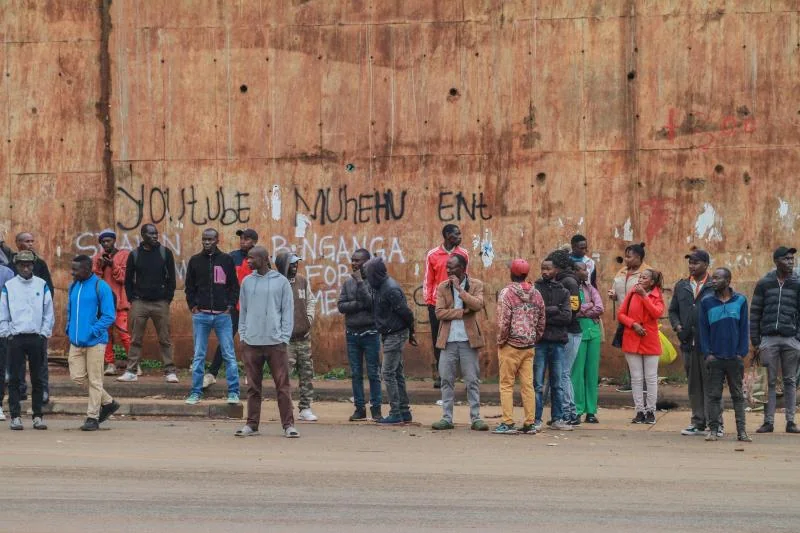 Stranded commuters on the road side along Waiyaki Way on May 18, 2026.PHOTO/HANDOUT
Matatu Owners Association President Albert Karagacha said no agreement was reached after extended negotiations collapsed.
“We have not agreed on anything. The government, through the Ministry of Energy, can look for the Sh45 we are losing. We are already servicing loans and still cannot pay for some services. The matatu strike will continue until we get a solution,” he said.
He added that operators were under severe financial strain as losses continue to accumulate.
“Today, we have incurred losses of over Sh500 million, and we are willing to continue the strike until fuel prices are reduced,” he said.
The Transport Sector Alliance has also thrown its support behind the industrial action, with operators calling for fare adjustments of up to 50 per cent to match the rising cost of fuel and vehicle maintenance. Leaders within the sector have urged members to remain peaceful during the protest and avoid any form of disruption or violence.
Commuters continued to struggle with the effects of the strike, with many reporting long journeys on foot, increased boda boda charges, disruption of school transport in some areas and delays in normal business activities.
In Nairobi, major roads such as Thika Superhighway, Mombasa Road, Jogoo Road, Waiyaki Way, Juja Road and Ngong Road saw very low levels of public transport activity, as the strike maintained its grip on the city and other parts of the country, with further talks expected as fuel prices remain high following the latest EPRA review.




Comments
Sign in with Google to comment, reply, and like comments.
Continue with Google