Lands Commission faces probe over staff hiring claims and gender imbalance in leadership
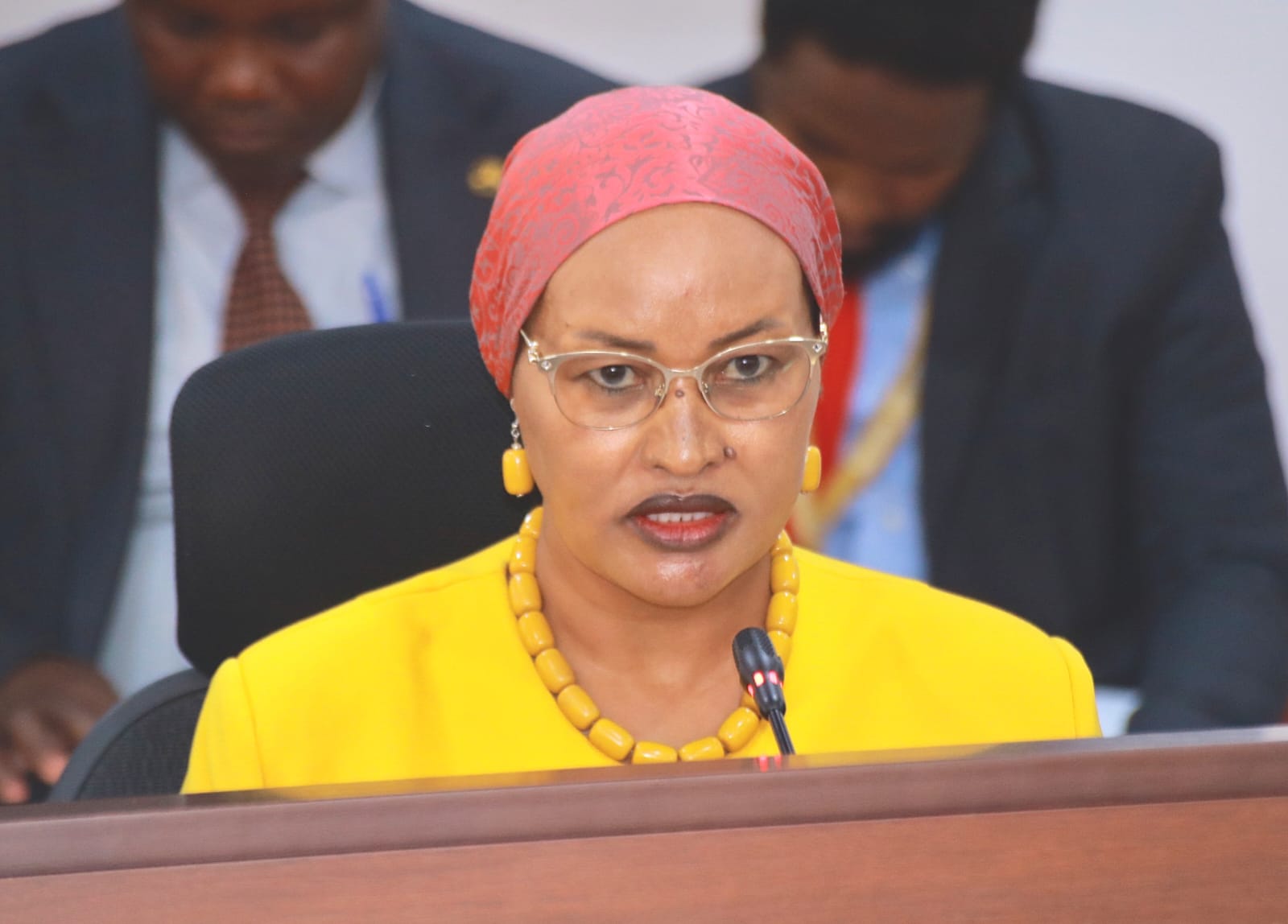
At the centre of the petition are claims that some hiring decisions may have bypassed constitutional and legal requirements meant to guarantee fairness, openness and equal opportunity in public service.
The National Land Commission has come under pressure to explain how dozens of employees were hired and retained after a petition raised questions over whether recruitment rules were followed, while also drawing attention to a leadership team dominated almost entirely by men.
The concerns, now before the National Assembly Committee on National Cohesion and Equal Opportunity, stem from a petition filed by Public Interest Group Executive Director Peter Agoro, who is seeking records and explanations on staff appointments made by the commission over the last three years.
At the centre of the petition are claims that some hiring decisions may have bypassed constitutional and legal requirements meant to guarantee fairness, openness and equal opportunity in public service.
The petition also points to a gender imbalance within the commission's senior management. Information published on the NLC website shows that Chief Executive Officer Kabale Tache is the only woman among the secretariat's top leadership, while all 10 directorates are headed by men, raising concerns over compliance with the constitutional two-thirds gender principle.
In a letter dated March 2 and addressed to Tache, Agoro requested access to information relating to appointments and staff retained by the commission between February 1, 2023 and March 31, 2026.
“This request is premised on credible and consistent reports that have come to our attention regarding irregular, opaque and potentially unlawful recruitment and retention of individuals within NLC in contravention of applicable constitutional and statutory requirements,” says Agoro.
According to the petition, the allegations touch on key public service principles that require government institutions to conduct recruitment in a manner that is transparent, accountable and based on merit.
Agoro, citing Article 35 of the Constitution, which guarantees access to information, asked the commission to provide a certified list of all individuals recruited, appointed or retained during the period under review.
He wants details including their names, positions held and terms under which they were engaged.
The petition further seeks information on their departments or directorates, job grades, salary scales and dates of appointment.
Agoro also requested documents showing how each recruitment process was carried out, including proof that vacancies were publicly advertised, records of shortlisted candidates, interview proceedings, evaluation reports, appointment letters and approvals granted before the appointments were made.
The petitioner is also demanding explanations for any employees who remain in office despite not having gone through a competitive recruitment process. He wants the commission to disclose the legal basis used to justify their continued stay.
Agoro argues that constitutional commissions are required to uphold the standards set out under Article 10 of the Constitution, which binds public institutions to values such as integrity, accountability, transparency and equality.
He further cites Article 232(1), which outlines the principles governing public service, including fair competition, merit-based appointments and equitable representation.
According to the petition, failure to comply with these constitutional requirements amounts to administrative impropriety and could invalidate appointments or staff retention decisions that do not meet the prescribed standards.



Comments
Sign in with Google to comment, reply, and like comments.
Continue with Google