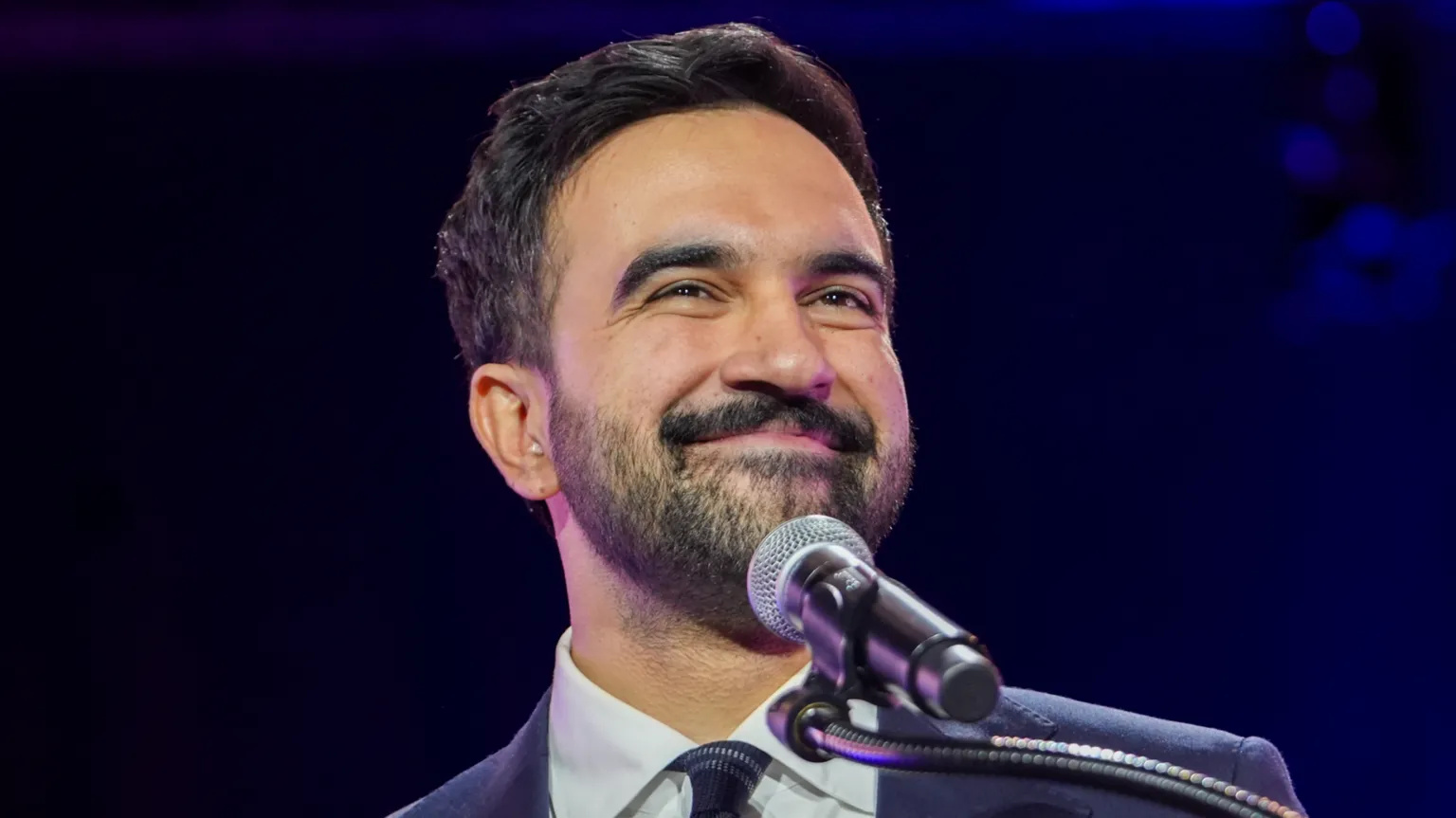
A political shift has taken shape in New York City after Zohran Mamdani rose from near obscurity to win the mayor’s seat, defeating some of the most recognisable figures in the state.
His journey from a little-known candidate with limited campaign resources to the next leader of America’s biggest city has stunned the political establishment and reshaped conversations inside the Democratic Party.
Mamdani’s win is historic on several fronts — he will be the first Muslim to lead the city, the first mayor born in Africa, and the youngest elected since 1892. When he entered the contest, he had no strong party backing, no major donors and very little visibility.
Yet he managed to beat former governor Andrew Cuomo and Republican contender Curtis Silwa, proving that a grassroots message can still compete against long-established names.
For many on the progressive side of the Democratic Party, Mamdani represents the kind of leader they have long hoped to elevate. He is young, energetic and deeply connected to younger voters, especially through his social media reach.
He has campaigned openly for free childcare, more investment in public transit and stronger government involvement in economic policy, while still speaking to everyday struggles faced by working families.
His ethnicity and progressive values have made him a symbol of the party's changing face — one shaped by diversity and a push for policies that challenge traditional economic systems.
He did not retreat from cultural debates and has remained firm in his positions, even when opponents suggested such ideas were too far left for the city or the country.
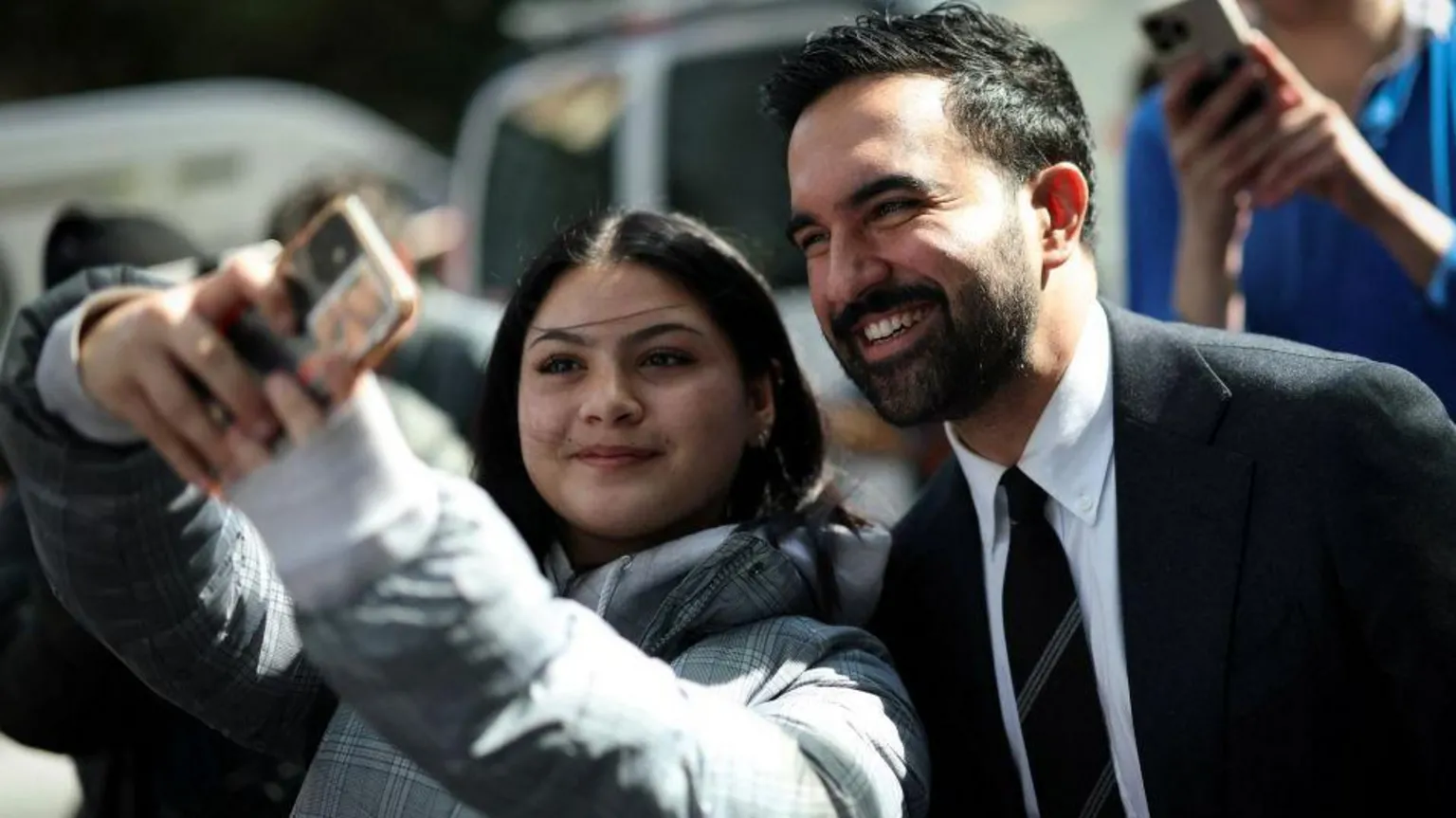 Zohran MamdaniPHOTO/REUTERS
Republicans, including former president Donald Trump, have tried to paint him as a radical threat to the country’s largest urban centre. But his victory shows he was able to build a coalition strong enough to defeat a figure as entrenched as Cuomo, who came from a powerful political family.
Mamdani’s win has drawn heavy media attention. Expectations will now follow him to City Hall, where past progressive leaders have struggled to turn big promises into lasting achievements.
The experience of former mayor Bill de Blasio, who entered office with major plans but left with mixed reviews, serves as a reminder that city leaders face limits in power and resources.
His proposals will require substantial funding, and Governor Kathy Hochul has already ruled out supporting tax increases to finance his ideas. Mamdani has also been critical of corporate players in New York, yet he may soon need their cooperation to govern effectively.
Signs of outreach in recent weeks suggest he understands the balance required.
His position on global issues also stands out. He has firmly criticised Israel’s actions during the Gaza conflict and vowed to arrest Prime Minister Benjamin Netanyahu if he visits New York, a statement that could be tested during his term.
Despite national buzz, many Americans still do not know him, with a CBS poll showing almost half the public did not closely follow the election. That leaves room for both Mamdani and his critics to shape public perception.
Trump has already warned that a Mamdani-led New York could struggle, signalling future political clashes that may give Mamdani an even bigger audience.
As he prepares to take office in January, the new mayor steps into a role filled with hope, pressure and sharp political divides. For supporters, he represents a fresh direction.
For opponents, he is a leader to challenge. His next steps will determine whether his win becomes a model for progressive politics — or a cautionary tale.































Comments
Sign in with Google to comment, reply, and like comments.
Continue with Google