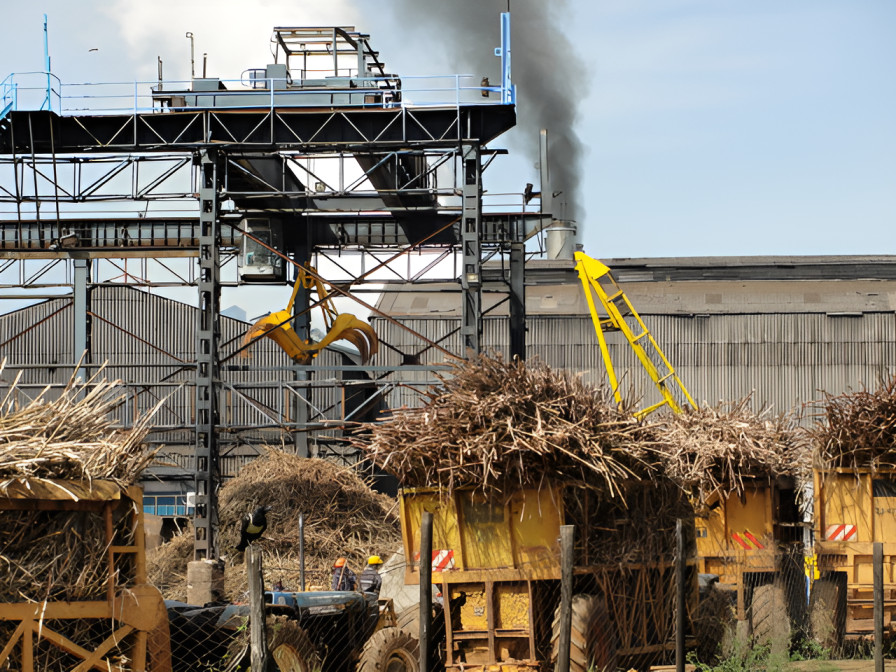
Concerns are rising over the leasing of four State-owned sugar mills, with the World Bank Group and the Competition Authority of Kenya warning that gaps in the process could deepen market distortions instead of improving efficiency.
The agencies caution that the leases of Nzoia, Muhoroni, Sony, and Chemelil sugar factories to private operators for 30 years, starting May 2025, might fail to create genuine market discipline if competition issues are ignored.
The joint report notes that without addressing these challenges, consumers could end up paying more for sugar.
“The GOK [government] has sought to increase private investment and market discipline through the leasing of State-owned mills, although competition concerns remain in the implementation of leasing processes,” the report states.
The document points to years of government support for state mills that has skewed the market, shielding underperforming factories while limiting opportunities for more productive private companies.
Over the last decade, this support has come through debt cancellations, direct payments, and other forms of financial relief. In 2023, for instance, the government wrote off Sh117 billion in debts, including loans from the Sugar Development Fund and accumulated taxes and penalties.
Earlier, the previous administration waived Sh62 billion in 2020. Additional assistance included Sh150 million paid to Mumias farmers in January 2025 and a Sh166 million grant to Muhoroni in 2022 to clear pending debts to farmers and suppliers.
“These transfers from Kenyan taxpayers to state-owned mills create an unlevel playing field between private and state-owned mills, preventing more efficient firms from expanding and putting resources to higher-value use,” the World Bank and CAK warn.
The report also highlights a structural issue: local sugar production is far costlier than imported sugar. Between 2022 and 2023, factory-level prices rose by over 40 percent annually, surpassing increases in cane costs and global price trends.
The report adds that higher prices have mainly benefited millers rather than farmers, while import restrictions prevent cheaper sugar from reducing retail prices.
The government leased Nzoia to West Kenya Sugar Company, Chemelil to Kibos Sugar & Allied Industries Ltd, Sony to Busia Sugar Industry Ltd, and Muhoroni to West Valley Sugar Company Ltd, arguing that the move will attract private capital and improve efficiency.
However, CAK’s director for Competition and Consumer Protection, Amenya Omari, said the authority lacks the legal framework to influence privatisation processes. “The greatest challenge is the lack of an enabling legal provision that enables the Competition Authority to have a bigger role in the privatisation process,” he said, highlighting a loophole that could allow market dominance to persist.