Zimbabwe has decided to reject a proposed US health funding agreement worth Sh367 billion over five years, citing fears that the deal would grant Washington extensive access to sensitive biological data without ensuring benefits for Zimbabwe.
The move highlights Harare’s insistence on safeguarding national health resources while maintaining partnerships with foreign donors.
The decision came to light after a government memo from December was leaked, showing that President Emmerson Mnangagwa considered the arrangement “lopsided.”
Officials explained that the US sought access to biological samples for research and commercial purposes but was not committing to share any resulting vaccines, treatments, or medical innovations with Zimbabwe.
US ambassador to Zimbabwe Pamela Tremont said Washington would begin withdrawing its health support.
“We will now turn to the difficult and regrettable task of winding down our health assistance in Zimbabwe,” she said, emphasizing that over the last 20 years the US has contributed more than Sh1.9 trillion to the country’s health sector.
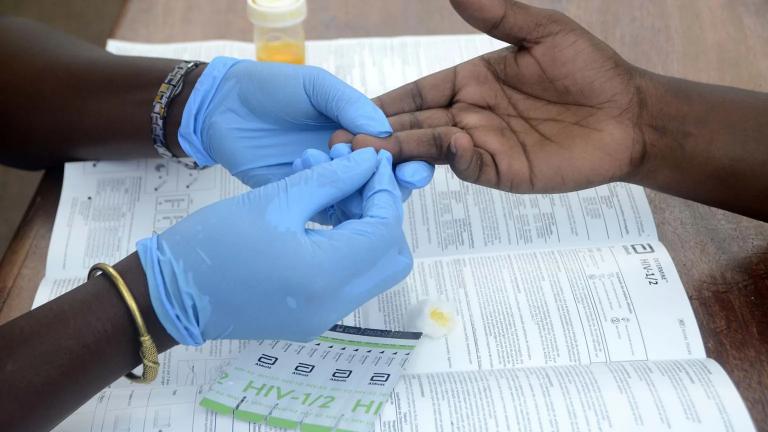
The proposed funding was meant to support HIV and Aids treatment, tuberculosis and malaria programmes, maternal and child health, and disease outbreak preparedness.
Tremont added: “We believe this collaboration would have delivered extraordinary benefits for Zimbabwean communities especially the 1.2 million men, women and children currently receiving HIV treatment through US-supported programmes.”
Zimbabwe government spokesperson Nick Mangwana described the deal as “asymmetrical.” He said, “Zimbabwe was being asked to share its biological resources and data over an extended period, with no corresponding guarantee of access to any medical innovations - such as vaccines, diagnostics, or treatments - that might result from that shared data.
In essence, our nation would provide the raw materials for scientific discovery without any assurance that the end products would be accessible to our people should a future health crisis emerge.”
Mangwana further explained that Washington’s departure from the World Health Organization and the push for bilateral agreements disrupted existing frameworks for equitable health collaborations.
He cited the Pathogen Access and Benefit Sharing scheme, designed to ensure that countries contributing data also share in the benefits: “This system is designed to ensure that when a country contributes its data, the benefits - including vaccines and treatments - are shared equitably, not commercialised exclusively by those with the resources to develop them.”
He also clarified that Zimbabwe’s stance was not anti-American. “We welcome continued dialogue with our American counterparts on how future co-operation might be structured in a manner that respects the sovereignty and dignity of both nations,” Mangwana said.
Since returning to office, US President Donald Trump has reduced foreign aid and closed the United States Agency for International Development, arguing that previous spending was wasteful and that direct government-to-government deals would increase transparency.
According to the US embassy in Zimbabwe, 16 African countries have signed new health pacts totaling more than Sh18.3 trillion in funding.
The Zimbabwe College of Public Health Physicians acknowledged the government’s concerns but urged continued negotiations to secure funding for the country’s HIV programmes.
“Where technical issues exist, including those relating to data governance or implementation frameworks, these can often be addressed through technical clarification and negotiated safeguards,” the college said.






























