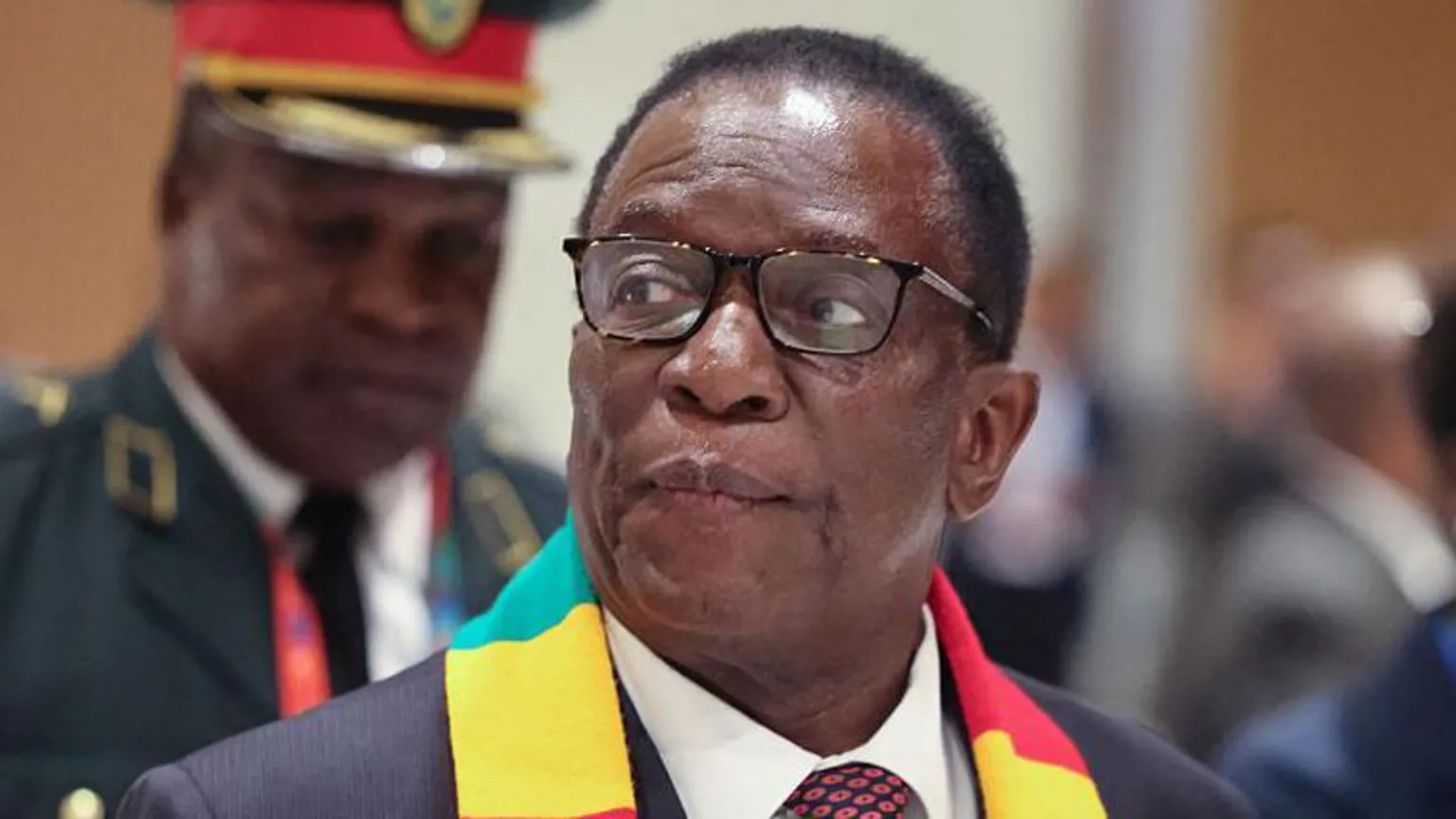
Growing political unease in Zimbabwe is intensifying as proposed constitutional amendments that would remove direct presidential elections and place the choice of head of state in the hands of parliament advance through the legislative process, drawing strong criticism from opposition figures and raising questions about the future of the country’s electoral system.
The draft changes have triggered a wave of public debate across the country, with parliamentary hearings becoming a platform for both vocal backing and firm resistance, amid claims of pressure, disruptions, and restrictions on political expression.
At the core of the proposed reforms is legislation supported by the ruling Zanu-PF party that would end the practice of citizens voting directly for the president, extend both presidential and parliamentary terms from five to seven years, and push the 2028 general elections to 2030. Under the same proposals, the next president would be selected by members of parliament rather than through a national vote.
Opposition leaders have described the move as a serious threat to democratic space. Veteran opposition figure and former finance minister Tendai Biti said: "This is a coup, a slow coup that is unfolding in Zimbabwe,"
On the other hand, the ruling party has maintained that the amendments are intended to improve governance and reduce the cost and tension associated with national elections. Party spokesperson Patrick Chinamasa defended the proposals, stating: "There's nothing that stops us to change, to go to another system that's less costly, less controversial,"
Public participation forums held in recent weeks have reflected the split in opinion. In Harare, large crowds gathered at a public hearing where many participants expressed support for the constitutional changes and for President Emmerson Mnangagwa to remain in office beyond the current constitutional timeline.
Some attendees openly endorsed the bill, with one woman stating: "I support the bill in its entirety," while others argued that shifting to a parliamentary system of choosing the president and extending term lengths could help stabilize governance and reduce disputes tied to elections.
Despite the show of support, opposition-aligned participants reported tense scenes during the hearings. At certain moments, disagreements escalated into disorder, with accounts of pushing, shoving, confiscation of mobile phones, and journalists being pressured to erase recorded footage.
Opposition politician and lawyer Fadzayi Mahere told the BBC that supporters of the ruling party were behind the disruptions, saying the intention was to prevent critics from expressing their views during the proceedings.
The ruling party rejected those claims. Chinamasa dismissed the allegations of orchestrated disruption, arguing that the level of public support made such actions unnecessary. He said: "What reason what do we have as Zanu-PF to be violent when the masses are behind us? The opposition does not accept that their view is failing to prevail,"
Beyond the hearings, opposition groups have raised concerns about the broader political environment surrounding the proposed changes. They claim that authorities have limited their activities, including the cancellation of multiple meetings in the lead-up to the hearings.
Leader of the National Constitutional Assembly Lovemore Madhuku said he was attacked by masked individuals while law enforcement officers were nearby, an incident that has added to claims of intimidation. Meanwhile, Tendai Biti is facing legal proceedings after being accused of organizing a public gathering without approval and is currently on bail.
Biti has linked the current developments to a broader pattern in Zimbabwe’s political history, stating: "We have a history of repression [in Zimbabwe],"
Zimbabwe has been governed by Zanu-PF since independence in 1980, with the current leadership taking shape after the 2017 removal of long-time ruler Robert Mugabe in a military-backed transition that brought Mnangagwa to power. He later secured victory in the 2018 and 2023 elections, both of which were contested by the opposition.
Supporters of the constitutional changes argue that moving away from direct presidential elections would reduce political conflict and help avoid violence that often accompanies national polls. Chinamasa emphasized that the reforms are intended to support continuity and development, saying: "It's just that for this moment we would want to continue the political stability. We want to continue the economic development that is taking place since his excellency took over in 2018,"
Critics, however, argue that the proposals risk undoing gains made under the 2013 constitution, which introduced limits on presidential terms and required any extension of those limits to be approved by voters through a referendum. They contend that the current bill bypasses those safeguards and may face legal challenge.
There is also concern that the reforms could effectively allow Mnangagwa to remain in office beyond 2028, as his second and final term is expected to end that year. Under the proposed system, parliament would elect the next president, potentially extending the current leadership to 2030.
The debate has revived comparisons with Zimbabwe’s past political system under Mugabe, with opponents warning against the concentration of executive power. Biti warned: "They are making the mistake that Mugabe made. That of closing [the democratic] space absolutely"
Zanu-PF maintains that the changes do not remove constitutional safeguards, insisting that term limits remain intact and that adjusting the length of a term does not require a referendum. The party has also argued that the shift would not alter the principle of leadership rotation once terms expire.
Chinamasa reiterated that leadership succession would still be observed, saying: "When his time is up we will choose other leaders."
Parliament is expected to deliberate on the bill in the coming weeks, a decision that will determine whether the proposed amendments proceed, in what has become one of the most contentious political debates in Zimbabwe in recent years.