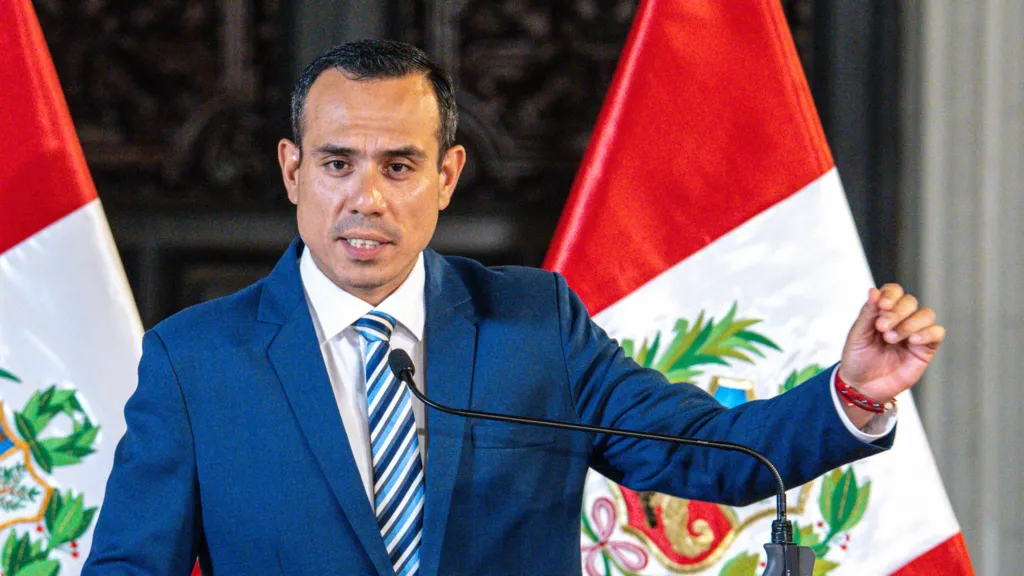
Peru’s political instability intensified on Tuesday as Congress voted to remove interim President José Jerí, less than four months after he assumed office. Lawmakers said Jerí failed to report meetings with Chinese businessmen, raising questions over transparency and potential conflicts of interest.
The controversy, referred to as “Chifa-gate,” erupted after videos surfaced showing Jerí meeting Zhihua Yang, a businessman under government scrutiny, outside the official presidential schedule. Jerí had apologized for the meetings but denied wrongdoing, blaming political rivals for a smear campaign.
Jerí’s removal, supported by a 75 to 24 vote in Congress, makes him the third consecutive Peruvian leader to be ousted in just over a year. He had succeeded Dina Boluarte, who was impeached in October last year, reflecting the country’s frequent leadership upheavals.
Security footage played a key role in the scandal. In one video, Jerí appeared wearing a hooded sweatshirt during a late-night visit to Yang’s restaurant. Another Chinese national, under house arrest for alleged involvement in illegal timber operations, was also present.
Yang’s companies had received state concessions for energy projects, heightening concerns about improper influence.
Peruvian law obliges presidents to document all official engagements. Jerí’s failure to report these meetings added fuel to calls for his removal. Ruth Luque, a lawmaker backing the impeachment, highlighted the need for integrity in leadership:
"We ask to end this agony so we can truly create the transition citizens are hoping for," she said. "Not a transition with hidden interests, influence-peddling, secret meetings and hooded figures. We don't want that sort of transition."
The scandal had already damaged Jerí’s public standing, with his approval ratings dropping sharply. The attorney general launched a corruption probe, and pressure grew for him to resign before Congress intervened. Lawmakers will now vote on a replacement interim president on Wednesday, as the country prepares for general elections in April.
Jerí’s brief presidency was also marred by public unrest. Within days of taking office, demonstrations led by young Peruvians demanding stronger action on corruption and crime left one person dead and more than 100 injured.
His predecessor Boluarte faced similar turmoil during her tenure, marked by protests, scandals, and rising violence, highlighting the challenges confronting Peru’s next leadership.
The country now awaits whether the incoming interim president can stabilize governance and guide Peru through the upcoming electoral transition.































Comments
Sign in with Google to comment, reply, and like comments.
Continue with Google