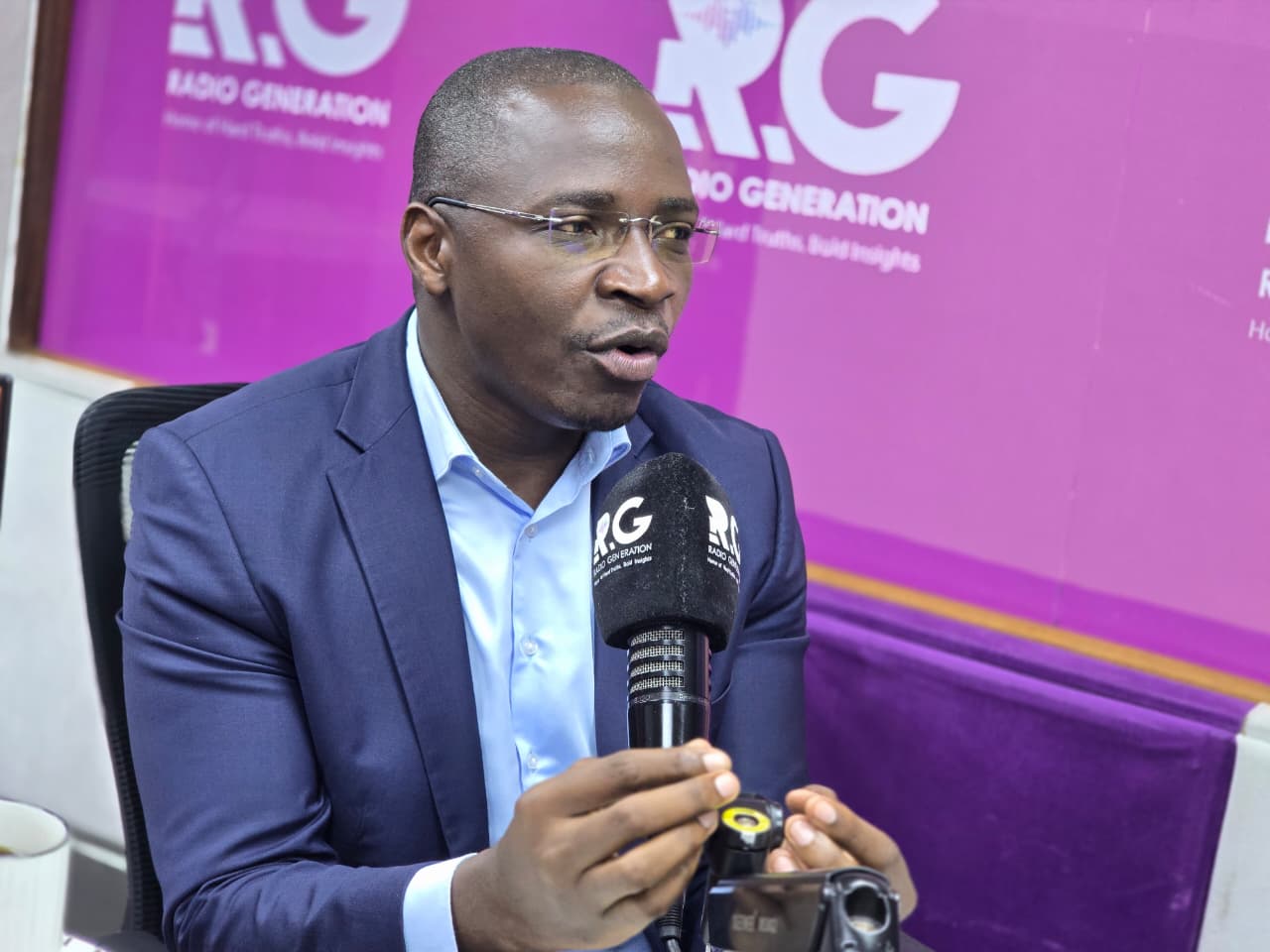
Kenya risks weakening professional standards if training capacity and exam integrity are not strengthened, warns Professor Kenneth Wayne Mutuma, Chairman of the Chartered Institute of Arbitrators (Kenya Branch).
He says overcrowded classrooms, rigid career paths, and an exam-focused approach are undermining the quality of legal practice, urging decentralised training, recognition of practical skills, and better coordination among institutions.
Speaking in a Radio Generation interview on Friday, Prof Mutuma said concerns around assessments, capacity, and integrity have grown, particularly following changes in how professional training is delivered. He noted, “People noticed that there was a difference between when we used to sit in person and when we didn’t,” adding, “there’s no smoke without fire,” despite the lack of formal data.
Overcrowding, he explained, is a broader problem in Kenya’s education system. “There are schools that have got up to 200 students in one class, one teacher,” he said, noting that such conditions make meaningful assessment and feedback nearly impossible. “You cannot actually be serving the interest of the education of these young Kenyans if that ratio is not manageable,” he added, warning that learners in crowded classrooms are forced to compete with peers in better-resourced environments.
Drawing on his own teaching experience, Prof Mutuma said even moderate class sizes demand intense effort. “With 40, you can actually manage it, but you’re going to be marking until midnight,” he explained, stressing that proper feedback is crucial for students to understand their performance.
He argued that the goal of training should go beyond exams to professional competence. “It’s not the idea of just passing people,” he said. “Because if you pass people, and then people who are going to build roads treat you in hospitals, then we have a problem.”
Prof Mutuma welcomed recent legal rulings that have opened training beyond a single institution, calling the move away from monopoly “the right way to go.” He suggested decentralising training could help ease capacity pressures and reduce unhealthy competition driven by scarcity. “I think you have to spread it so more people are coming to that,” he said, adding that training closer to communities could reduce the need for students to relocate to Nairobi.
He also challenged rigid entry pathways into the legal profession, noting that historically it was possible to advance through practical experience. “You could be a clerk, and there’s a process by which you could advance,” he said, citing respected advocates who rose through non-traditional routes. Prof Mutuma called for recognition of practical learning in modern legal training, warning against systems that lock individuals into outcomes determined by early exams. “You must provide mobility that recognises that you have gained pragmatic experience,” he said.
At the core of the debate, he said, is the question: “Are we looking for just exams that are passed, or are we looking for the ability to practice and deliver service?” He argued the focus should be on competence, not test performance alone.
Prof Mutuma also raised concerns about weak coordination in national planning, questioning whether institutional visions align with on-the-ground academic learning. He warned that growing individualism, especially in urban areas, has eroded collective responsibility for public systems. “In Nairobi, you can see it’s every man for himself,” he said, adding, “The very thing that is supposed to help build you is the one that you are helping erode.”
On assessments, he questioned whether high failure rates effectively communicate areas for improvement. “Is it communicated as such that when somebody understands they failed, or is it that you failed and there’s nothing that you’re going to do about it?” he asked. Prof Mutuma suggested that structured progression and resits, common in other professions, could improve legal training.
He concluded by calling for reforms that prioritise quality, fairness, and capacity, warning that without such changes, Kenya risks producing professionals who have passed exams but lack the skills needed to serve society effectively.































Comments
Sign in with Google to comment, reply, and like comments.
Continue with Google