The Kenya National Examination Council has sounded the alarm over a Sh3.7 billion budget shortfall that could disrupt the smooth administration of this year’s KCSE exams.
The national tests, which began on October 21 and are expected to conclude on November 21, have faced financial strain despite earlier allocations from the government.
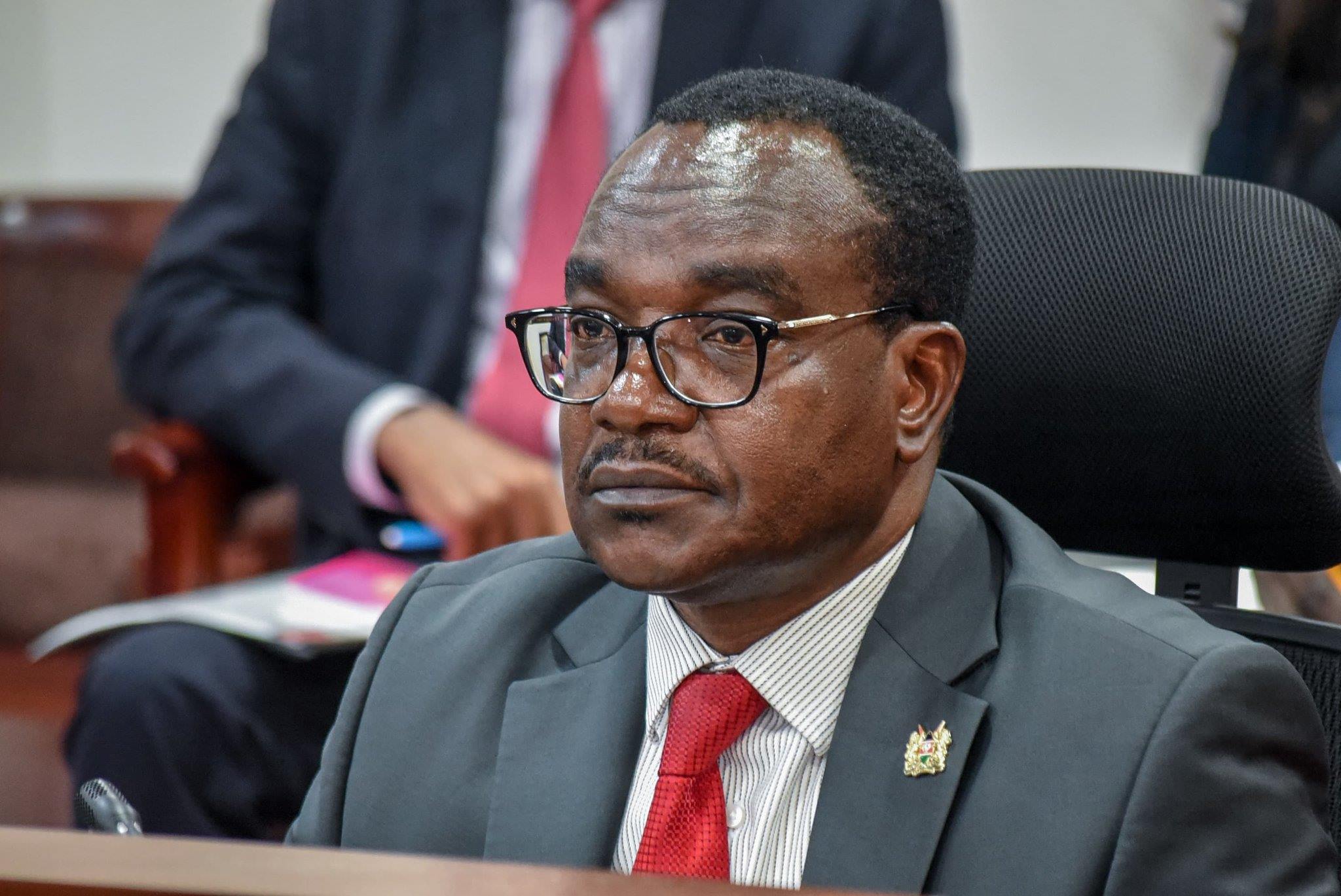
Education Cabinet Secretary Julius Ogamba told the National Assembly’s Education Committee that the ministry is seeking immediate disbursement of Sh3.72 billion to cover the deficit and clear pending bills.
Appearing before MPs, Ogamba said the council’s approved recurrent budget for the 2024/25 financial year allocated Sh5.9 billion for national assessments and examinations.
Out of this, Sh3 billion was designated for the KCSE exams, Sh2 billion for the Kenya Junior School Education Assessment (KJSEA), and Sh900 million for the Kenya Primary School Education Assessment (KPSEA).
However, the total requirement stood at Sh12.72 billion, creating a funding gap of Sh6.8 billion.
“This is against a total requirement of Sh12.72 billion, being Sh8.008 billion for KCSE, Sh3.56 billion for KJSEA, Sh1.062 billion for KPSEA and Sh87.3 million for SBA. The deficit was thus Sh6.8 billion,” Ogamba said.
He acknowledged that the National Treasury had committed to provide Sh3.1 billion through the first supplementary budget, bringing the deficit down to Sh3.723 billion.
“We have written to the National Treasury to seek an additional budget to address the foregoing deficit. We have also sought a disbursement to enable the council to adequately fund this year’s examination and assessment processes, clear outstanding pending bills,” he added.
The CS was accompanied by KNEC chief executive officer David Njengere during the meeting chaired by Tinderet MP Julius Melly. The committee also questioned the ministry on the status of school capitation, noting that several institutions lacked funds for essential materials such as laboratory apparatus.
It emerged that 29 schools had been excluded from this year’s capitation, a situation the ministry attributed to incomplete registration processes. “Some of these schools are in the process of being registered and thus were not in our data for capitation,” Ogamba said.
Melly directed the ministry to submit a full list of the affected schools and explain why they were not included in the disbursement. “I am directing that you provide us with the list of the 29 schools by end of tomorrow [Thursday]. We will then deliberate and give further directions,” he stated.
Ogamba further explained that the government had withheld capitation funds until verification exercises were concluded, following previous revelations that some non-existent schools and students were still benefiting from government funds.
He said the verification process, completed this month, found that 6,041 schools failed to meet the threshold for receiving capitation due to having fewer students, while 990 others did not submit required data for verification.
“For those schools we released 50 per cent of the allocation to ensure there is no school that is unable to operate during the ongoing exams, but we are coming for them to find out why they did not submit data,” Ogamba said.
He added that the schools that failed to provide the required data included 570 primary and 420 secondary institutions.































Comments
Sign in with Google to comment, reply, and like comments.
Continue with Google