New push for deal as MPs press end to lecturers’ university strike
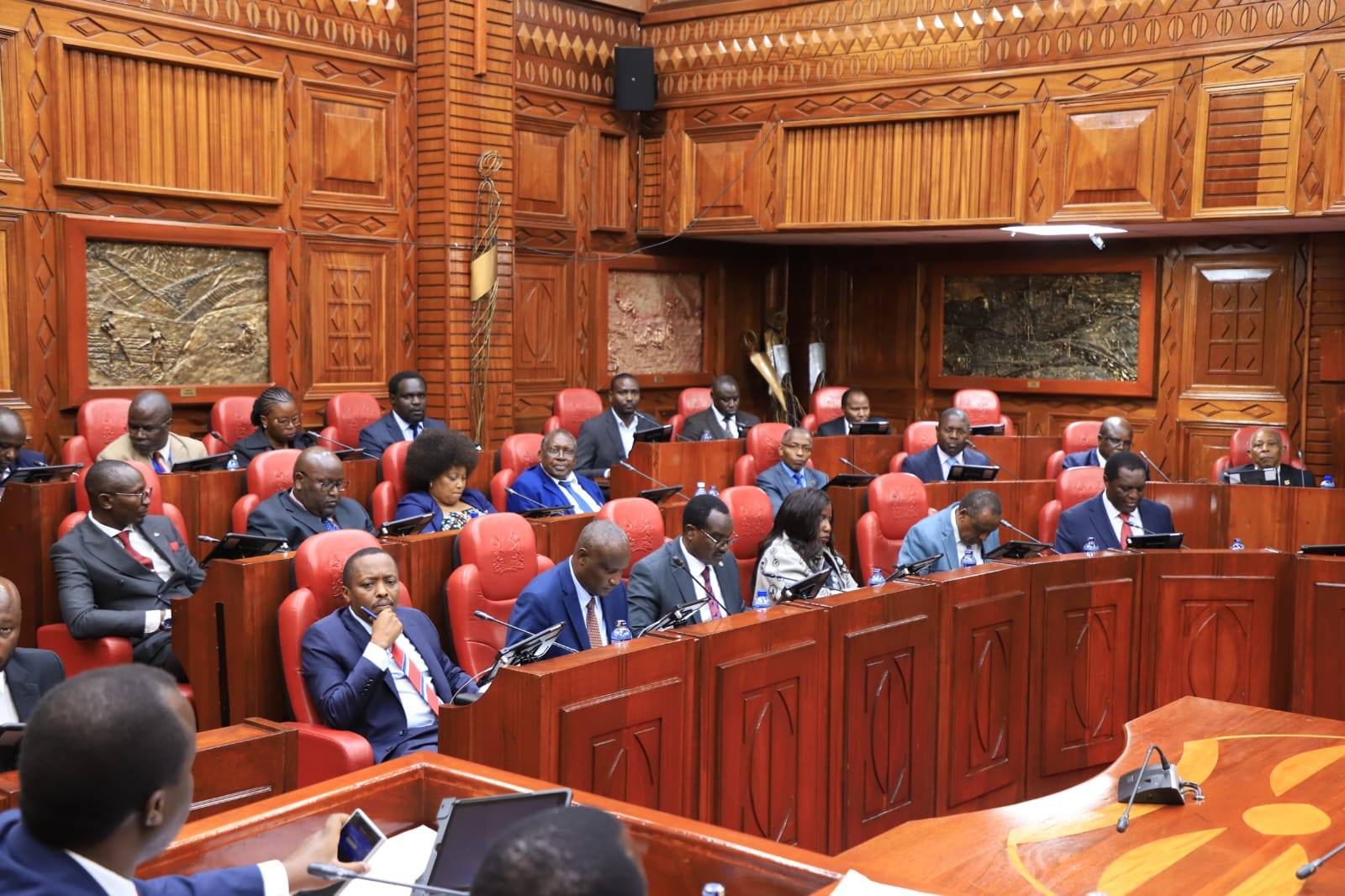
Members of the National Assembly’s Education Committee on Tuesday held a tense sitting with Treasury and Education officials, as well as representatives of university staff, in a push to revive stalled talks on the Sh7.9 billion collective bargaining agreement.
Public universities could soon see a breakthrough in the protracted lecturers’ strike after legislators pressed for urgent dialogue between the unions and the government, hoping to end a crisis that has dragged on for close to two months.
Members of the National Assembly’s Education Committee on Tuesday held a tense sitting with Treasury and Education officials, as well as representatives of university staff, in a push to revive stalled talks on the Sh7.9 billion collective bargaining agreement.
During the meeting, Treasury Cabinet Secretary John Mbadi explained that the state had identified funds to meet the pay increase but wanted to release the money in two lots due to budget limits.
He told lawmakers that the first disbursement would be made this financial year, while the remaining Sh3.85 billion would be paid in the 2025/2026 budget cycle.
“We have since consulted as government and offered to pay in two installments,” Mbadi said.
The proposal, however, ran into resistance from union leaders who insist the original deal signed in 2021 did not mention splitting payments. Universities Academic Staff Union secretary general Constantine Wesonga said the membership had already waited long enough and reaffirmed their push for full settlement at once.
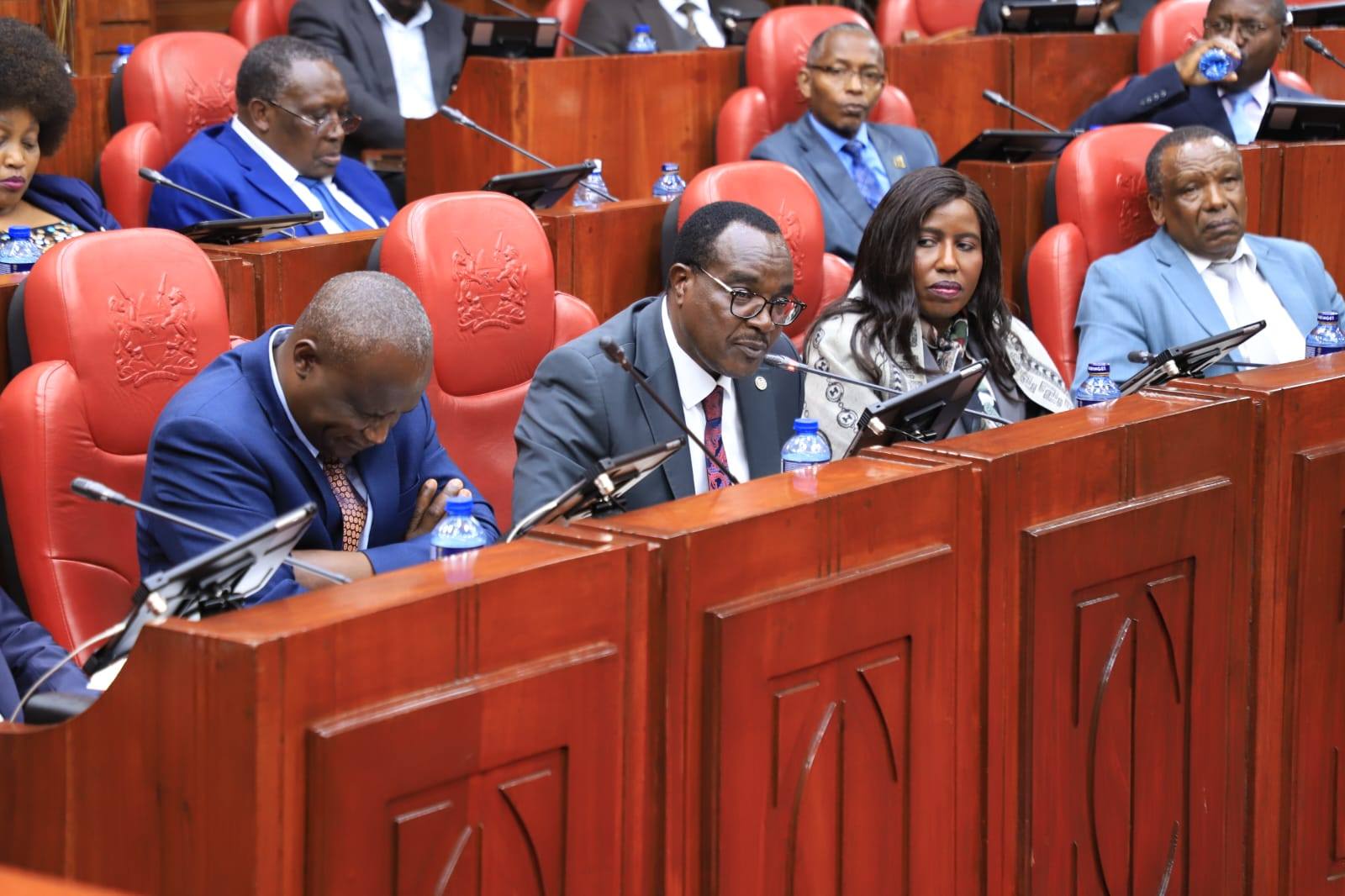 Treasury CS john Mbadi and Education Cabinet Secretary Julius Ogamba appearing before the National Assembly’s Education Committee at Bunge Towers, Nairobi on November 4, 2025.PHOTO/NATIONAL ASSEMBLY
Committee chairperson Julius Melly warned that the continued disruption in public universities was untenable and asked both sides to put students first. He told the officials present that lawmakers expected the pending balance to appear clearly in the next budget.
“We need to have a point of convergence. As a committee, we promise that the first money we want to see is the Sh3.85 billion in the next financial year budget,” Melly said.
After back-and-forth discussion, union officials hinted at a possible shift, saying they would take the committee’s appeal to their members for reconsideration of the staggered approach.
“For the sake of the children and students of this country, we are going to convene the various organs of the unions to consider,” Wesonga said.
“Because of how you— Chairman—and committee have talked to us, I am going to plead with our members to consider.”
Lawmakers also spent part of the session questioning the Salaries and Remuneration Commission over what they described as confusing guidance that delayed the deal and ignited the strike.
They said the commission advised the Education Ministry that only Sh960 million was outstanding, suggesting the rest had already been paid, a position the Labour Court later dismissed after the union challenged it.
Melly accused the pay body of creating unnecessary strain in the higher education sector and said the committee would require a full explanation.
“This commission has caused unnecessary tension and confusion in the universities. That is why we want to bring them here to explain why they wanted to undermine the government,” he said.
Parliament urged the officials and unions to conclude their consultations quickly to avoid further damage to academic programmes, which universities warn could fall behind if the standoff persists.

Comments
Sign in with Google to comment, reply, and like comments.
Continue with Google