TSC draft law seeks power to deregister teachers for misconduct
The Bill would give the commission authority to discipline teachers who charge unauthorised fees, organise holiday tuition without approval, or withhold certificates from learners who sit for national examinations.
The Teachers Service Commission is pushing for a legal framework that would allow it to take stronger action against teachers involved in misconduct, including removing them from the teaching register.
The draft Teachers Service Commission (Amendment) Bill, 2025, targets offences ranging from sexual abuse of learners to professional negligence, aiming to protect learners and improve accountability in schools.
The Bill would give the commission authority to discipline teachers who charge unauthorised fees, organise holiday tuition without approval, or withhold certificates from learners who sit for national examinations.
It also introduces new offences such as sexual exploitation and expands the definition of serious misconduct to include acts that “grossly offend public policy and interest.”
Under the proposed law, misconduct is divided into three categories: immoral behaviour with learners, professional misconduct, and infamous conduct. Immoral behaviour includes sexual harassment, flirtation, love relationships, showing pornography, giving gifts to influence learners into immoral acts, and assisting in such activities.
Professional misconduct covers neglect of duty, repeated lateness or absence, desertion, incitement, refusal to follow instructions, and poor job performance. Infamous conduct includes drunkenness, fighting, vulgar or abusive language, cyberbullying, falsifying records, mismanagement, misappropriation, and embezzlement of public funds.
The Bill also lists exposing learners to drugs or supplying them with psychotropic substances and working in other paid employment while employed by the TSC as offences.
Teachers found guilty would face suspension or deregistration, with appeals first handled by an internal review committee before matters proceed to court.
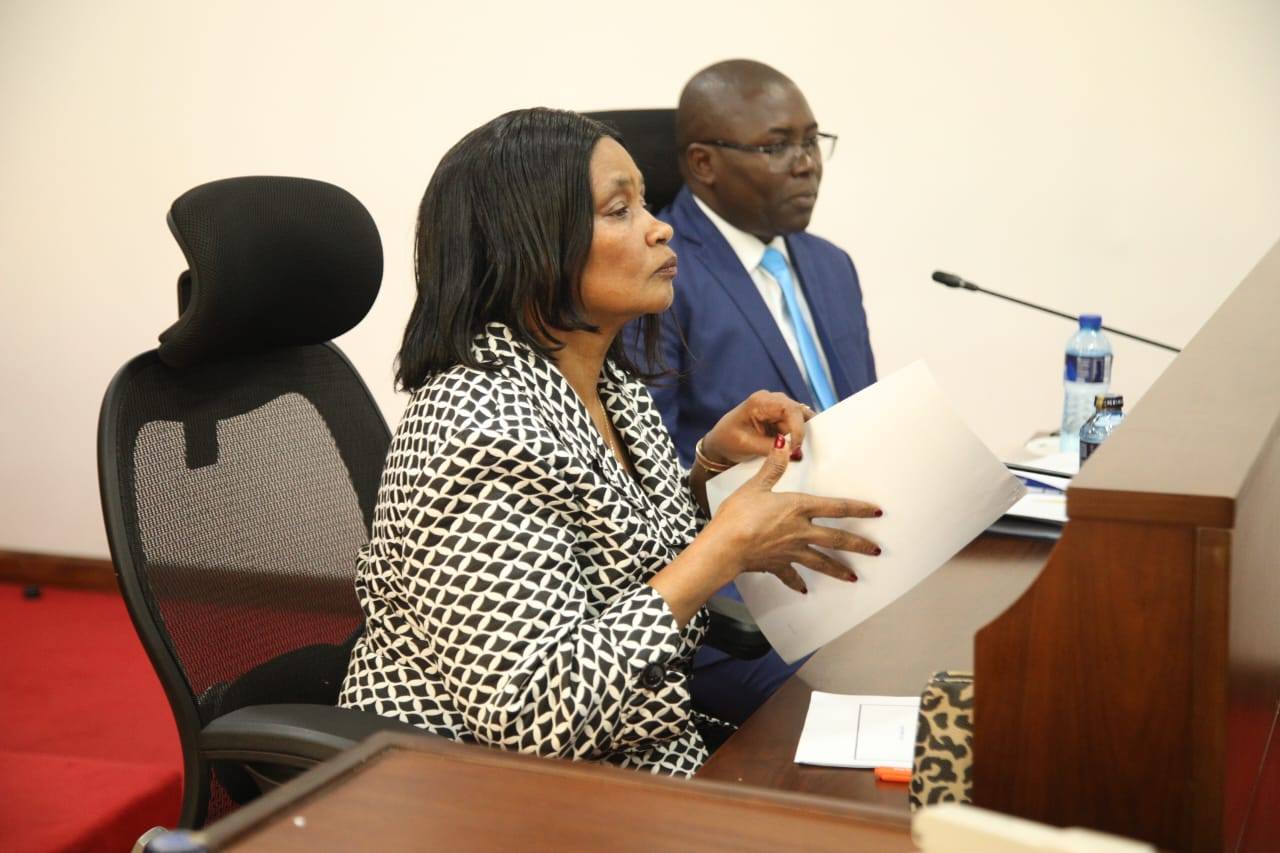
Although the draft was not included among the seven Bills approved by Cabinet on February 10, 2026, TSC commissioners recently presented the proposals to the National Assembly Education Committee, chaired by Tinderet MP Julius Melly.
The Bill defines sexual exploitation as “sexual abuse of a learner through exchange of sex or sexual acts for academic grades, pocket money, school fees, learning materials, protection from school punishment, illicit drugs, gifts, food, shelter or other essentials; or involving learners in creating, accessing, or distributing pornographic and sexually explicit materials.”
It also defines serious offences as “offences that attract capital punishment under the law, or other acts or omissions which grossly offend public interest, making the concerned teacher unsuitable to continue serving in the teaching service.”
Since its first public presentation in 2024, the draft has undergone several revisions. The TSC held consultations with the Ministry of Education to resolve overlapping issues in their respective Bills, with Deputy President Kithure Kindiki mediating discussions.
In May last year, senior officials from both institutions—led by Cabinet Secretary Julius Ogamba for the MoE and TSC Chairperson Jamleck Muturi—signed a framework agreement at the Deputy President’s official residence in Karen. This cleared the way for the TSC, as a constitutional independent commission, to pursue its amendment Bill independently.
The draft also proposes redefining institutional administrators to include school heads, deputy principals, registrars, deans, and senior teachers. If enacted, the TSC would be able to decentralise services through zonal offices, set up new directorates, and establish an Institute of Teacher Support and Professional Development to supervise continuous training.
The amendments aim to reinforce accountability, prevent abuse, and strengthen professional standards across Kenya’s teaching service.



Comments
Sign in with Google to comment, reply, and like comments.
Continue with Google