Kenya has taken a new step in reshaping its mining sector with the rollout of the country’s first post-mining land use and closure advisory report, a document expected to guide how mining areas are restored and developed after extraction ends.
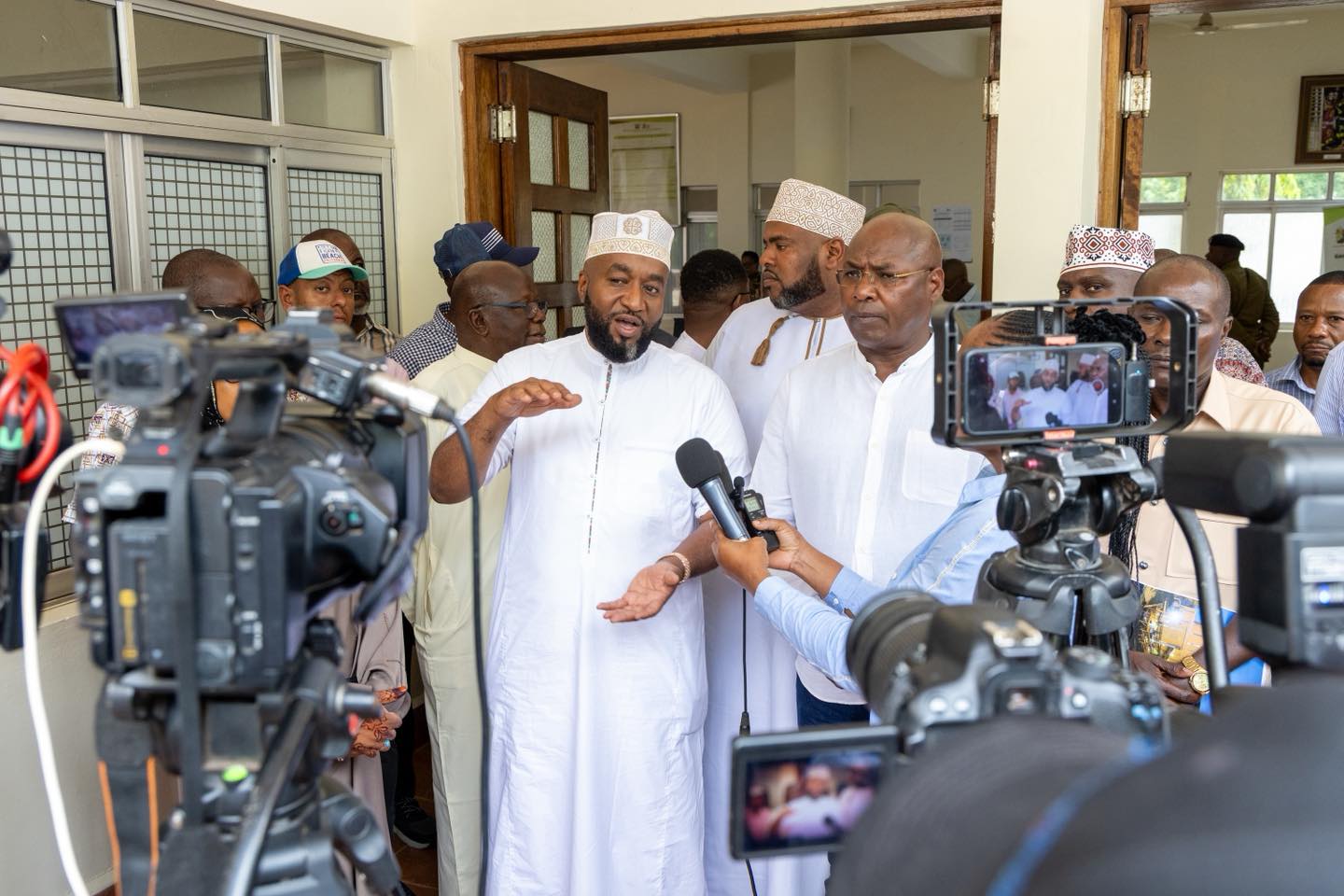
The advisory report was launched in Kwale County by the Cabinet Secretary for Mining, Blue Economy and Maritime Affairs, Hassan Joho, in an event attended by the Principal Secretary for Mining, Harry Kimtai, leaders from Kwale, and industry representatives.
Joho said the report had gone through an open and thorough process and now provides a clear national guide for mine closure and land use after mining.
“The report is the product of rigorous debate, expert insight, and sound science.” He added, “It provides a clear and practical roadmap to guide the sustainable use of land once mining activities come to an end. I commend the PMLU Committee for its dedication and invaluable contribution to the successful development of this report.’’ Joho said.
He noted that lessons from Kwale would help shape similar projects in other mining regions, as the government pushes for responsible use of mineral resources while protecting communities and the environment.
“My assurance to the Kwale leadership is that the ministry is committed to transparency and accountability throughout the project's development process. Mrima Hill will be the first mining project in Kenya to be subjected to an open and competitive tendering process, setting a new benchmark for accountability in the sector.’’ Joho affirmed.
Principal Secretary Harry Kimtai said the advisory report marked a major achievement built on wide public participation and scientific work, noting that it reflects shared views from communities, experts, government agencies, and mining firms.
“This document is not influenced by any single interest. It is the result of deep consultations, robust debate, and consensus-building. That is why we are confident it will stand the test of time and guide the sector effectively,” Kimtai said.
He added that strong leadership and cooperation within the ministry ensured the process stayed on course, stressing that the government was focused on both completion and full implementation of the report.
Kwale Senator Raphael Chimaera praised the government’s move, saying it offered fresh hope for residents and signaled a shift toward fairer benefits for local communities.
He stated, “Kwale County is one of the richest counties in Kenya.” But just like DRC, our people are still languishing in poverty.’’ He added, “On the proposed mining at Mrima Hills, we made it clear to CS in charge of Mining, Ali Hassan Joho that further consultations with stakeholders should be done for the benefit of the great people of Kwale.”
Base Titanium External Affairs General Manager Melba Osuna said the process of developing the advisory report stood out for its high level of engagement, describing it as a positive journey shaped by detailed discussions.
“Come and see the rehabilitation works being undertaken. They demonstrate that post-mining land can be restored and put to productive use,” Osuna said.
Kimtai also addressed the issue of mining royalties, saying the current sharing formula allocates 70 percent to the national government, 20 percent to county governments, and 10 percent to host communities.
“Going forward, once royalties are collected and thresholds met, disbursements will be made without delay and will be subject to audit by the Office of the Auditor General,” the PS said.
Kwale County was highlighted as the first to benefit from the new advisory framework, cementing its role as a leading example in responsible mining and post-mining land management.






























