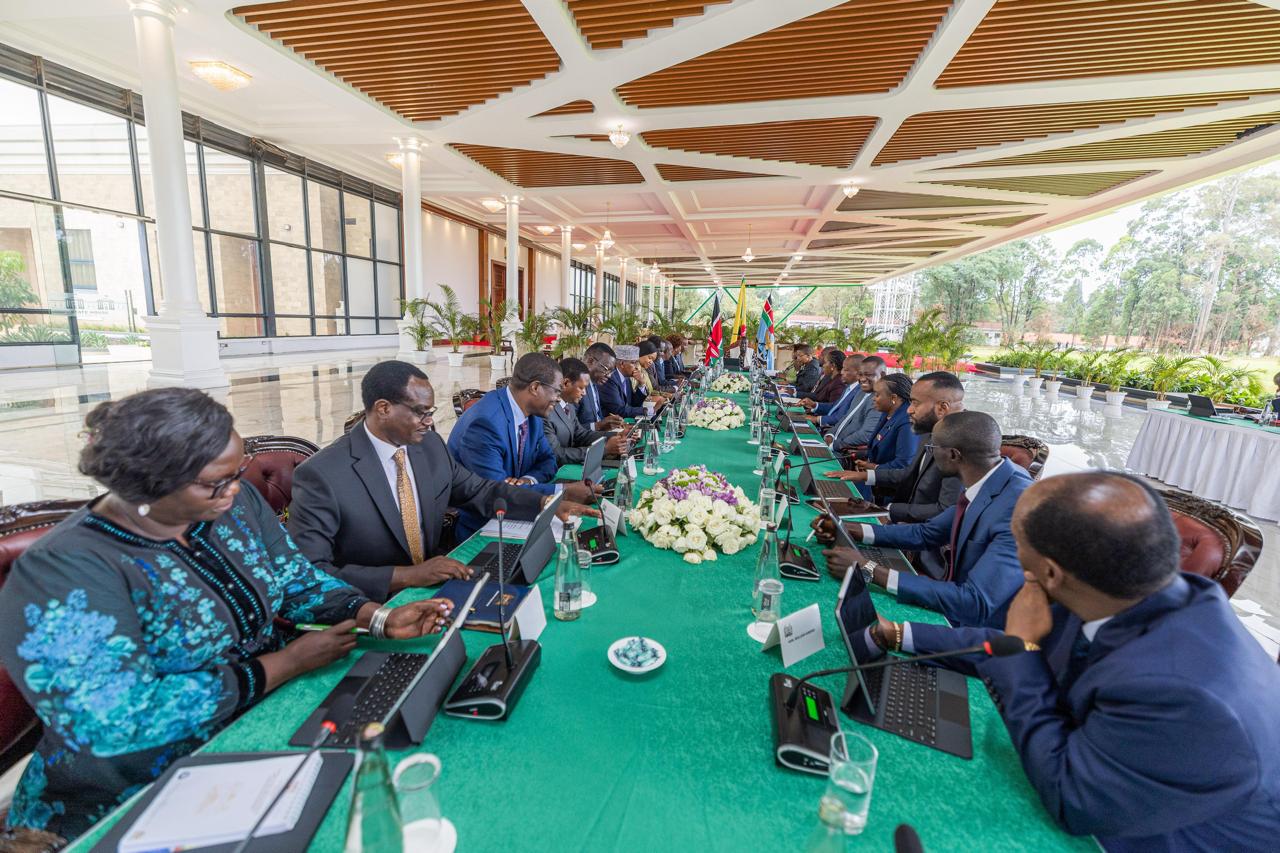
Fresh Treasury figures show that government ministries and agencies spent Sh86.4 billion more on recurrent activities in the first quarter of the 2025/26 financial year, defying President William Ruto’s promises to reduce unnecessary expenditure.
The data point to growing difficulty in enforcing fiscal discipline across public offices, even as the administration continues to champion austerity.
Between July and September 2025, recurrent expenses by ministries, departments, and agencies hit Sh366.5 billion, up from Sh280.09 billion in the same period of 2024.
The 30.9 per cent jump reflects increased costs in wages, administration, operations, and office maintenance — despite the government’s pledge to rein in such spending.
The surge comes just a year after the President promised to cut non-essential expenses following the June 2024 protests that forced the withdrawal of controversial tax measures.
The government had committed to reducing outlays on items such as travel, advertising, hospitality, training, and office refurbishments as part of its cost-saving plan.
“We cannot live beyond our means,” the President said in his June 2025 budget statement, assuring Kenyans that the government would prioritise development over recurrent expenditure. But the latest spending trends paint a different picture.
The Teachers Service Commission led in recurrent consumption, drawing Sh88.5 billion compared to Sh81.88 billion last year. The National Police Service followed, with its expenditure rising 12.5 per cent to Sh30.6 billion, while the State Department for Defence posted a 17.9 per cent increase to Sh42.8 billion due to higher logistical expenses linked to regional operations.
The expenditure rise coincided with slower revenue collection. Treasury data show that tax receipts reached Sh553.7 billion in the first three months of the fiscal year, against an annual goal of Sh2.6 trillion.
The underperformance is attributed to reduced imports and weak corporate earnings that continue to drag down revenue growth.
Treasury Cabinet Secretary John Mbadi had earlier informed Parliament in May that recurrent spending would be cut to Sh1.72 trillion from Sh1.73 trillion in the previous financial year. However, Parliament later passed a Sh1.47 trillion plan for recurrent expenditure in the 2025/26 budget.
The widening gap between revenue and expenditure could force the Treasury to borrow more, undermining efforts to contain the budget deficit at 4.7 per cent of gross domestic product (GDP).
The figures suggest that despite his commitment to tightening fiscal controls when he took office in 2022, President Ruto’s administration continues to struggle to contain the rising cost of government operations.




























Comments
Sign in with Google to comment, reply, and like comments.
Continue with Google