
County chiefs have hit a brick wall in their bid to secure loans directly from financial markets without routing the process through the National Treasury, after senators flatly declined their request and warned of the risks involved.
The Senate pushed back against the proposal by governors to borrow on their own, cautioning that such a move could open the door to unchecked debt and weaken financial discipline at the county level.
Lawmakers pointed to mounting pending bills of more than Sh150 billion across counties and existing overdrafts with commercial banks running into millions of shillings as clear warning signs.
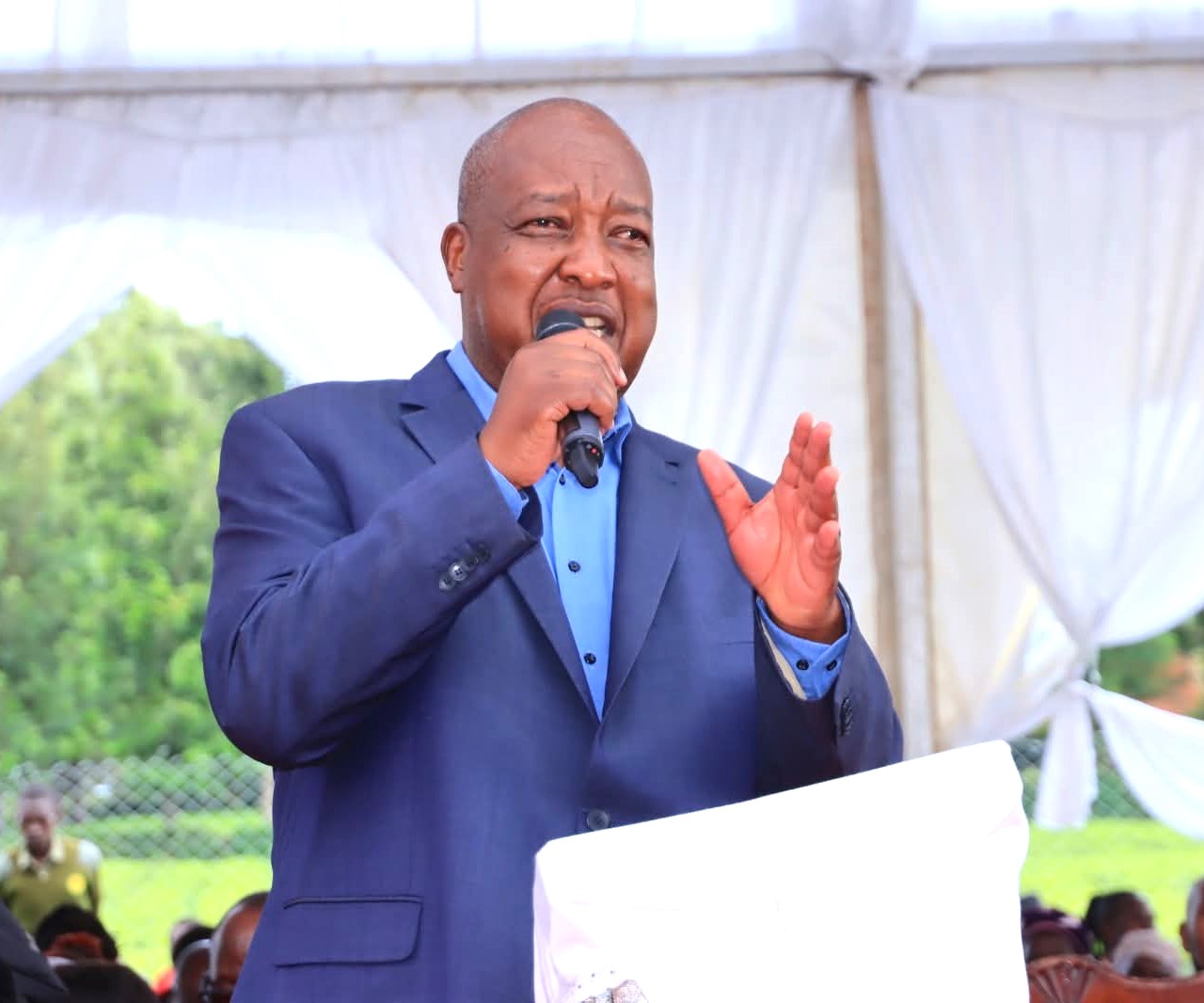
Last week, Council of Governors Vice Chairman Muthomi Njuki and CoG Finance Committee Chairman Fernandes Barasa appeared before the Senate Finance and Budget Committee to press for changes that would allow counties to access credit independently. They argued that the current framework limits county governments and slows down development.
“The council proposes the Senate initiates establishment of a threshold for county governments’ borrowing entitlements pursuant to Section 50(5) of the Public Finance Management (PFM) Act,” Njuki and Barasa told the committee.
At present, counties cannot obtain loans directly unless the National Treasury guarantees the borrowing. The Public Finance Management Act requires the national government to oversee and guarantee borrowing for state bodies, including counties, to safeguard public finances.
Section 50(1) directs the government to meet its financing needs at the lowest cost possible while keeping public debt at sustainable levels. Section 50(5) gives Parliament the authority to set borrowing limits for both national and county governments.
Barasa maintained that counties deserve more room to operate, provided there are firm controls in place.
“The CoG proposes that the Senate invokes section 50(2c) of the PFM Act to explain measures being taken to ensure thresholds are met and that high debt stress risks are managed within the medium term,” he said.
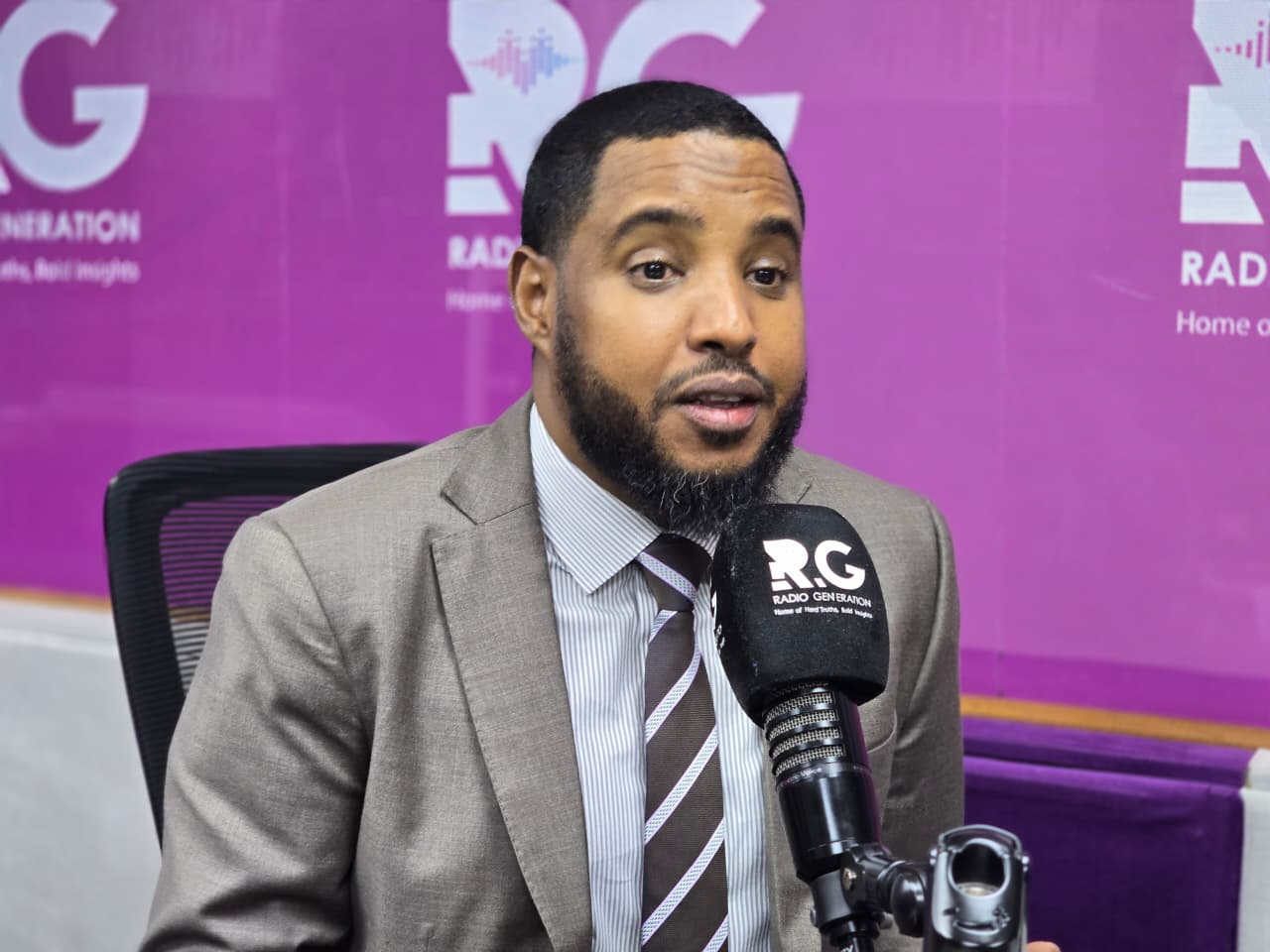
However, the committee, chaired by Mandera Senator Ali Roba, quickly dismissed the proposal. Members warned that allowing counties to enter financial markets on their own could trigger widespread mismanagement.
“Very few governors have the instruments or ability to borrow responsibly in international markets,” Migori Senator Eddy Oketch said.
“Opening this window could be disastrous,” he said.
Roba raised concerns about what he described as gaps in county financial management. “We have cases where successive governors abandon projects or reject pending bills left by their predecessors,” he said.
“What happens if we allow counties to borrow directly? Debts may be abandoned, creating messy and costly outcomes. It would be a ticking time bomb,” he warned.
Despite the firm opposition, Njuki urged senators to reconsider, saying counties would honour any financial commitments they take on.
“If we borrowed, it would be our responsibility to pay. We would work overtime to meet the obligations,” he said, urging lawmakers not to discriminate against counties.
Currently, many counties depend on overdrafts from commercial banks to sustain urgent operations such as paying salaries when there are delays in exchequer disbursements. Njuki argued that direct access to credit would help counties plan better and roll out development projects without constant intervention from the Treasury.
Even so, senators stood their ground, insisting that easing borrowing rules without strong capacity and strict discipline could push counties into unsustainable debt, stall projects, and place long-term pressure on the national economy.




























Comments
Sign in with Google to comment, reply, and like comments.
Continue with Google