Kenya urged to set own BMI standards to combat health risks
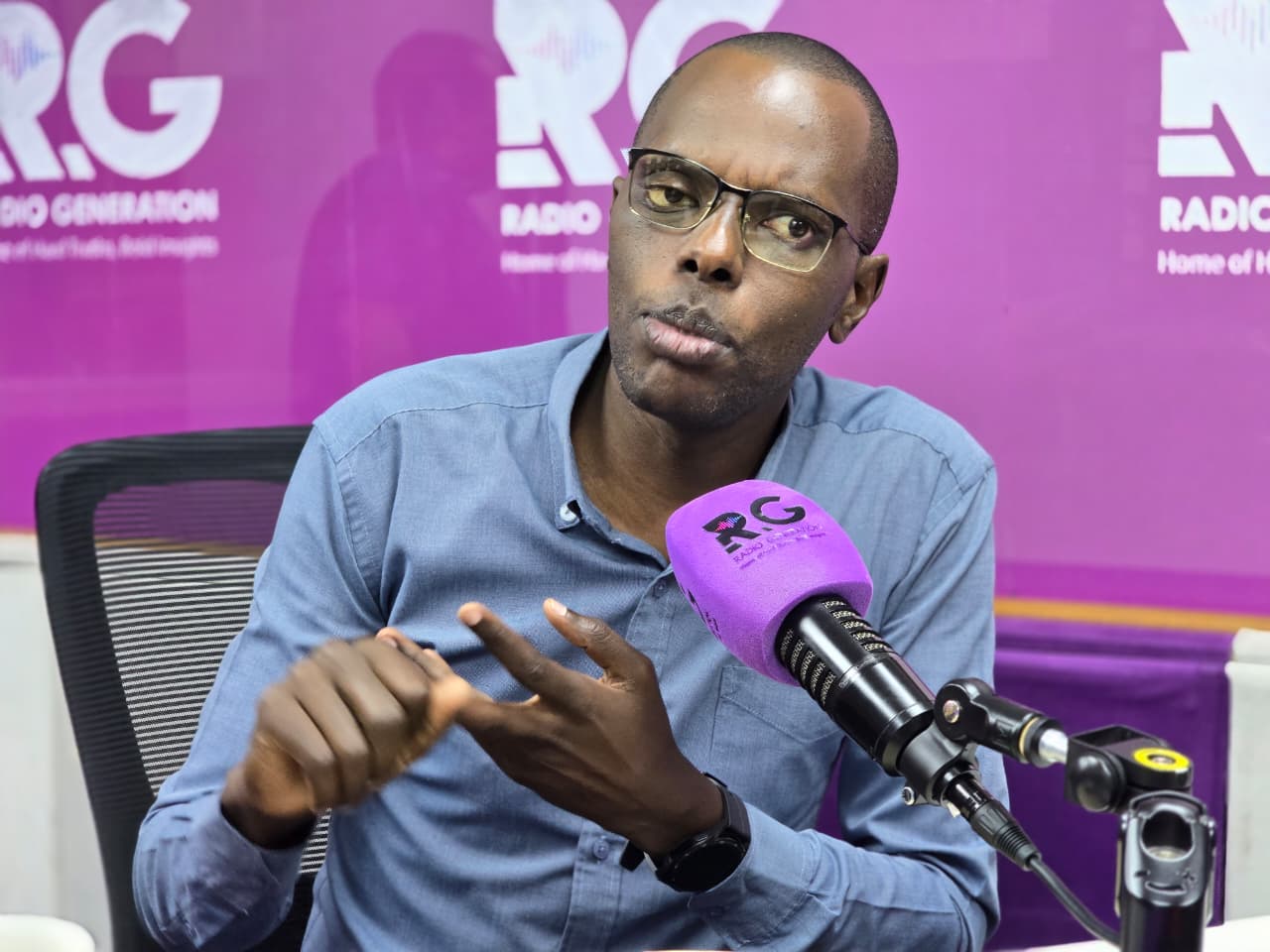
Dr. Daniel Katambo, consultant physician and CEO of Afyacode and Klinic Reversa, said during an interview on Radio Generation that relying on international benchmarks could lead to misdiagnosis and poor public health policies.
Kenya needs to carry out its own research on body mass index (BMI) and non-communicable diseases, a leading physician has said, warning that current health standards are based on Western data and may not reflect the realities of local communities.
Dr. Daniel Katambo, consultant physician and CEO of Afyacode and Klinic Reversa, said during an interview on Radio Generation that relying on international benchmarks could lead to misdiagnosis and poor public health policies.
“Because of lack of studies, we do not really know in Kenya whether we have those communities,” he said on Friday.
“There is no one who has come out and studied, but out there, there are communities that have been studied vividly, and we know them.”
Dr. Katambo explained that some countries, especially in Asia, have already created their own BMI standards tailored to their populations.
“You can go into some Asian communities, some ethnicities, some tribes that have been studied vividly, and we know them,” he said. “In fact, they have even lowered their numbers in terms of when to suspect diabetes.”
He highlighted how Chinese populations, for instance, are considered overweight or obese at lower BMI levels than Western thresholds.
“They tend to have a lower definition,” Dr. Katambo said. “For example, if we say a BMI of 18 to 25 is normal, for a Chinese person, if you are more than 23.5 or 24, then you are overweight. And when you get to 28 instead of 30, then you are obese.”
This adjustment is based on research showing that certain populations face higher health risks at lower weight levels, a lesson Dr. Katambo says Kenya could apply if local studies were conducted.
“They have studied that population and have a definition for their form of when we can say this community has a disease,” he said. “But we never tailor that here. So we are studied with, among others, the Western world.”
Acknowledging that Kenya currently has no local BMI benchmarks, Dr. Katambo stressed that the country simply relies on global standards.
“There is no one who has come here and really done a simple study on all of us and said, maybe this BMI thing does not correlate with the African or who we are,” he said. “We just have to depend on what is out there.”
He added that research rooted in Kenyan populations could help better understand how genetics, diet, and lifestyle affect diseases such as diabetes and hypertension.
“Some communities are known to be more predisposed to non-communicable diseases, and their genetic predisposition has been isolated and studied,” he said. “We need to do the same here.”
Dr. Katambo urged government agencies and health researchers to prioritize studies led in Kenya, emphasizing that such efforts could improve diagnosis, prevention, and overall health outcomes.




Comments
Sign in with Google to comment, reply, and like comments.
Continue with Google