Health union calls for urgent regulation of Community Health Promoters
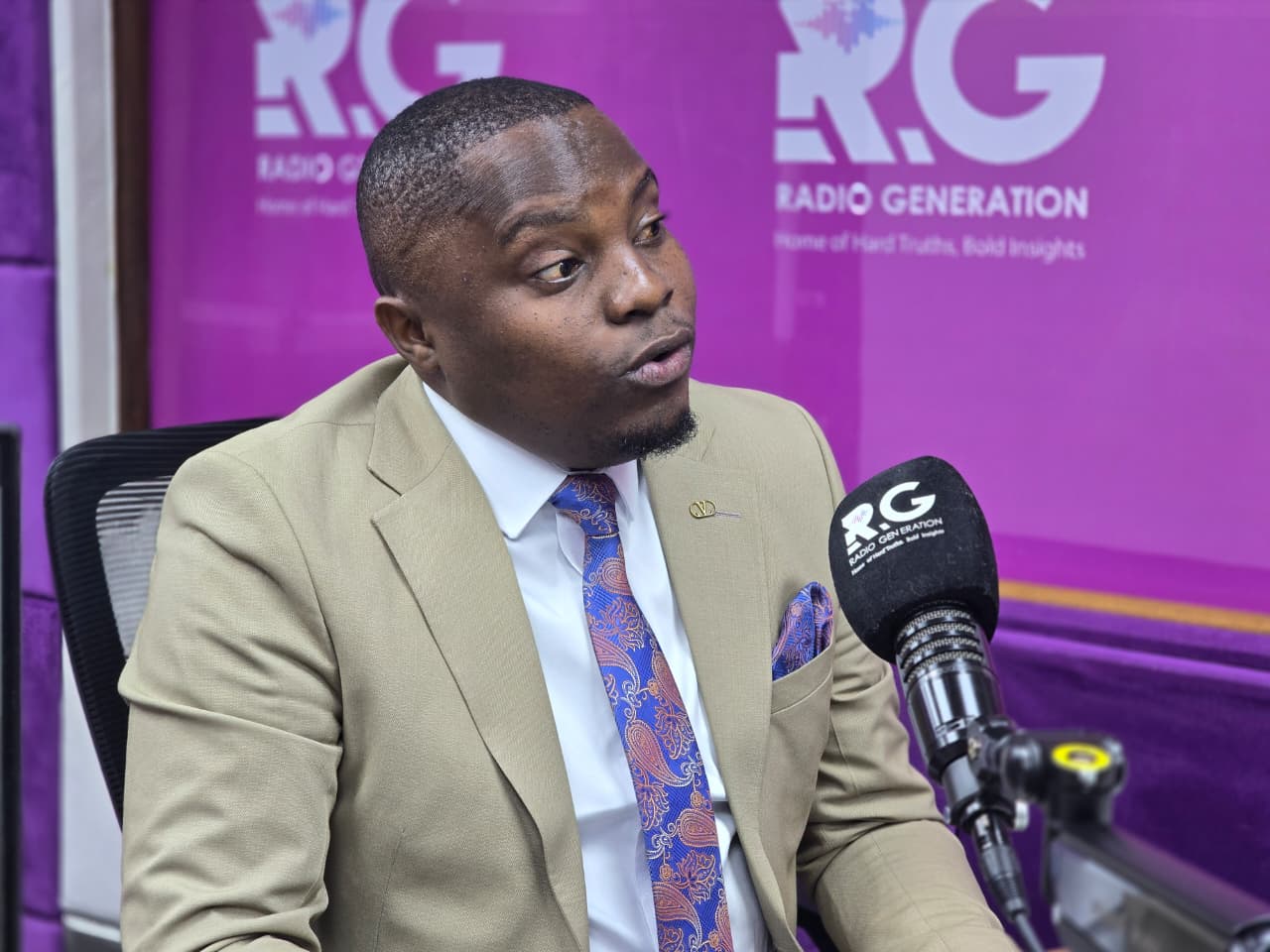
Olaly said the union is seeking engagement with the Ministry of Health to establish a clear training curriculum and regulatory framework for Community Health Promoters.
Kenya’s health system faces growing risks unless urgent steps are taken to regulate Community Health Promoters and other preventive health workers, according to the leadership of the Kenya Environmental Health and Public Health Practitioners Union.
Speaking during a Radio Generation interview on Thursday, the Secretary General and Chief Executive Officer of KEH&PHPU, Brown Ashira Olaly, warned that weak regulation has left the preventive health space disjointed, exposing the public to unqualified service providers and placing more strain on an already stretched healthcare system.
Olaly said the union is seeking engagement with the Ministry of Health to establish a clear training curriculum and regulatory framework for Community Health Promoters. He argued that while clinical healthcare is well regulated, preventive health has been neglected.
“Every cadre in the health sector and every healthcare provider in this country needs to be regulated,” he said. “We need to know who is providing health.”
He cautioned that the absence of firm oversight has created room for impostors operating freely in communities.
“We have had a lot of quacks, people masquerading and going around saying we are healthcare providers,” he said, adding that the issue is serious and poses a major risk to the public.
According to Olaly, the union has already submitted proposals to the Cabinet Secretary and the Principal Secretary for Health, calling for changes to the Public Health Officers and Technicians Act. The proposals seek formal recognition and regulation of health promotion practitioners, community health workers and population health specialists.
“This country regulates doctors, medical officers. It regulates pharmacists,” he said. “But if you look at the preventive space, we have fragmentation of people who are not regulated.”
He said preventive health workers should be brought under a unified system to ensure accountability and standards.
“We have it regulating public health officers. We have it regulating community health officers. We have it regulating the CHPs,” he said. “We cannot have people moving around without regulation.”
Olaly linked the rise of community-based health work to lessons learned during the HIV epidemic, saying the crisis exposed weaknesses in how healthcare was delivered.
“When HIV popped its head, we weren’t prepared,” he said. “It’s just like Covid. We didn’t know what to do with it.”
He explained that the HIV response relied more on behaviour change and community outreach than hospital-based treatment.
“HIV was more social than it was medical,” he said, noting that this reality led to the development of new health cadres and the idea of task shifting.
“We understood that when people were unwell, they came to a clinic, but it then became clear that you perhaps need to go to them,” he said. He added that poverty often delays care-seeking. “They’ll feed their children. They’ll wait until they’re almost dead to come to hospital.”
While task shifting helped ease pressure on trained clinicians, Olaly said it also raised concerns around skills and standards.
“It is a basic healthcare service that does not require intense training,” he said, “but at least training is required.”
He described human resources as the biggest challenge facing Kenya’s health system.
“We have inadequate staff,” he said, questioning whether highly trained professionals should be assigned duties that could be handled by others with proper training.
Olaly attributed frequent strikes and service interruptions to years of limited investment in health workers. He recalled engaging the President during the last election campaign, when unions proposed hiring 20,000 healthcare workers across various cadres.
“We actually agreed in principle that we want to employ around 20,000 healthcare providers,” he said. “That promise has been negated.”
He criticized the focus on buildings and equipment at the expense of staffing.
“You can build hospitals and buy equipment,” he said, “but when you don’t have the healthcare workforce, it becomes useless.”
Olaly also warned of a looming leadership gap at the Ministry of Health, saying many senior public health officers are close to retirement.
“By 2028, we might not have enough public health officers at headquarters,” he said.
He claimed that no public health officers have been hired by the ministry since 2011.
“I have raw data,” he said. “The ministry needs to come out and disprove me wrong.”
Failure to address these gaps, he argued, undermines constitutional rights.
“Public health is a preventive service recognised by the constitution,” he said. “When you’re not employing, you are denying the population what they are supposed to have.”
Olaly said the union prefers dialogue and engagement with the government but warned that lack of follow-through fuels unrest.
“We believe in negotiations,” he said, “but when we agree and don’t implement, that’s when strikes happen.”



Comments
Sign in with Google to comment, reply, and like comments.
Continue with Google