Church and Muslim leaders have rejected a government proposal to introduce new laws aimed at regulating religious organisations in Kenya, warning that the move threatens the country’s constitutional freedom of worship.
The Deliverance Church International and the Supreme Council of Kenya Muslims (Supkem) have opposed the Draft Religious Organisations Policy, 2024 and the accompanying Bill, currently being developed by the Office of the Prime Cabinet Secretary.
The proposals are based on recommendations by the Taskforce on the Review of the Legal and Regulatory Framework Governing Religious Organisations, chaired by Rev. (Rtd) Mutava Musyimi.
In a strongly worded letter signed by Bishop Dr Geoffrey Njuguna on behalf of the Deliverance Church Executive Council, the church accused the government of attempting to interfere with constitutionally guaranteed religious freedoms.
“It infringes on the constitutional right to freedom of religion and the principle that Kenya shall have no State religion,” the letter reads.
“The involvement of four government officials as commissioners in a nine-member Religious Affairs Commission undermines the idea of self-regulation. Churches already operate under their constitutions with clear policy guidelines.”
The letter was a response to a public notice by the State Department for Parliamentary Affairs inviting public feedback on the proposed policy.
The draft seeks to create a Religious Affairs Commission to oversee faith-based institutions and an umbrella body to coordinate self-regulation among them.
However, the Deliverance Church warned that the proposal gives the government undue control over religious affairs despite over 80 per cent of Kenyans identifying as Christians.
It also criticised the policy for being rushed and lacking proper consultation with faith stakeholders.
“To what extent will the new Bill stop Kenyans from joining dangerous cults like Shakahola?” the letter questioned.
“Since the perpetrator of the Shakahola deaths was arrested and charged under existing laws, is there truly a need for another law? Wasn’t Shakahola the result of failure to enforce current legislation rather than a legal gap?”
The 2023 Shakahola massacre, which left more than 400 people dead after being starved by cult leader Paul Mackenzie, prompted the government to form the Musyimi-led taskforce to review regulation of religious institutions.
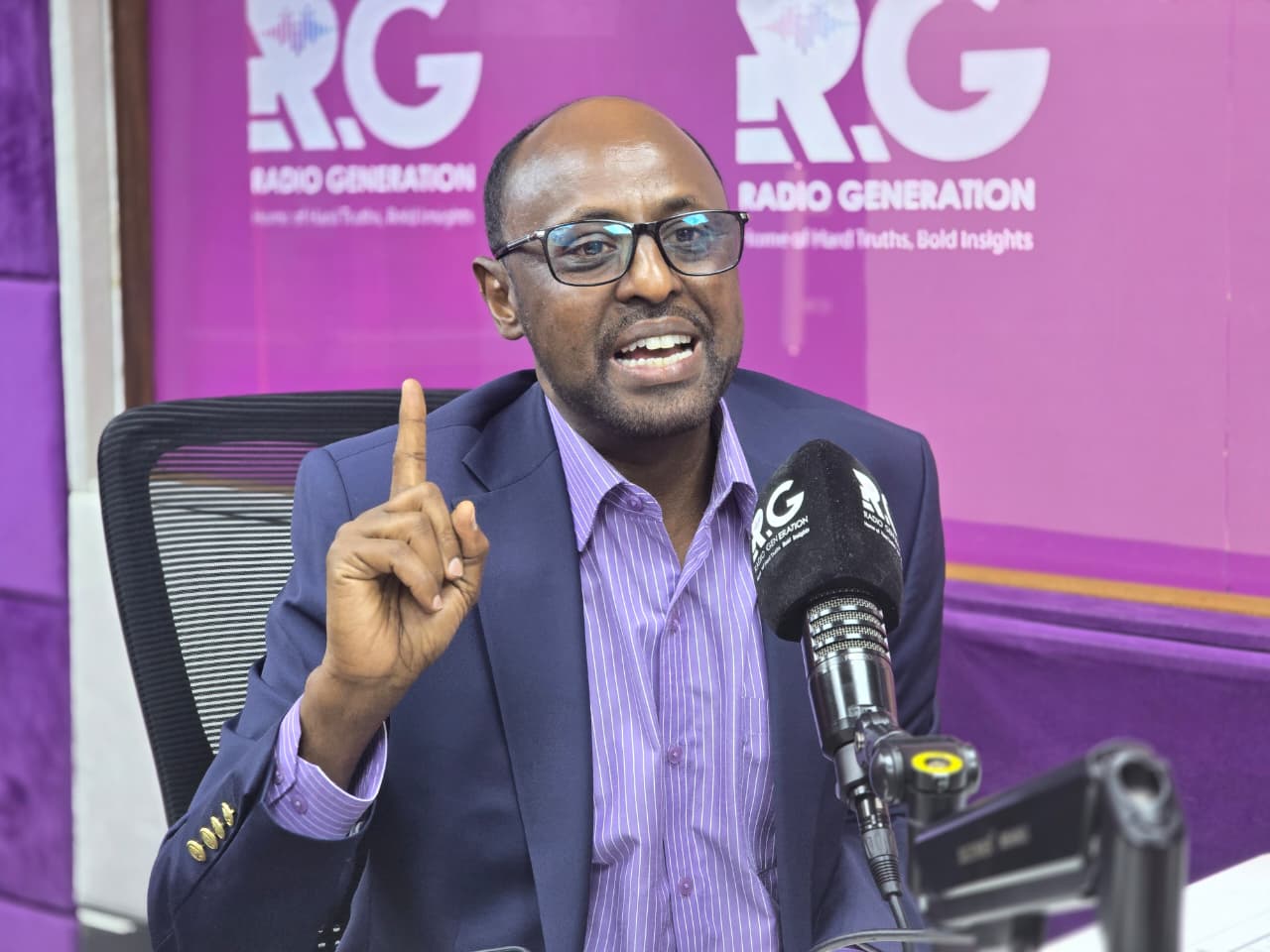
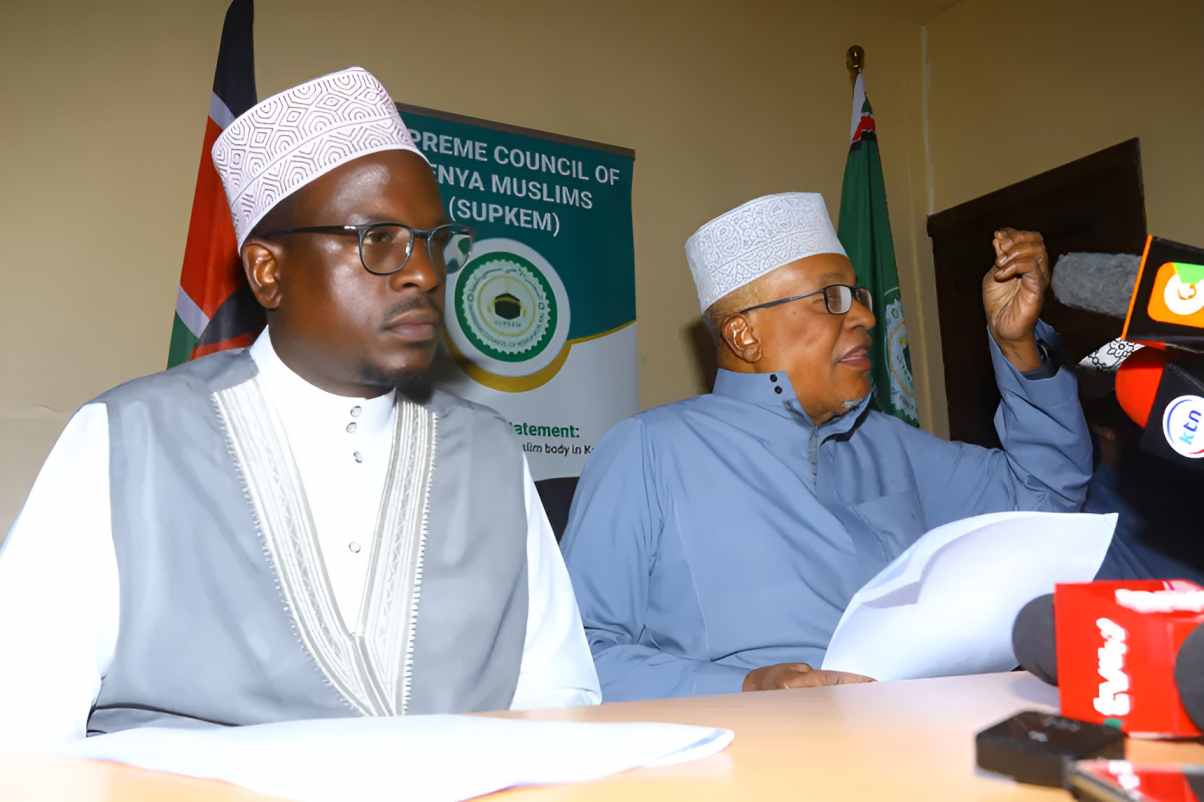
Supkem National Chairperson Hassan Ole Naado also rejected the proposed law, calling it unnecessary and duplicative.
He said existing legislation, such as the Societies Act (Cap 108), already provides a framework for registering and regulating religious organisations.
“It’s Supkem’s position that the Religious Organisations Bill is legislative overkill and should be dropped,” Ole Naado said.
“We don’t need new laws to fix what happened in Shakahola. That tragedy occurred because duty bearers failed to act, not because there was a gap in the law.”
Both Deliverance Church and Supkem have urged the government to abandon the proposal and instead strengthen enforcement of existing laws while protecting freedom of worship.