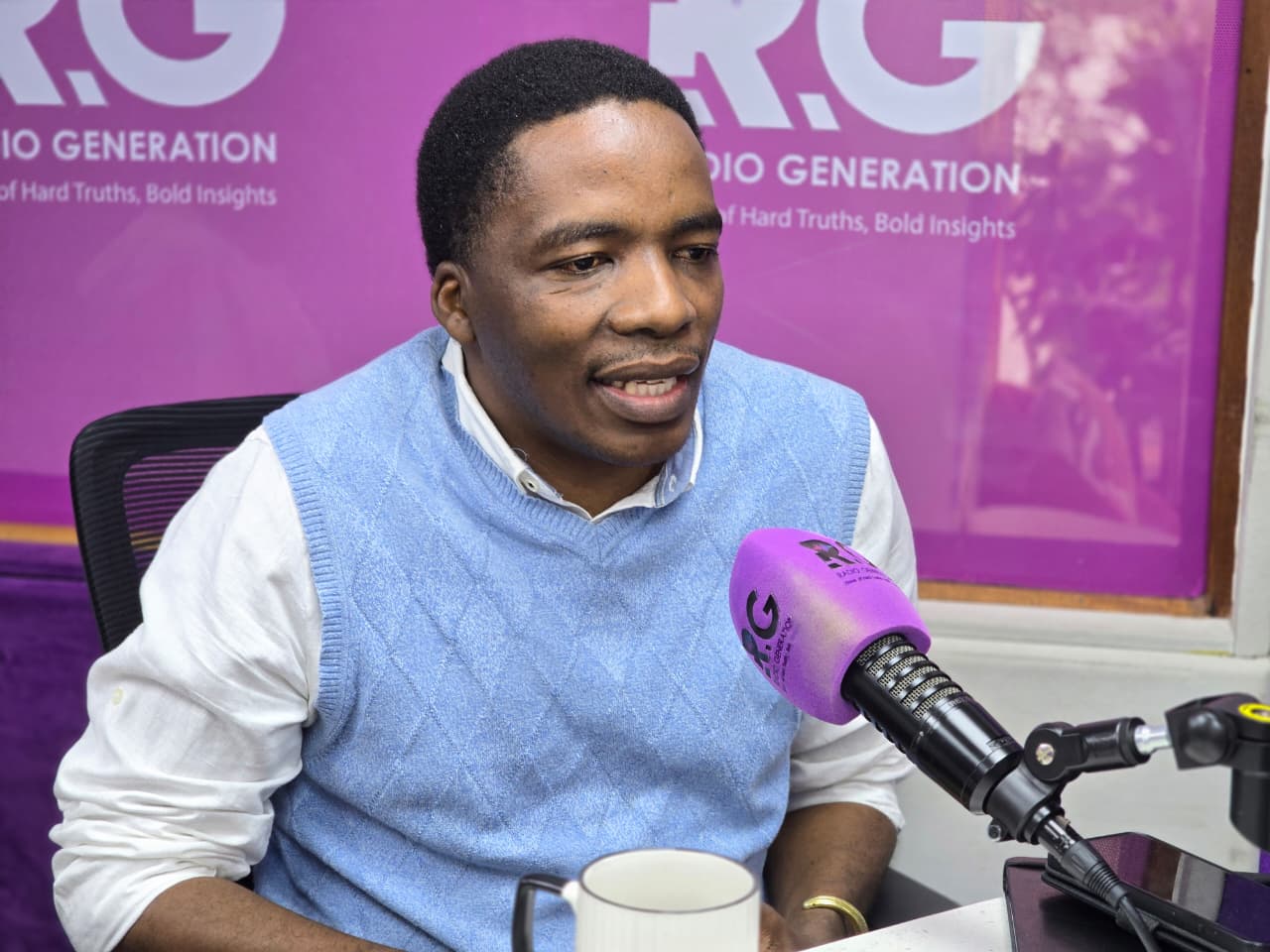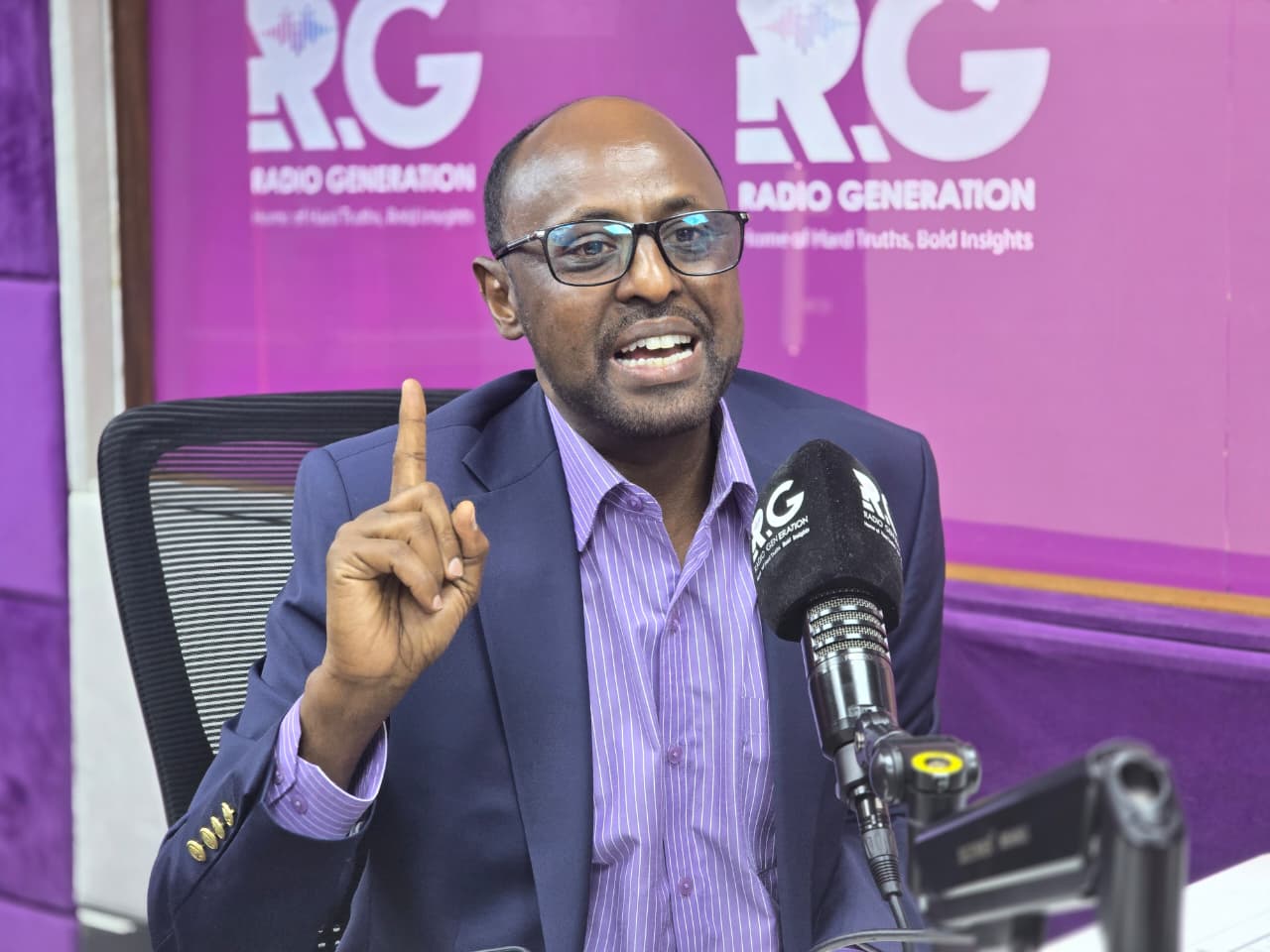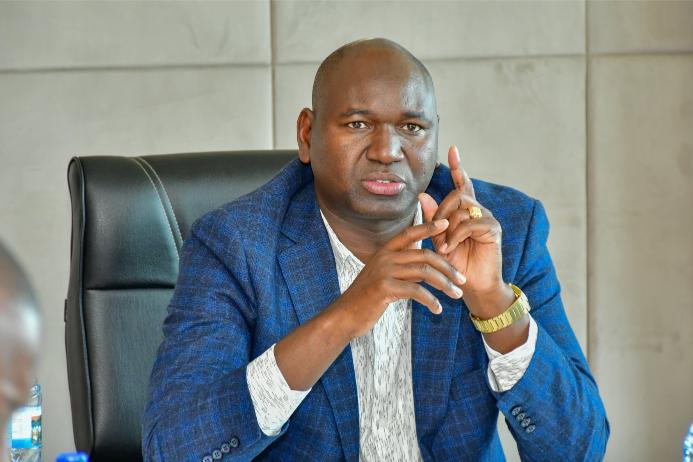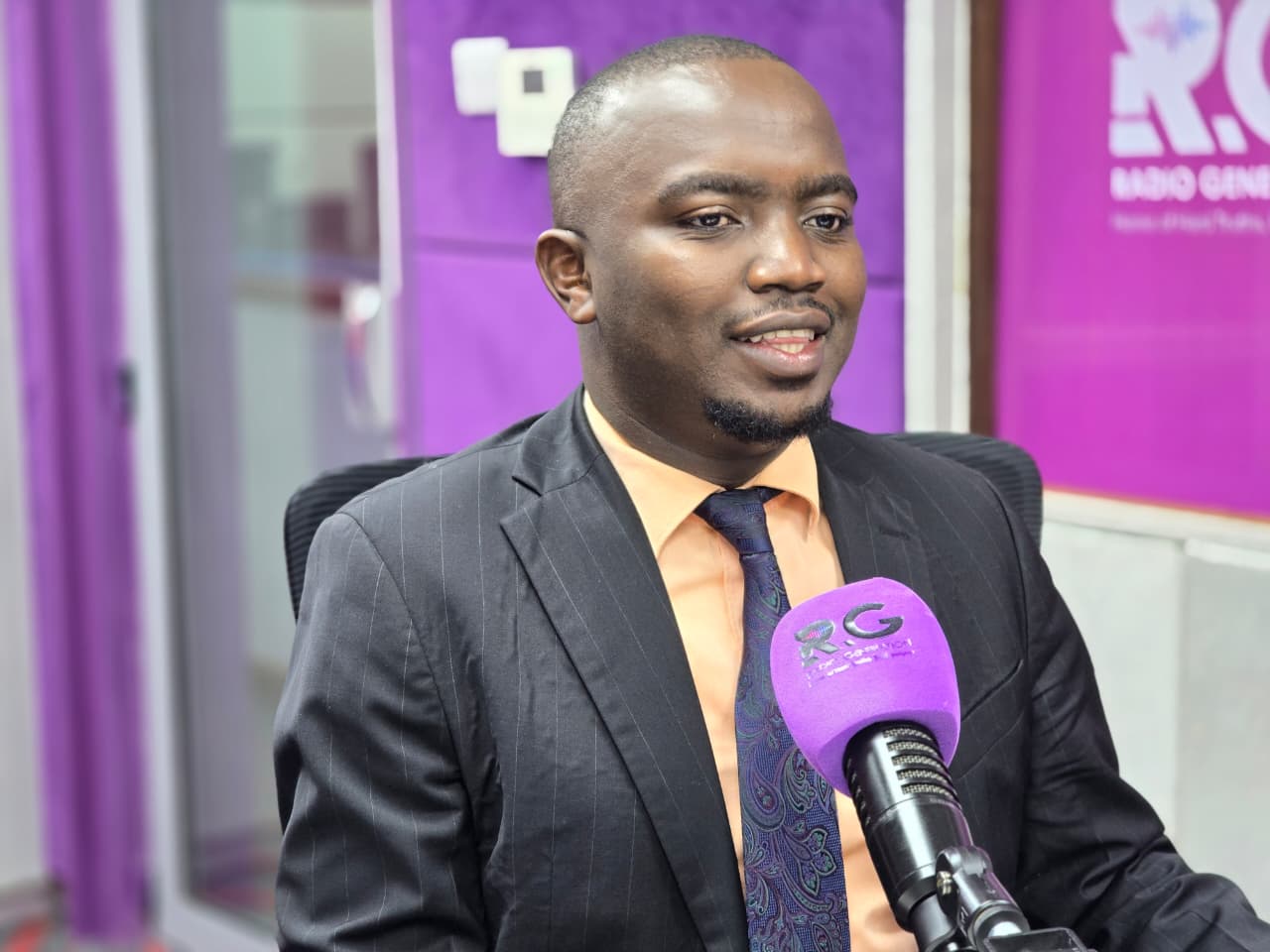
East African Legislative Assembly (EALA) member Maina Karobia has called on Tanzanian leaders to focus on national unity and reconciliation after the country’s recent elections, warning that dwelling on past political conflicts could deepen divisions.
In an interview with Radio Generation, Karobia emphasized that the nation’s leadership should prioritize its development plans and manage post-election tensions, which would help stabilize Tanzania internally and enhance its standing internationally.
“They need to focus now on healing the nation and moving forward,” Karobia said on Wednesday.
“They need to focus on the manifesto the ruling party gave to the people and upon which they were elected, so that they are able to move the nation forward. It is more strategic for a leader, particularly after the kind of situation they have had in the last one year, to look forward rather than look backward.”
The legislator warned that political polarization could harm Tanzania’s reputation abroad and potentially strain diplomatic relations.
“Otherwise, you will have issues internally and also externally,” he said.
“I have seen a certain senator in the U.S. Senate actually raising concern that they might discuss relations between the U.S. and Tanzania. So for me, I think it is best if they move forward rather than looking at the factors that involved the election.”
Karobia noted that elections naturally bring competing interests, but the overarching goal should always be national progress. “In any democracy or competition, there will always be varying interests,” he explained.
“Sometimes the best thing is to move forward. All of you were competing for the best interest of the country not to do harm, but to do good.”
The MP urged Tanzanian authorities to practice inclusivity by allowing opposition groups to take part in governance and electoral processes without restrictions. He also called for the unconditional release of political detainees as a step toward national reconciliation.
“There are people still in prison and parties that feel they were not given the opportunity to represent their people. I think unconditional release of political detainees would be good,” he said.
Karobia praised reforms aimed at strengthening the independence of Tanzania’s electoral body, now called the Independent National Electoral Commission (INEC), describing the changes as progress for democracy.
“They really tried to show its independence,” he remarked. “Democracy is work in progress, even in Kenya and across the region.”
He reminded Tanzanian leaders that political rivalry is temporary, while governance and nation-building require long-term collaboration. “Competition is a one-day event, but you still have five more years to live together as one people,” he said. “The best thing is to look at the bigger picture and focus on unity and rebuilding the nation."
President Samia Suluhu Hassan was recently declared the winner of the elections, taking more than 31.9 million votes, or 97.66% of the total, for a new five-year term.
Her victory, which followed her initial rise to power in 2021 after her predecessor’s death, sparked protests over the exclusion of major challengers, some of which turned deadly.