A worsening drought is tightening its grip on Kenya’s arid and semi-arid regions, leaving millions of people exposed to food shortages as rains fail once again.
The latest food security assessment warns that poor rainfall expected between October and December, coupled with unusually high temperatures, will deepen the crisis in counties already struggling with depleted water sources, dying livestock and shrinking harvests.
The Integrated Food Security Phase Classification (IPC) projects that about 2.1 million people in the Asal areas will face crisis-level hunger between October and January, marking a slight rise compared to the previous season.
The report paints a grim picture of communities facing multiple challenges — low rainfall, drying pastures and the spread of animal diseases that threaten the main sources of livelihood.
It notes that eleven of the 23 Asal counties could see a surge in the number of households struggling to meet their food needs. “Consequently, competition for scarce natural resources is expected to intensify, fuelling resource-based conflicts,” the report states.
It adds that the spread of livestock diseases will further cut productivity and incomes, leaving many families unable to afford basic food items.
According to the Kenya Meteorological Department, most of the dry counties will receive below-average short rains, with daytime temperatures expected to stay above normal.
The conditions are predicted to affect mixed farming and pastoral activities, leading to early depletion of household food stocks. With market prices already high, many families will be forced to rely on purchases at a time when incomes are falling.
The situation is expected to worsen through early 2026 as high surface temperatures dry up water sources and diminish pasture.
“Though livestock birth rates will remain at typical levels during this period, pasture and browse conditions are projected to deteriorate steadily, reducing body condition, milk production and household food derived from livestock products,” the report notes.
The assessment further warns that as herders move in search of pasture and water, migration across county boundaries will increase, raising the risk of clashes.
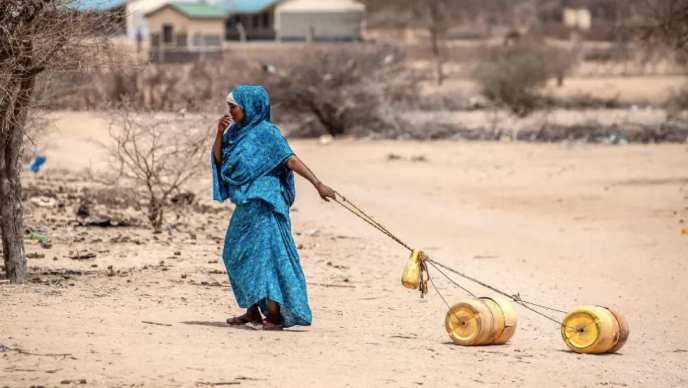
“Intra and inter-county livestock migrations are likely to intensify, increasing the risk of conflicts, which could marginally increase mortality rates and further constrain herd productivity,” it says. Families will also be forced to walk longer distances in search of water, with many turning to unsafe sources. The lack of clean water is expected to weaken hygiene practices and raise the risk of disease outbreaks and malnutrition.
Covering most of Kenya’s landmass, the Asal counties host more than 15 million people who depend mainly on livestock keeping and small-scale farming.
The report cautions that continued exposure to drought and unpredictable rainfall patterns will escalate competition over dwindling natural resources, putting both livelihoods and food security at greater risk.