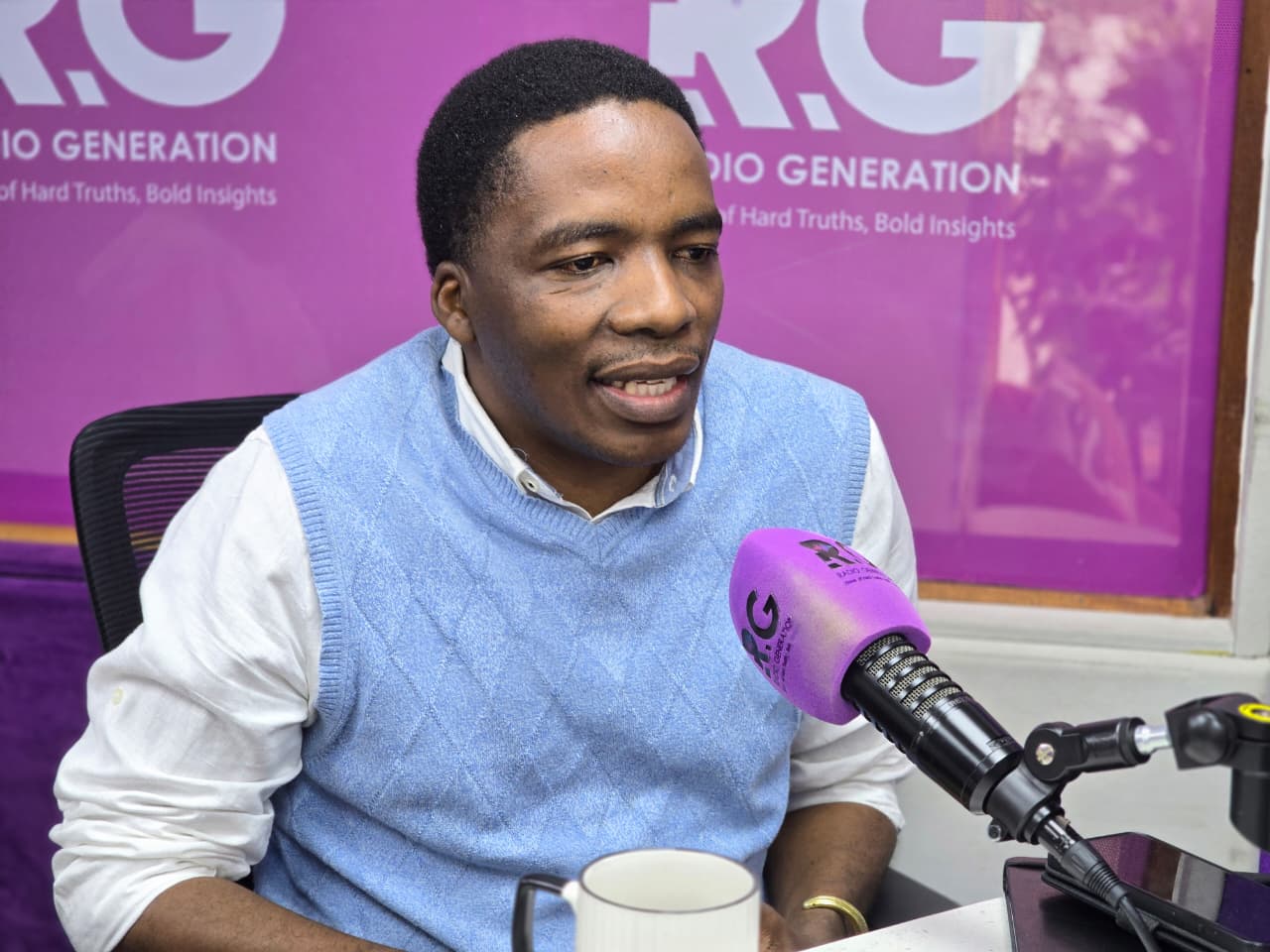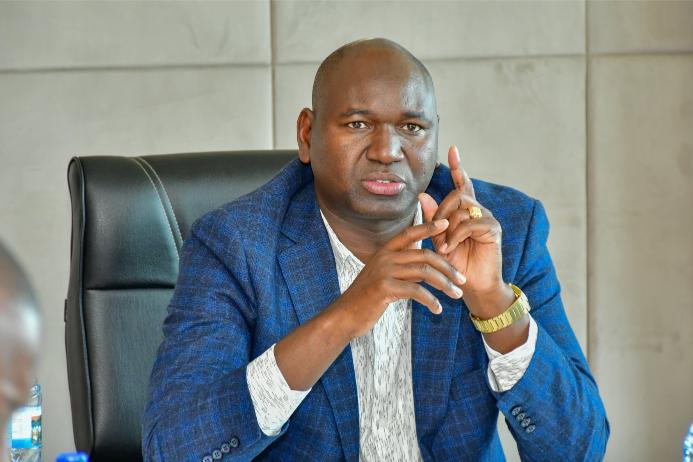
Former Azimio Press Secretary Dennis Onsarigo has described Raila Odinga’s political campaigns as dynamic and people-driven operations that thrived on multiple teams working independently but in harmony.
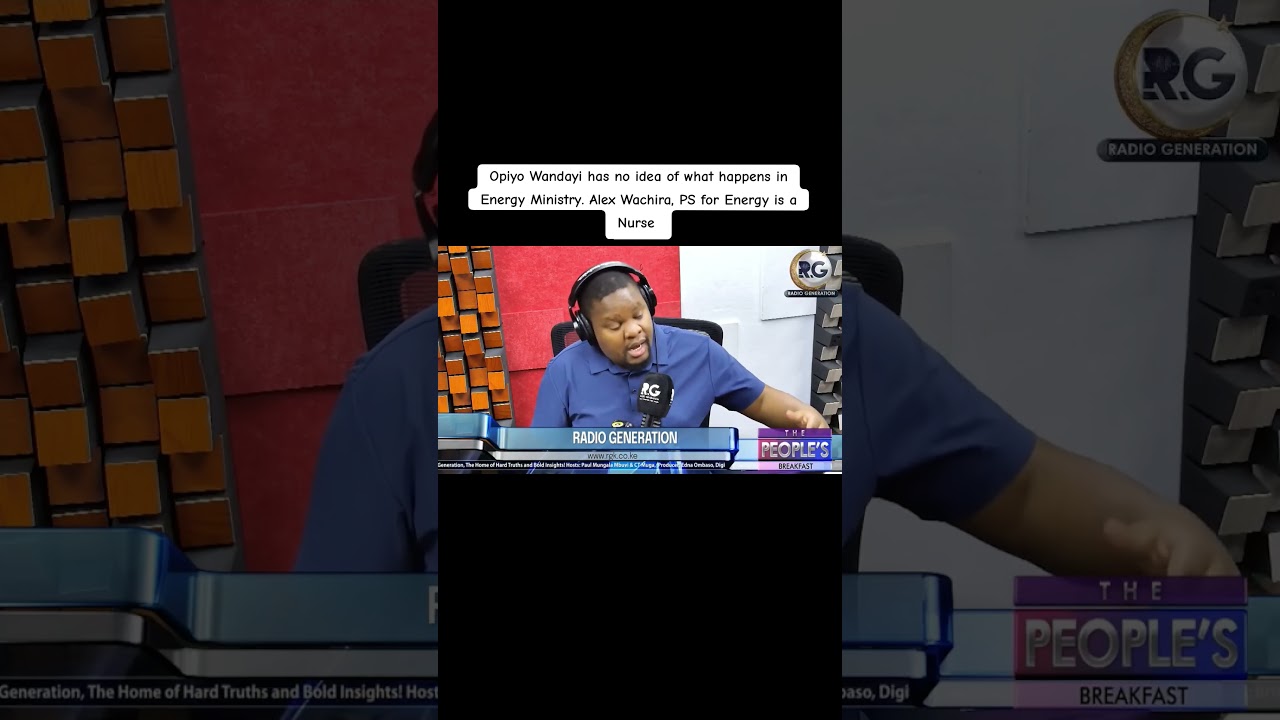
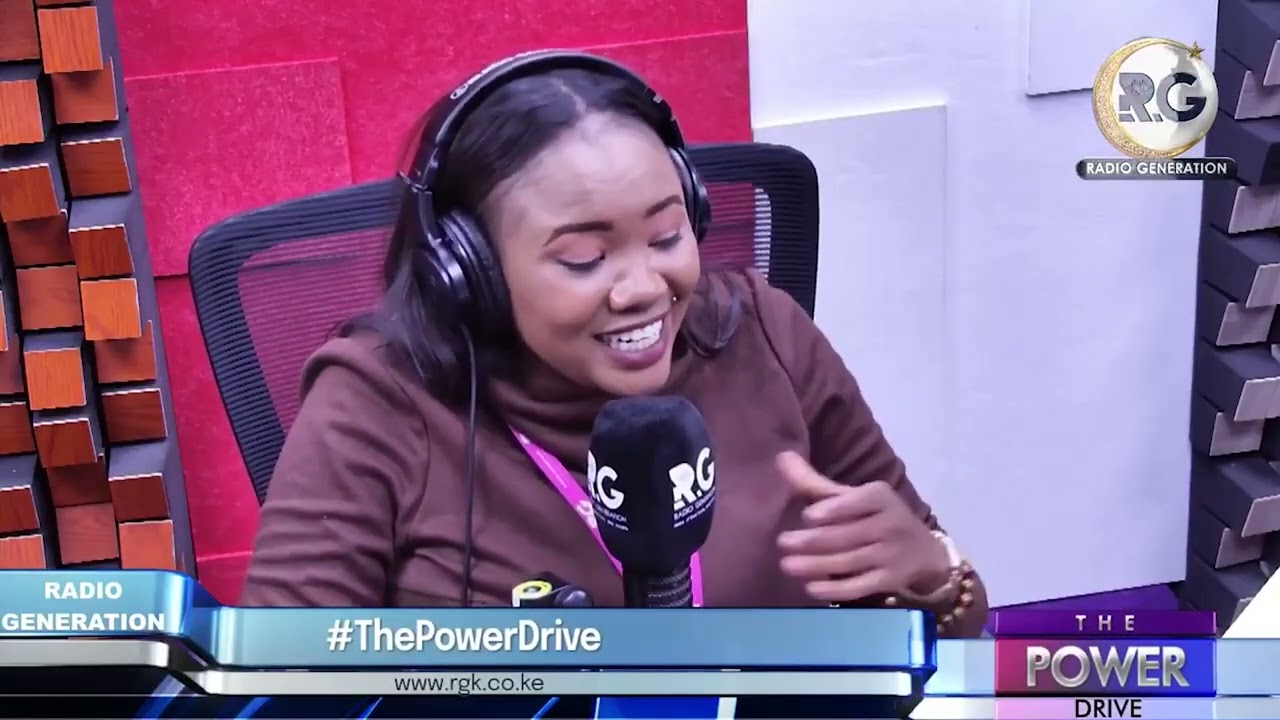
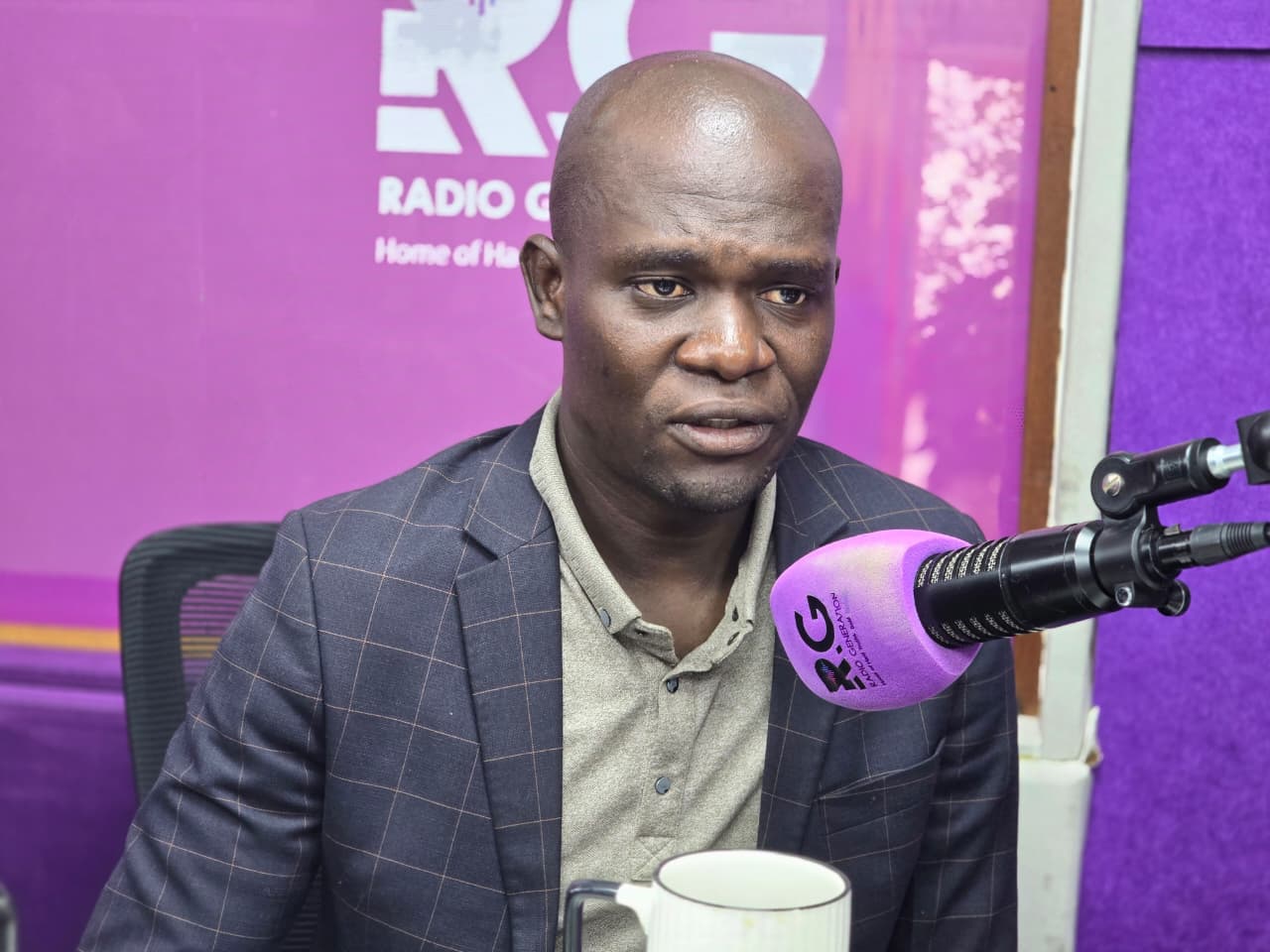
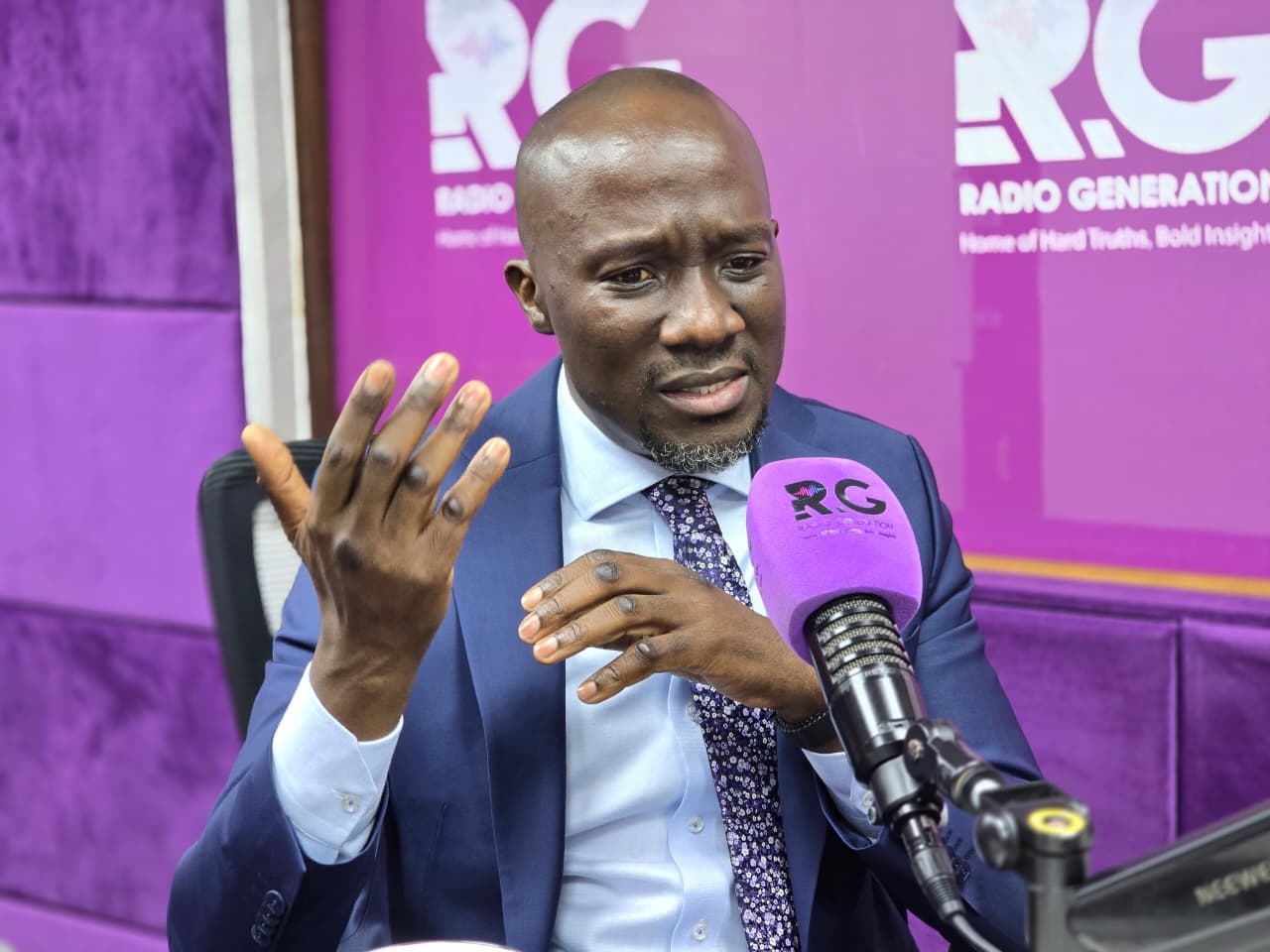
Speaking in an interview on Radio Generation on Wednesday, Onsarigo said Raila deliberately avoided having one central command structure, believing that too much concentration of power made a campaign easy to cripple.
“Raila never believed in having one team because one team is a fortress, and it’s easier for you to attack a fortress,” Onsarigo said. “He used to have many teams running things at the same time, but they had a lot of synergy at the end of the day.”
He explained that Raila’s approach was to ensure constant motion and accountability within his campaign machinery.
“So, you’re doing communication, he brings someone else to shadow you in communication. You bring a lawyer, he brings another legal expert, so that you keep moving,” he added.
Onsarigo said the campaigns were not just Nairobi-based operations but stretched across borders. “We had many satellite offices, not in Nairobi, not in Kampala. We had many offices across Africa,” he recalled.
According to him, Raila’s campaigns were never purely political organizations; they were movements owned and powered by ordinary people.
“Raila was not Raila Odinga; Raila was owned by the people. So even the campaign was owned by the people. Raila was just a vehicle for this campaign,” he said.
He admitted that this kind of structure came with its own challenges. “It was both humbling and chaotic, very chaotic,” Onsarigo said. “There was a place for chaos in Raila’s campaign, a place for order, and a serious space for pushing what was right for the country.”
Onsarigo described Raila as a pragmatic politician, willing to set aside personal differences if it meant advancing a greater cause. “We had instances where, say in 2013, Moses Wetang’ula was on our side. In 2017, he came back, and Raila stopped everything to welcome him,” he said.
He shared another moment that illustrated Raila’s political maturity.
“There was a lady politician who had called us conmen in 2017. Later, in Nakuru, someone was asked to alight from a chopper so she could board. He knew he was going to Kikuyu next and needed her to speak to the people there,” Onsarigo recalled. “From our inexperienced view, that was unthinkable, but that was Raila, pragmatic and focused.”
Reflecting on the 2017 election loss, Onsarigo painted a picture of Raila’s resilience. “The day after the loss, I was in Karen, and I was the only person in the compound. The previous day, you couldn’t even find parking. I sat there wondering what next, and Raila just said, ‘We start again.’ That was him—focused, calm, and ready to move forward.”