Counties across Kenya are losing billions of shillings to organized corruption schemes, according to revelations by the Ethics and Anti-Corruption Commission (EACC).
Over the past three years, the commission has received 288 county-related graft cases from the Senate, exposing deep-rooted financial mismanagement in devolved units.
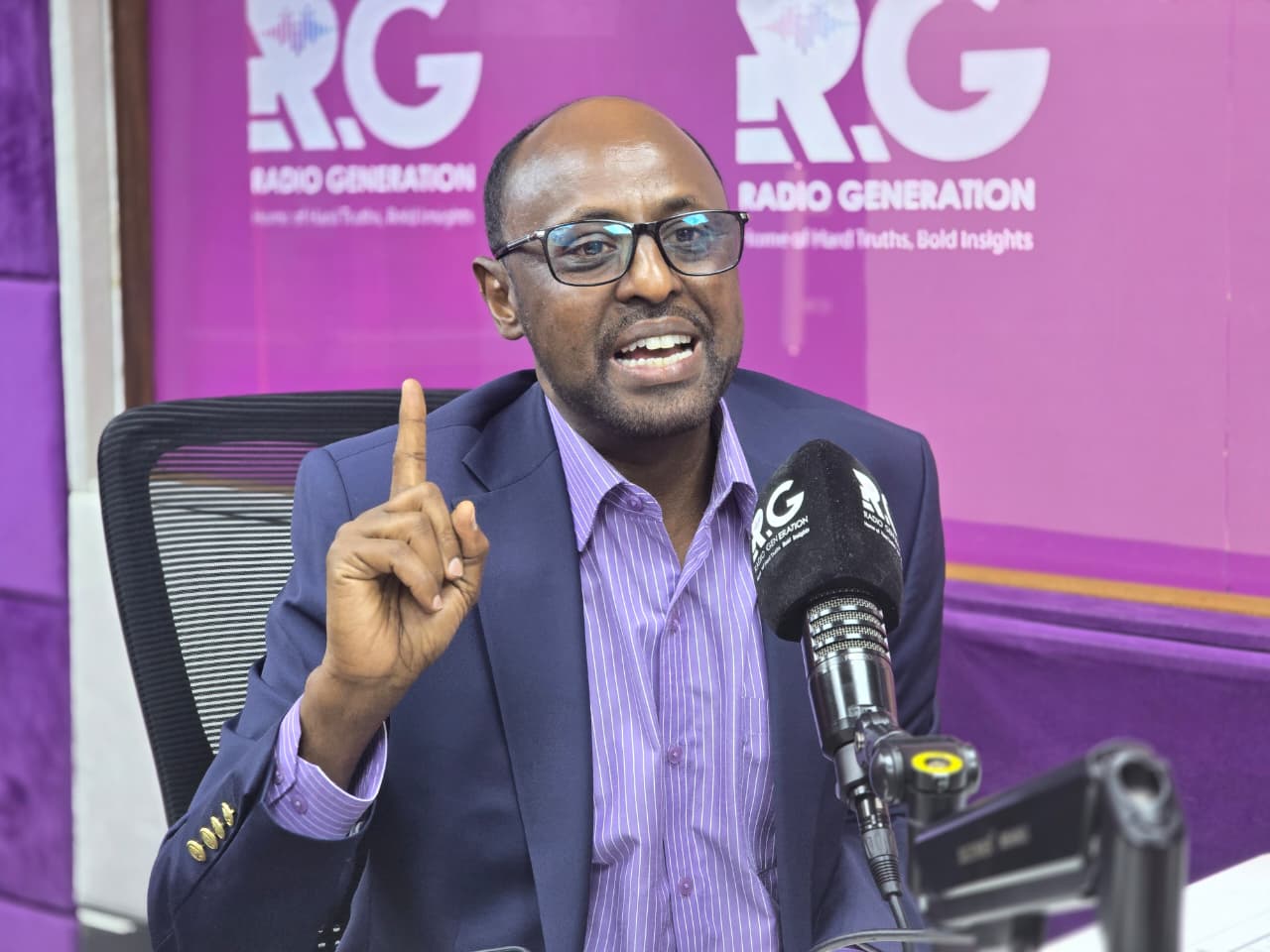
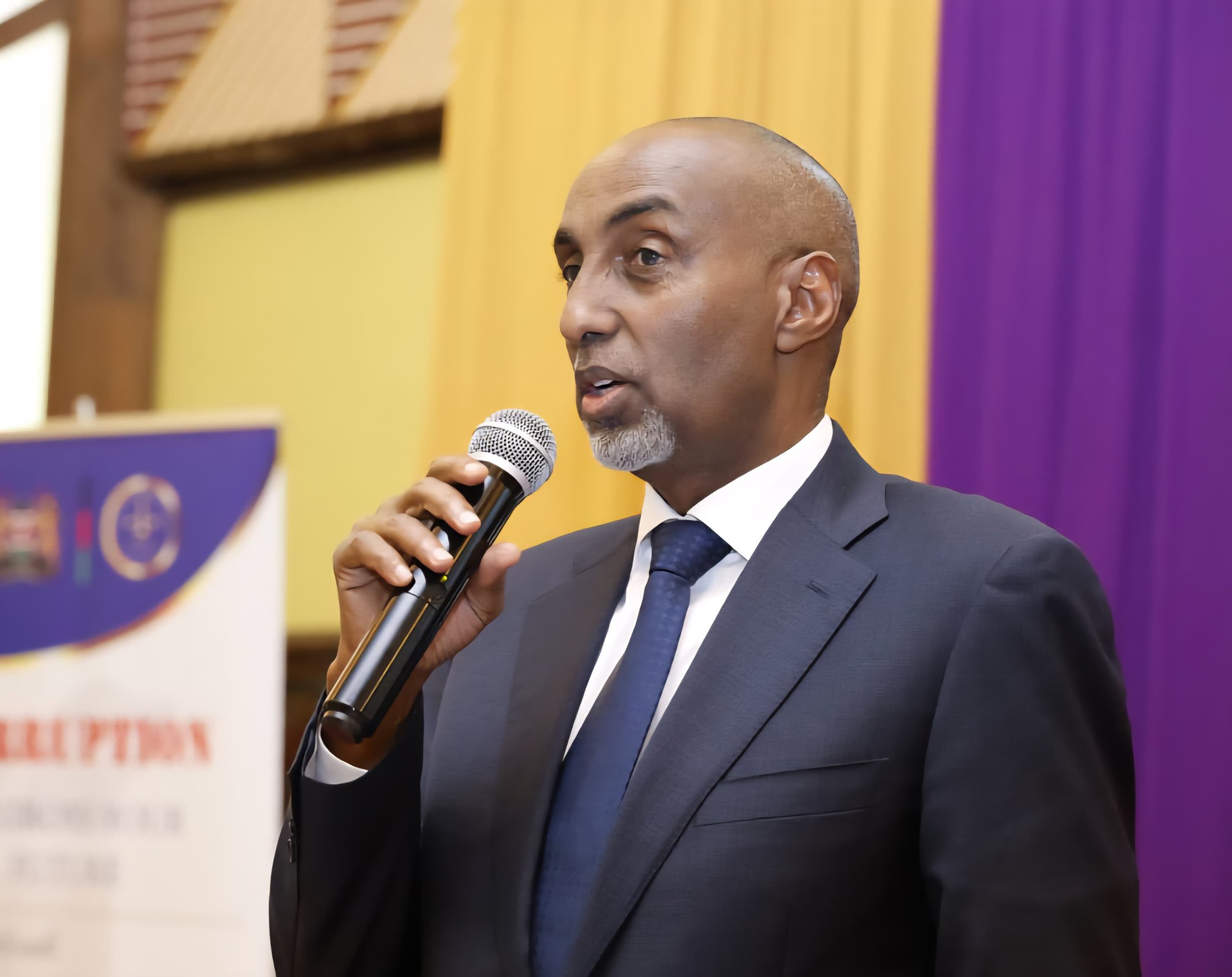
EACC CEO Abdi Mohamud told the Senate’s Justice and Legal Affairs Committee that many companies supplying goods and services to counties are owned by county officers themselves, creating conflicts of interest and denying ordinary citizens access to tenders.
“There are conflicts of interest where county officials are beneficial owners of entities trading with the counties,” he said.
Beneficial ownership refers to a natural person who ultimately controls or gains from a company, directly or indirectly, through shareholding, voting rights, or substantial influence.
Typically, control is established through ownership ranging from 10 to 25 percent.
The commission has uncovered widespread payroll fraud, with inflated staff lists and ghost employees siphoning salaries from county coffers.
“These cases involve individuals who are fraudulently added to the payroll as non-existent employees and receive salaries unlawfully,” Mohamud explained. To combat this, EACC has recommended biometric and digital human resource systems to identify and remove ghost workers.
Procurement malpractice is also rampant, with officials bending rules to award contracts to unqualified firms, often their own or those of associates.
“Embezzlement of public funds arises from procurement irregularities leading to unlawful payments to entities for services not rendered, goods not supplied or substandard works,” the report notes.
The commission is pushing for full adoption of e-procurement to reduce opportunities for fraud and financial abuse.
Several governors and senior county officials, past and present, are being investigated for irregular tenders and payments linked to their businesses. EACC highlighted collusion between county executives and assemblies in creating budgets for non-existent projects.
“Collusion between county assemblies and executives to budget for fictitious projects diverts funds meant for public good,” Mohamud said.
The misuse of imprest systems through forged claims and fake documentation remains a serious problem, especially as most counties continue to process advances manually.
Billions of shillings are tied up in stalled or abandoned projects, with some diverted to other purposes. Illegal payments have also been made to the Council of Governors and regional blocs without legal authority, contrary to the law.
EACC recommended increased citizen involvement in budgeting, monitoring of projects, and real-time tracking of expenditure to ensure money reaches genuine initiatives.
Out of the 288 Senate-referred cases, six have been concluded in court, seven are pending, seven are with the Director of Public Prosecutions, 74 have been referred to other agencies, 125 remain under investigation, and 69 have been prioritized for action.
Some notable cases under investigation include Sh110 million in unremitted liquor licensing fees in Homa Bay from 2015 to 2022.
In Kericho, irregular payments of Sh143.25 million for local travel and subsistence allowances are being scrutinized.
Turkana faces a probe over a Sh25.1 million contract for the Kalokol Resource Centre, while Nyandarua is investigating a road maintenance contract valued at Sh657.94 million, far above the budgeted Sh247.5 million in 2013-14.
Bomet County is also under multiple probes, including alleged irregularities in the procurement of seven water works and desilting of four water pans, worth Sh15.55 million and Sh13.33 million, respectively, with contracts signed before the statutory 14-day period following award notifications, violating Section 135(3) of the Public Procurement and Asset Disposal Act, 2015.
Investigators are also examining purchases of a prime mover and five large tippers totaling Sh61.3 million.