Minority communities in Kenya continue to face severe exclusion from leadership positions in state agencies and public universities, a fresh audit by the National Cohesion and Integration Commission (NCIC) reveals.
Despite legal frameworks intended to promote fairness, the top roles remain largely monopolized by a few dominant ethnic groups, leaving smaller communities, especially from the Northeastern region, with minimal representation.
The 2025 NCIC ethnic and diversity audit examined staffing across 200 parastatals and multiple universities, uncovering that professional advancement in the public sector is still closely tied to ethnic connections.
Communities such as Kikuyu, Kalenjin, Luo, Luhya, and Kamba continue to enjoy a distinct advantage when competing for senior positions.
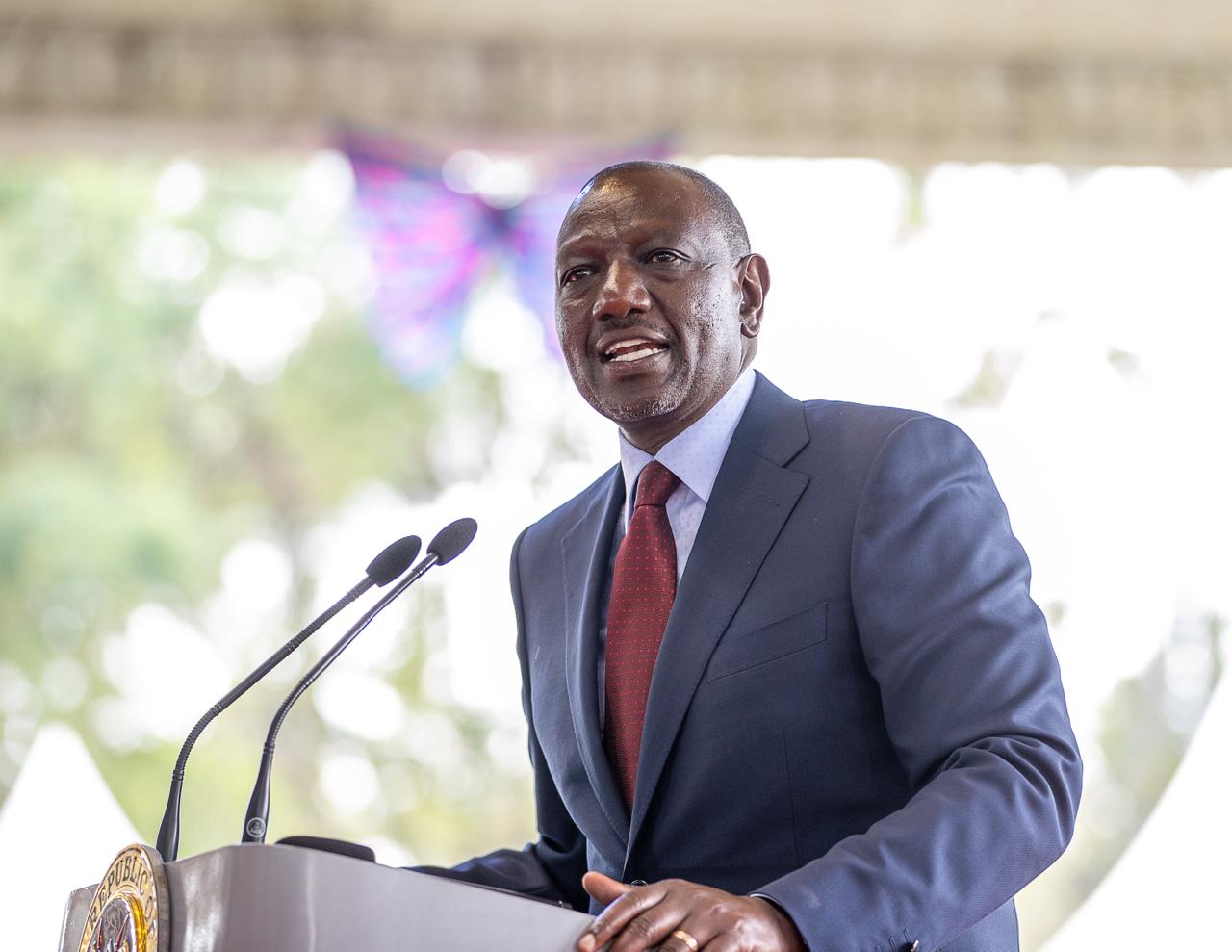
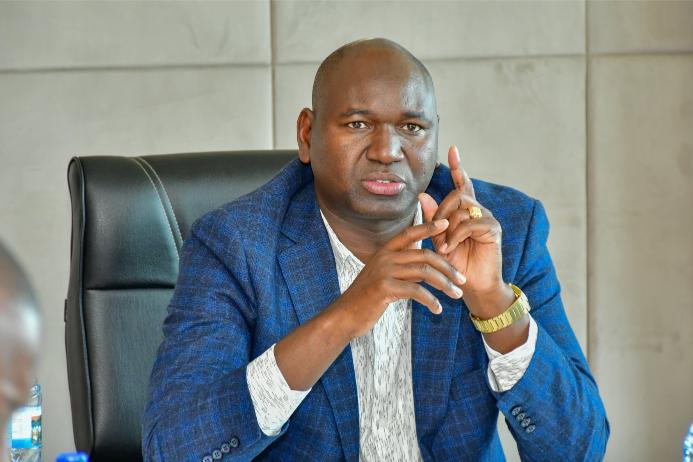
NCIC Chairman Simon Kobia said the report exposes entrenched practices where ethnic and political networks dictate public employment.
“This data demonstrates that ethnic leaders use their influence to reward trusted members, friends and affiliates who in turn share resources with co-ethnics further down the chain, totally destroying the opportunities for ethnic balance,” he stated on Thursday.
“Being at the helm of the commission for the past five years, I confirm a lack of political will to use the existing laws and policies to address these challenges.”
Kobia highlighted that a workforce reflecting Kenya’s diverse population would bring “a wider range of perspectives, experiences and skills, which can catalyse sustainable economic growth and social cohesion.”
According to the audit, eight major ethnic groups; Kikuyu, Kalenjin, Luo, Luhya, Kamba, Kisii, Meru, and Mijikenda—fill 87.99 per cent of parastatal positions, leaving just 12.01 per cent for 37 other communities.
The Kikuyu lead with 20.06 per cent, followed by Kalenjin (17.58), Luo (14.12), Luhya (12.37), Kamba (8.46), Kisii (7.26), Meru (4.39), and Mijikenda (3.75).
Minority groups such as Rendille, Orma, Burji, Ndorobo, Gosha, Konso, Kuria, Suba, Ilchamus, Sakuye, Dasanech, and Malakote, mainly from northern Kenya, collectively account for less than one per cent of positions in state agencies.
The audit also shows that eight ethnic communities hold 86.25 per cent of all CEO positions in state corporations. Kikuyu, Kalenjin, Luo, and Luhya alone occupy 64.60 per cent, while Kamba, Meru, Somali, and Kisii share the remaining roles.
Overall, 200 parastatals, or 66.89 per cent, adhered to NCIC diversity standards, while 99, representing 33.11 per cent, failed.
Among larger state agencies, only seven met ethnic balance requirements. Institutions such as Moi Teaching and Referral Hospital and Kenya Ports Authority fell short, recording compliance of 67.66 and 34.46 per cent respectively.
Medium-sized parastatals showed mixed results, with South Nyanza Sugar Company, Moi University, and JKUAT still dominated by single ethnic groups.
Universities mirrored these trends, where six ethnic groups—Kikuyu, Kalenjin, Luo, Luhya, Kamba, and Kisii—comprise 85.71 per cent of all staff.