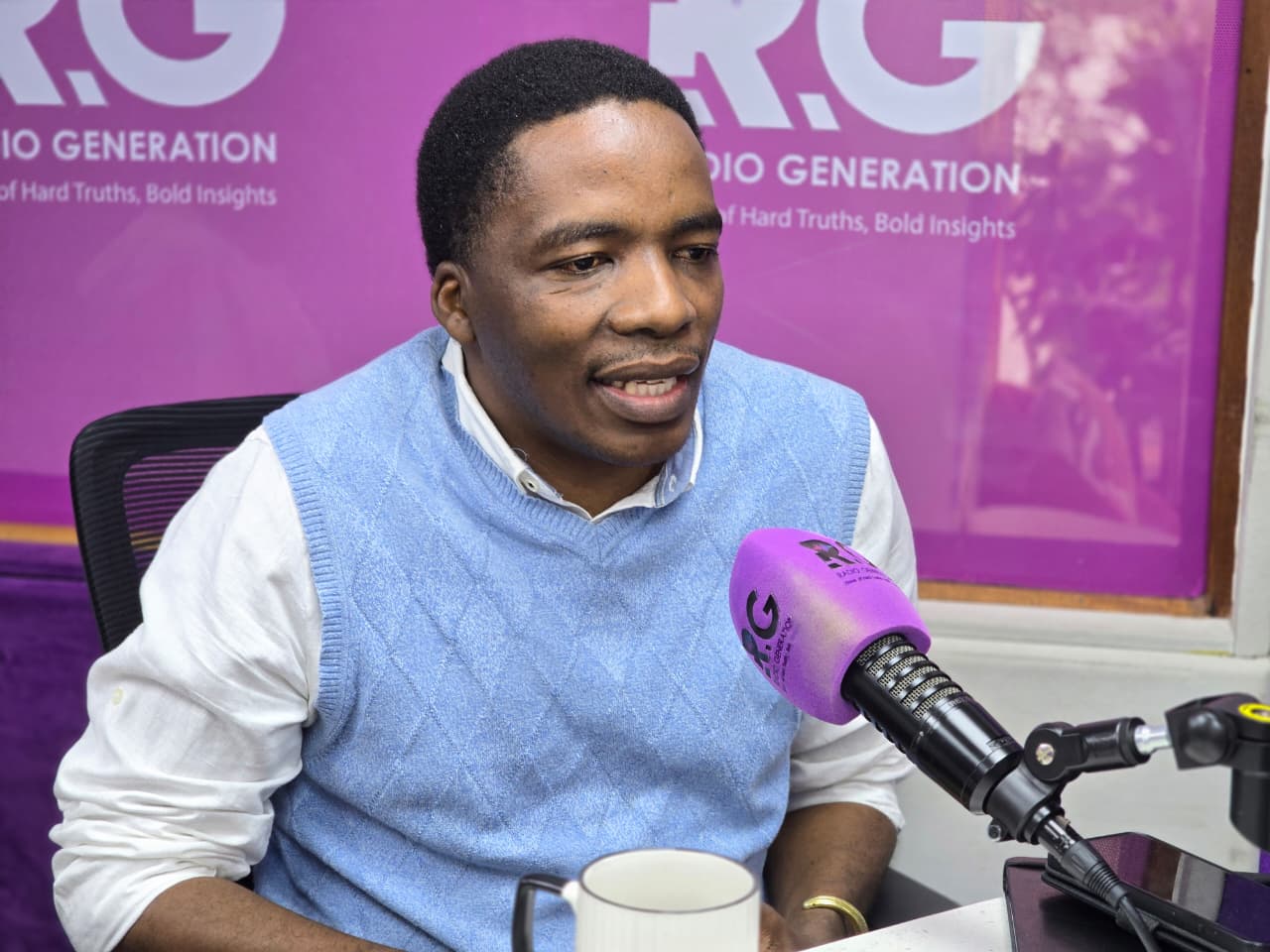
Political risk analyst Dismas Mokua has warned that the Orange Democratic Movement (ODM) is facing an unprecedented leadership crisis following the death of its long-time leader, Raila Odinga.
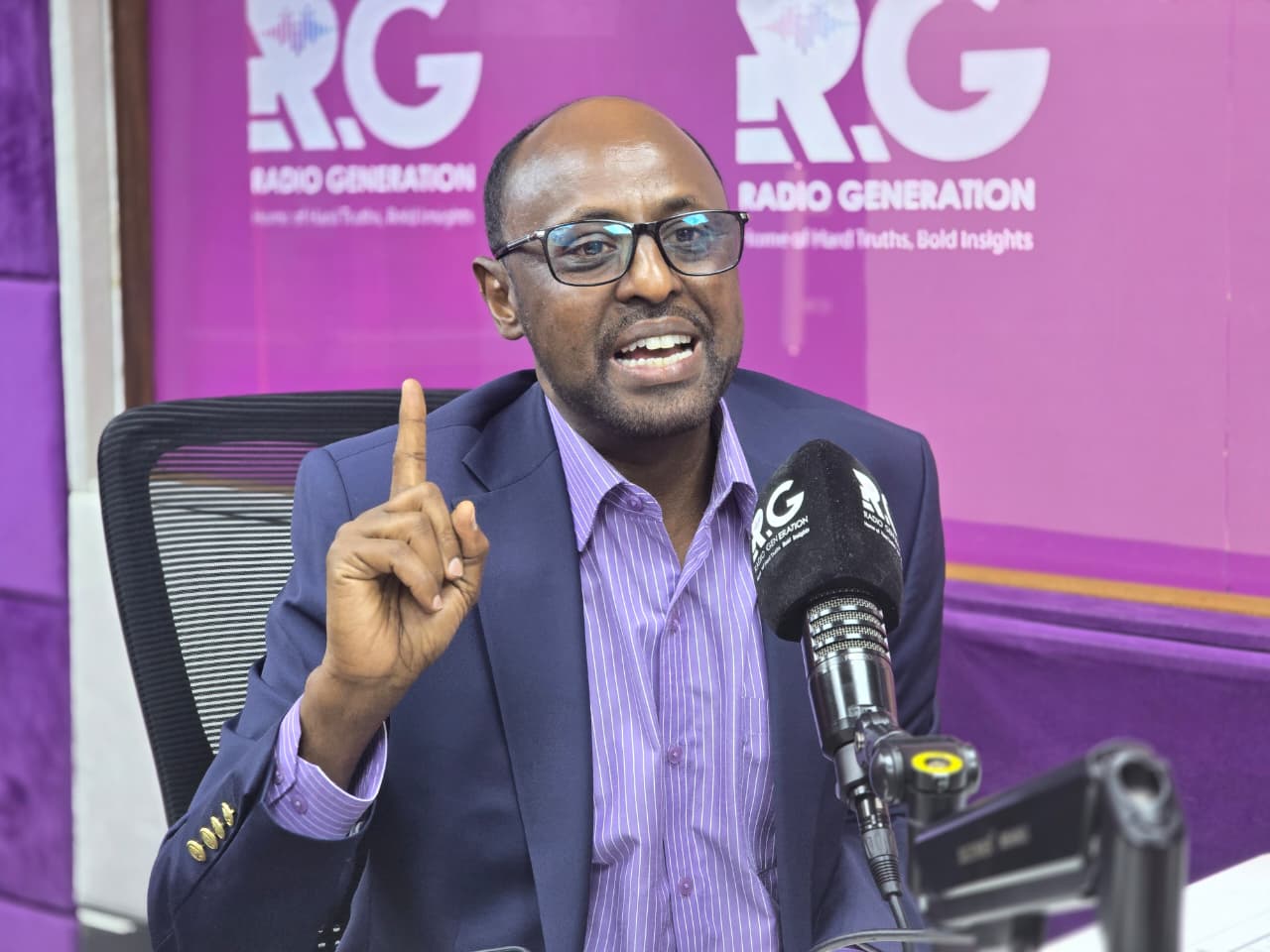
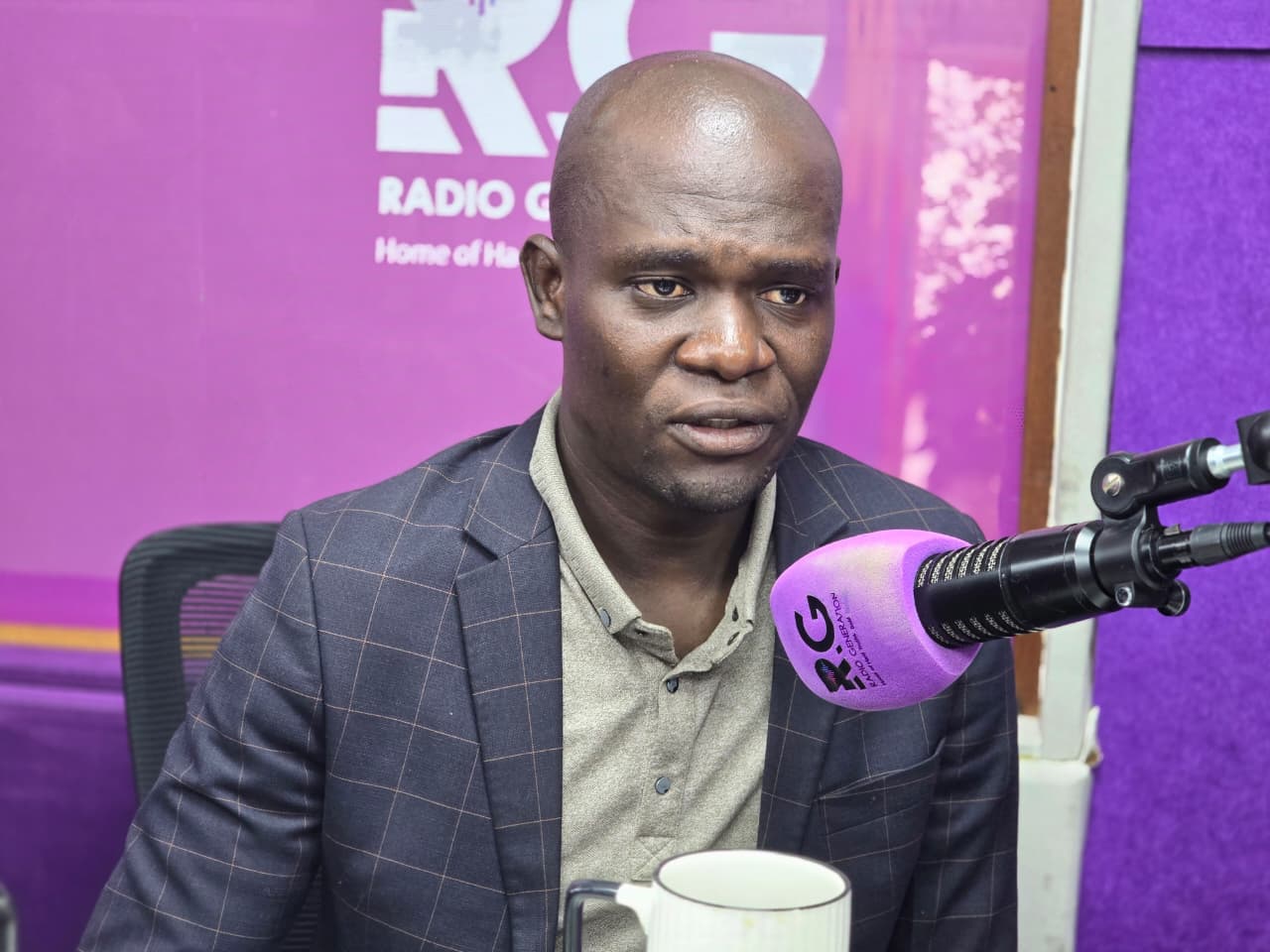
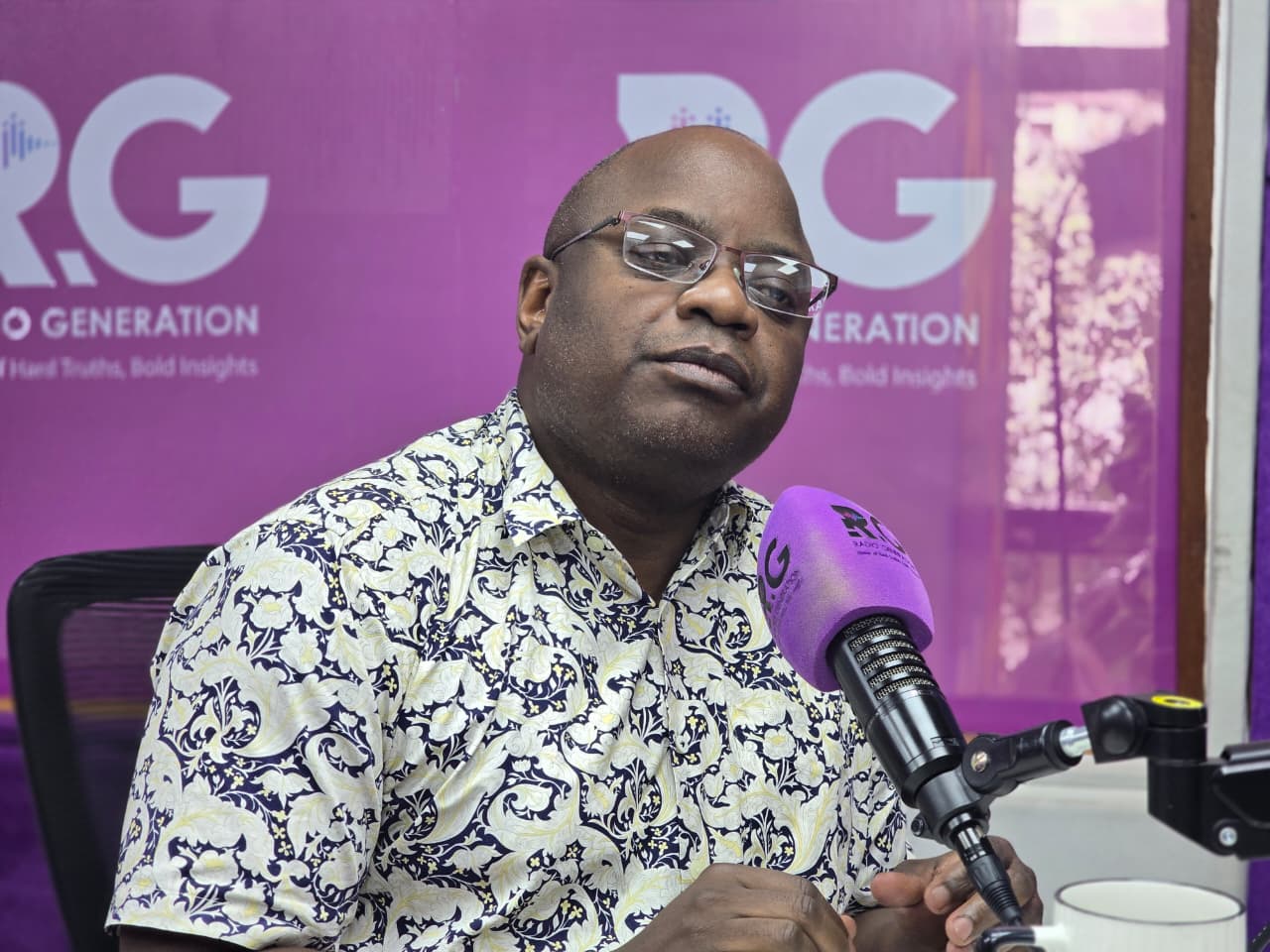
Speaking in an interview on Radio Generation, Mokua said the party’s lack of a clear succession plan and fragile organizational structure has left it vulnerable to internal divisions and potential fragmentation.
“It’s very clear there was no succession strategy, and Raila was the ODM. There was no ODM, there was no succession process,” Mokua said.
He added that if a succession plan had existed, the transition would have been seamless. “Right now, every person within ODM is stating a party position, all the elected leaders, they're stating a party position… you would expect in a more structured setup, a seamless transition. But for ODM, you’ve got so many deputy party leaders, three of them, and it appears there’s no senior among those who can take over.”
Mokua explained that Raila’s unique ability to manage both rewards and consequences had kept the party cohesive, a dynamic now lost. “Raila Odinga was the only person who had capacity to dispense the pleasure and inflict pain, even the messages you saw from Mombasa, all of them were not coordinated. People were pulling in different directions.”
The analyst warned that this vacuum could cause ODM to splinter into multiple factions. “There’s a very high probability that it disintegrates into three political parties, or maybe three factions,” he said, describing competing groups within the party, including those focused on broad-based government, cabinet ministers advocating broad-based strategies, and leaders seeking to preserve Raila’s legacy.
Mokua also highlighted the absence of leaders with the national infrastructure and credibility to mount a credible presidential challenge.
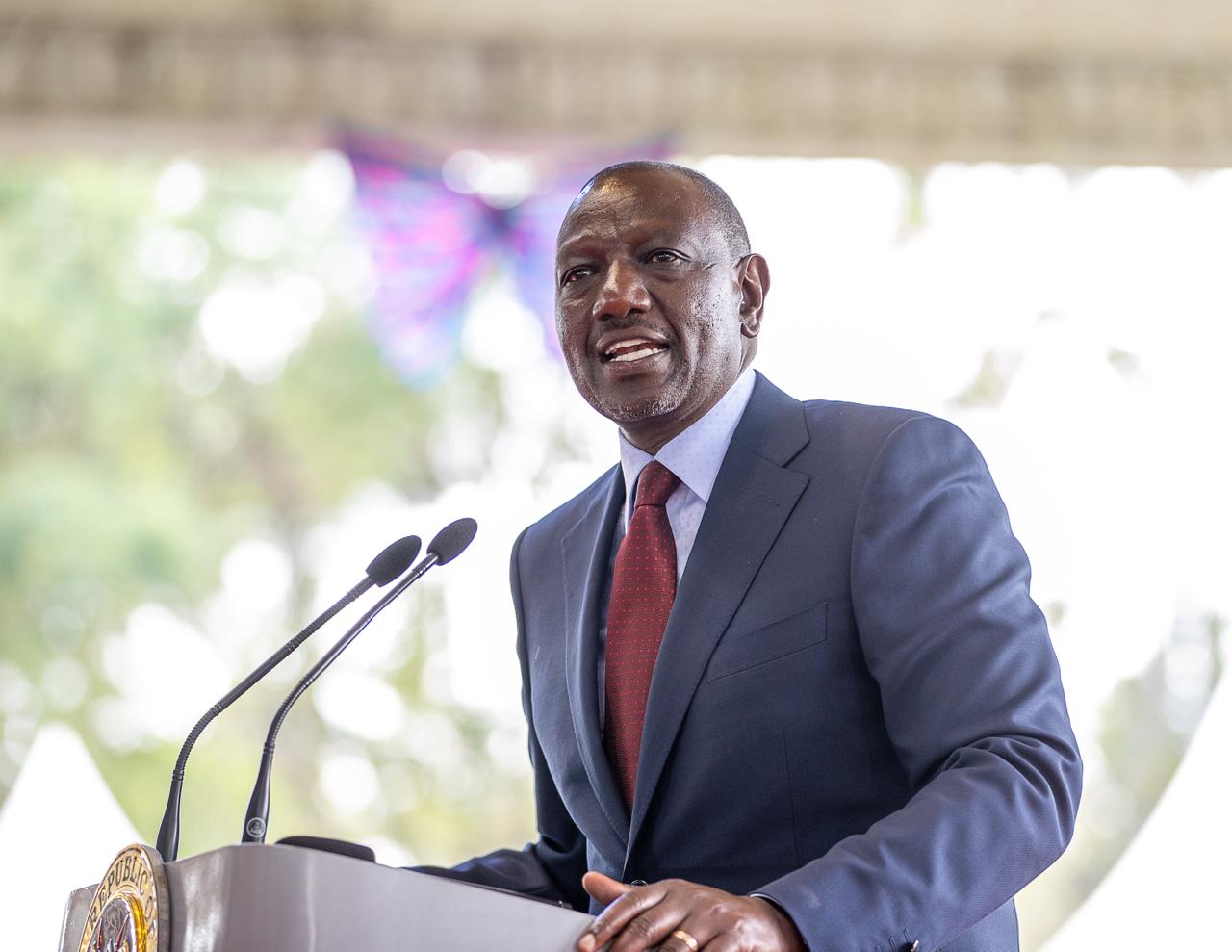
“There’s nobody within today who’s got capacity and competence to run for the President,” he said, adding that some may even support President William Ruto’s second term as a pragmatic choice.
He emphasized that political support in Kenya is largely emotional rather than ideological.
“Majority of people, especially in the third world, it’s all emotional. We come from the same village; they don’t vote around ideas. During the last election, Raila was swimming against the tide, but he had national recognition and grassroots infrastructure,” he said.
Mokua added that ODM’s future depends on its ability to establish a coherent leadership structure and national strategy.
“In the absence of Raila Odinga, people followed wherever he went; there is no rallying idea or ideology left, only fragmented positions and inherited manifestos,” he said.