The Kenya Medical Training College (KMTC) is once again under scrutiny over a series of long-standing financial and governance concerns after its leadership appeared before the National Assembly Public Investments Committee on Social Services, Administration and Agriculture.
On Monday, November 25, 2025, the college was questioned about a widening pension deficit, years-old debts, uncollected rent and slow progress in legally formalising its campuses.
The committee examined audit reports for the 2021/2022 and 2023/2024 financial years, with members expressing frustration at what they described as recurring issues that have appeared in successive audits.
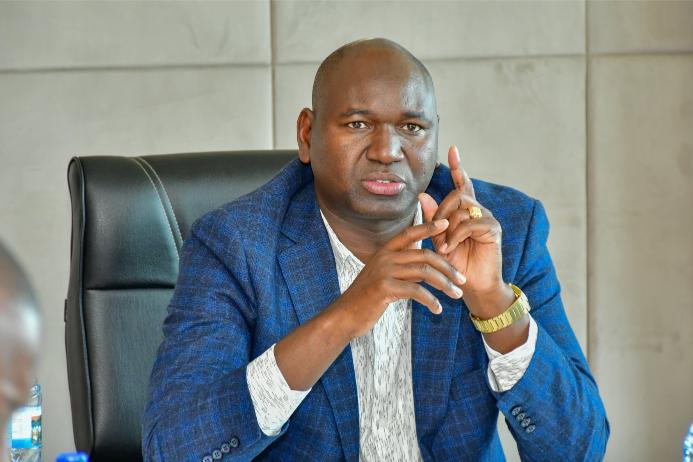
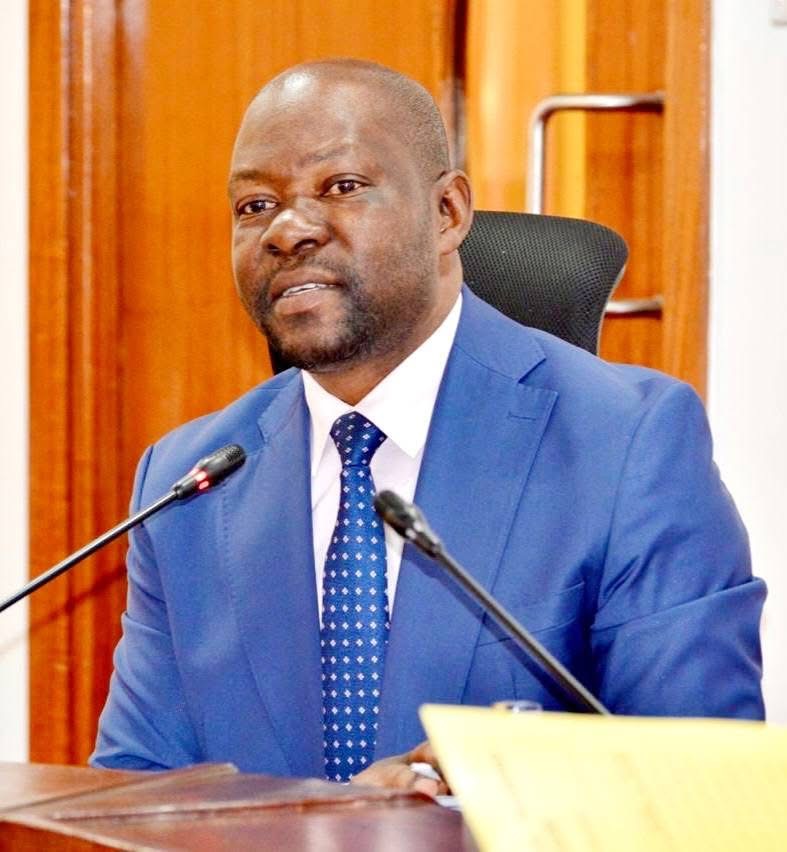
Vice-Chairperson Caleb Amisi said the institution had failed to resolve matters that Parliament has repeatedly flagged.
He warned that the committee would now involve other government agencies, including Kenyatta National Hospital, the University of Nairobi, the Attorney-General’s Office, the Ministry of Health, the Ministry of Education, the Ministry of Lands and the National Land Commission, to conclusively address the outstanding cases.
One of the longest-running disputes concerns Sh7.4 million in rent arrears owed by the University of Nairobi for 96 rooms occupied by medical students. KMTC said an eviction notice issued in July 2018 was never carried out and that the matter has since been escalated to the Attorney-General and the Head of Public Service.
Documents presented to the committee indicate that the buildings in question belong to KMTC.
The college also reported unresolved debts owed by state institutions. Kenyatta National Hospital owes Sh21.8 million, while the former Ministry of Medical Services owes Sh19.8 million. Both amounts had been recommended for write-off, but Treasury approval is still pending.
The largest concern before the committee was the institution’s pension scheme, which as of June 2024 had a deficit of Sh2.125 billion.
KMTC Chief Executive Officer Kelly Oluoch said actuarial reviews showed the fund’s assets were insufficient to cover obligations to current and future retirees. He said the college had been forced to finance remedial measures using student fees, a practice that could strain cash flow without Treasury support.
To stabilise the scheme, KMTC increased its sponsor contribution from 20% to 27.6% starting July 2024 and pledged to inject Sh100 million into the fund annually. The committee said it would also bring in the Retirement Benefits Authority and the National Treasury to examine wider challenges in public pension schemes.
Another issue raised was the slow gazettement of KMTC campuses. Only 16 campuses, four hospital maintenance schools and one school of clinical medicine have been formally gazetted. The college assured MPs that learning is continuing uninterrupted and that the remaining centres will be fast-tracked.
The Auditor-General also flagged the college for exceeding the legally allowed six board meetings per year.
KMTC management said the extra meetings were necessary for statutory obligations and graduation planning, but the committee insisted compliance with the law was mandatory.
MPs questioned the high number of staff earning below the one-third net pay threshold due to heavy statutory deductions. KMTC said many employees had taken loans before the introduction of the Housing Levy, SHIF and revised NSSF rates, making it difficult for them to adjust repayment terms. Legislators noted that renegotiating loans in the current economic climate may be unrealistic.
The college further reported that it has not met the 5% employment quota for persons with disabilities, with only 52 of 2,131 employees falling in that category.
KMTC said it plans to work with NG-CDF offices to strengthen recruitment and comply with the law.
For the 2023/2024 financial year, KMTC recorded under-collection of Sh102 million and underspending of Sh993 million but insisted service delivery was not affected.
Amisi said strengthening the institution was critical to Kenya’s plans to develop medical tourism. He added that the committee would continue supporting efforts to resolve outstanding audit issues and modernise relevant legal frameworks.