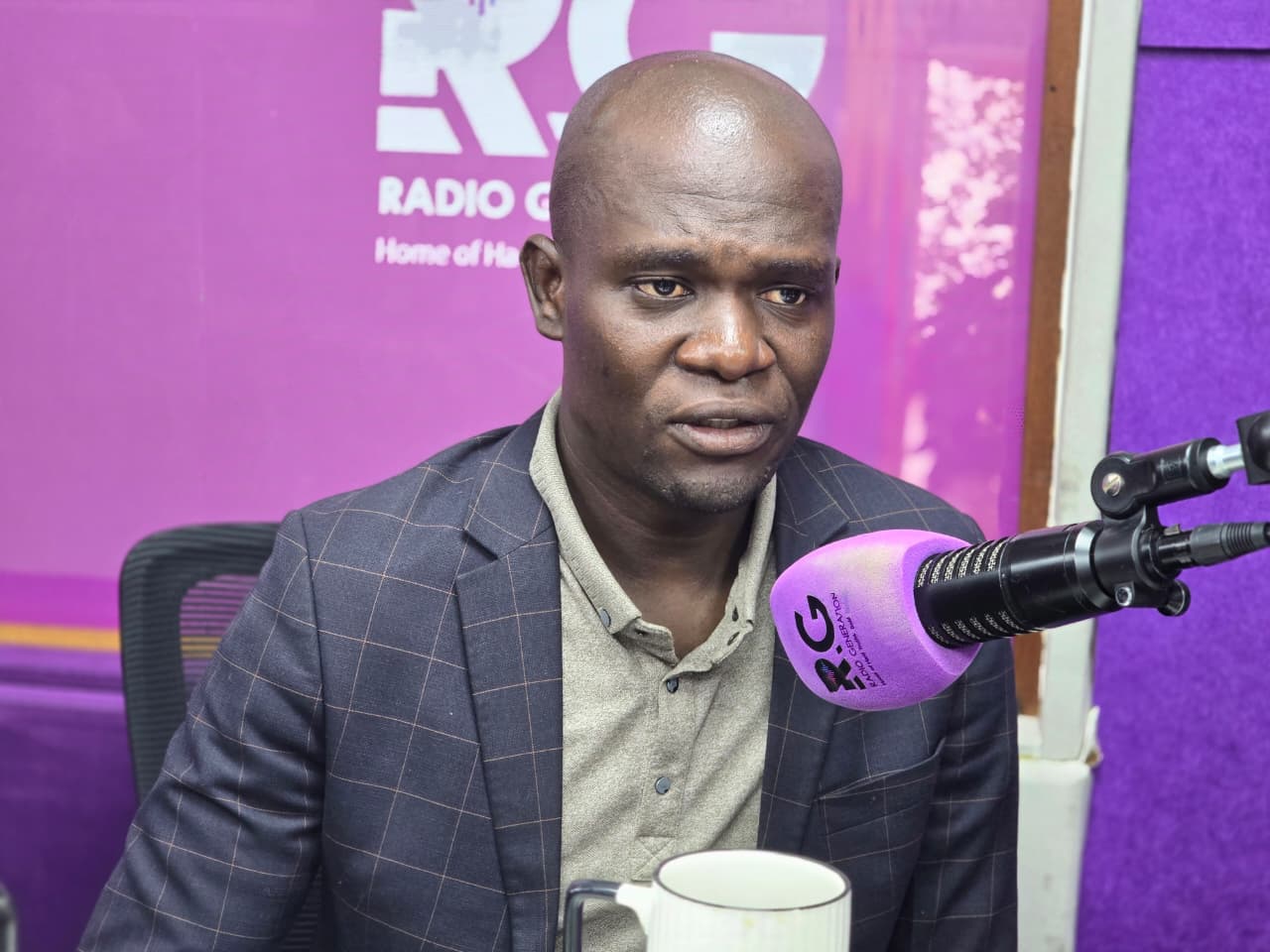
Dagoretti North MP Beatrice Elachi says recent by-elections have exposed deep political competition and structural weaknesses within ODM, urging the party to sit down and reorganise properly.
Speaking on Radio Generation on Monday, she highlighted historical rivalries, clan dynamics, mobilisation flaws and Nairobi governance failures, warning that Luo Nyanza is going to be a very, very competitive region in 2027.
Elachi linked the heightened intensity of the polls to long-standing political currents in Luo Nyanza, particularly in Homa Bay County.
She noted that the area has a history of very tough competition and bad blood in all their campaigns, adding that the region has traditionally been viewed as an opposition zone shaped by old rivalries and clan dynamics.
She explained that these deep-seated issues continue to influence modern politics, saying that in South Nyanza, “there is a certain way that certain people in certain parts of Luo Nyanza conduct themselves and conduct the elections.”
With some leaders aligned to Kenya Kwanza and others holding different loyalties, she argued that the political environment has become more layered and unpredictable.
Reflecting on ODM’s internal decisions, Elachi cited situations where candidates stepped down due to party arrangements, stating that such moves sometimes created perceptions of unfairness.
Elachi warned that the region’s shifting political landscape will have major implications for the future. “Luo Nyanza is going to be a very, very competitive region in 2027,” she said, urging the party to prepare adequately.
She also offered a candid assessment of ODM’s mobilisation structure, describing the difference between perception and actual numbers on the ground.
“When you meet 1000 people, your vote there is just five or six,” she said. She revealed that during campaigns in Kasipul, ODM deployed “1200 mobilisers, each of them to deliver 30 people,” adding that many politicians exaggerate their grassroots support.
Elachi warned party members against relying on assumptions rather than structured mobilisation. “People must learn, you must sit down and reorganise yourself properly,” she said, stressing that strong structures determine performance during nominations and elections.
Turning to Nairobi, the MP delivered a sharp critique of county management, arguing that the city requires a stronger partnership between the county and national government.
She said Nairobi’s challenges are huge than what a governor can do, insisting that key functions such as roads, water infrastructure and environmental management require national support.
She criticised the county’s workforce management, pointing to the Green Army initiative. “They work as if it is not work,” she said, adding that without strict supervision, productivity remains low.
She also argued that many counties fail because their leaders fear even having a meeting with their own members of parliament and their own MCAs.
Elachi contrasted different county leadership approaches, praising leaders who invested in strong teams. She said former Mombasa Governor Hassan Joho succeeded because he had a very good team, that is why he did well.
Calling for courage and transparency, she advised Nairobi leaders to embrace collaboration and accountability.
In her conclusionary remarks, she emphasised planning, structure and unity as the foundation for political success and effective governance saying that the party must understand where it has erred and build stronger systems ahead of 2027.