The Ethics and Anti-Corruption Commission has revealed a surge in its anti-graft achievements during the 2024/2025 financial year, recovering assets worth Sh3.4 billion and preventing public losses amounting to Sh16.5 billion.
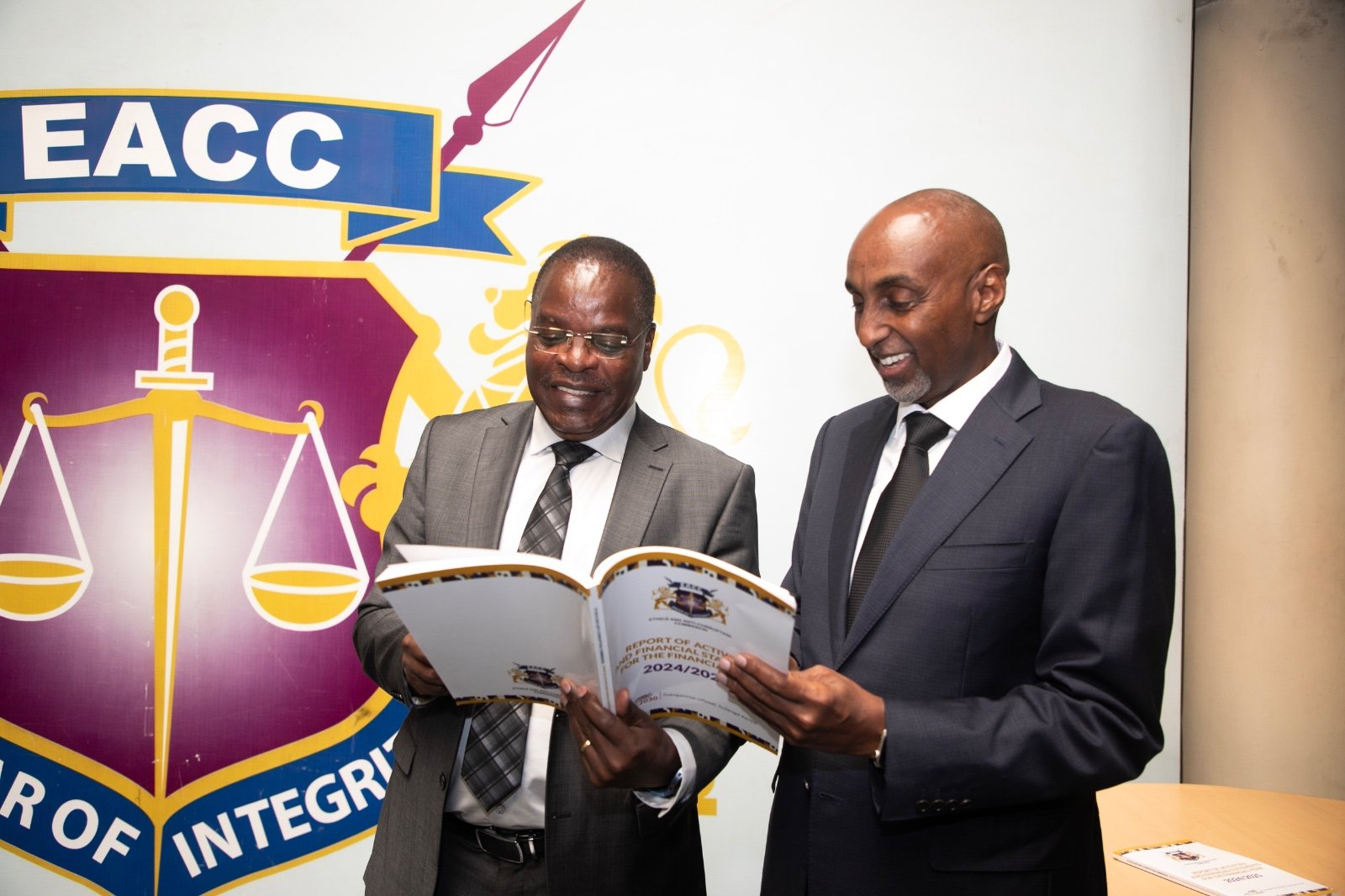
The figures, outlined in the agency’s latest annual report launched at Integrity Centre on Monday, signal a marked improvement in enforcement, investigations, and disruption of corrupt activities across the country.
The report shows that the Commission filed 79 new cases seeking recovery of ill-gotten assets valued at Sh4.8 billion, the largest number recorded in the last five years. It also recorded an increase in concluded cases from 45 to 54, alongside a rise in convictions, which climbed from 12 to 33 during the same period.
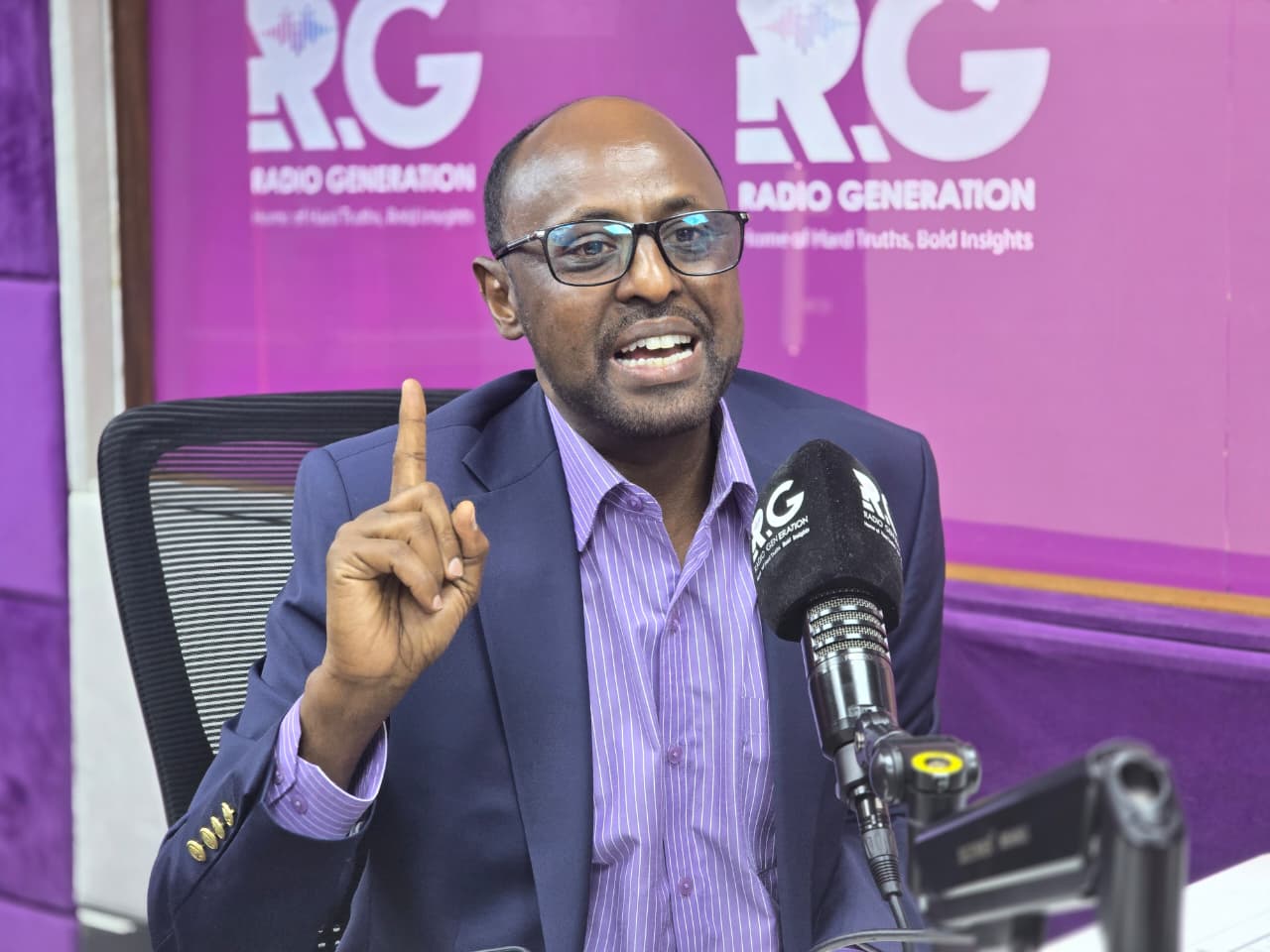
EACC Chief Executive Abdi Mohamud attributed the success to strengthened intelligence and more robust enforcement strategies.
“During the FY 2024/2025, the Commission filed 79 new cases in court seeking recovery of corruptly acquired assets… During the same period, the Commission successfully recovered assets worth Sh3.4 billion,” he said.
He further explained that early disruption operations helped stop major losses before they could materialize.
“The Commission heightened its intelligence capabilities resulting to disruptions that averted loss of Sh16.5 billion worth of public assets,” he added.
The annual review indicates that EACC received 4,183 corruption reports, of which 1,846 were picked for further investigation. The agency also conducted 166 integrity tests, contributing to the prevention of large-scale losses. Bribery emerged as the most reported offense, representing 37 per cent of all cases, with embezzlement of public funds following closely.
EACC Chairperson David Oginde highlighted that public demand for accountability has been a key factor in the agency’s gains. He linked the impact of this pressure to protests led by young Kenyans earlier in the year, which drew attention to frustrations over misuse of public resources.
“The Gen Z–led protests reminded us that corruption is not an abstract concept; it affects livelihoods, access to public services, opportunities for advancement, and ultimately, the social contract,” he said.
The report also notes progress in tracking high-value property, with Sh2.685 billion in assets preserved and 14 proactive investigations underway. EACC continues to place emphasis on legal and policy improvements, such as the Conflict of Interest Act, the Anti-Corruption Guiding Framework, and digitized public procurement through e-GP.
“These reforms affirm a simple truth: when the policy and legal environment is strengthened, the fight against corruption gains real momentum,” Oginde added.
Despite the successes, the Commission acknowledged ongoing obstacles that slow the anti-corruption drive, including weak enforcement of integrity laws, witness intimidation, institutional silos, and general public apathy.
As Kenya marks International Anti-Corruption Day on December 9, EACC called for closer cooperation between government bodies, civil society, and citizens to sustain the momentum. Oginde urged the public to remain vigilant and hold institutions accountable.
“Corruption is not inevitable, and it is certainly not invincible. But it thrives when good people stay silent,” he concluded.