The National Gender and Equality Commission (NGEC) has called for sustained political will, inclusive development, and protection of cultural heritage as Kenya marks International Minorities Day 2025.
The Commission highlighted ongoing reforms, including the drafting and recent validation of a policy and bill on ethnic minorities and marginalized communities, investments in historically underserved regions, and the establishment of the Minorities and Marginalised Affairs Unit (MMAU) under the Presidency.
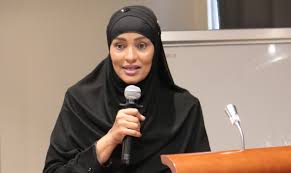
In a statement, Commission's chairperson Rehema Jaldesa emphasized that safeguarding minority rights is not only a constitutional duty but also a fundamental human right.
“This day serves as an opportunity to reaffirm our shared commitment to equality, dignity, and inclusion of minority and marginalized communities in the national development agenda,” Jaldesa said, urging Kenyans to reflect on the progress made and the challenges that remain.
She noted that minority communities in Kenya, including pastoralists, forest dwellers, fishing communities, and hunter-gatherers, continue to face structural exclusion and unequal access to opportunities.
According to the Commission, these inequalities manifest in limited access to land and natural resources, insufficient representation in governance, socio-economic marginalization, and increased vulnerability to climate change, conflict, and displacement.
Minority-dominated areas have historically seen limited investment in education, healthcare, infrastructure, and industrial development, while modernization and environmental pressures threaten traditional knowledge systems, languages, and livelihoods.
Gender-specific vulnerabilities disproportionately affect women and girls within minority communities, resulting in intersecting forms of discrimination.
Despite these challenges, the NGEC commended the Government and non-state actors for measures aimed at addressing vulnerabilities, including formal recognition of previously stateless or unrecognized minority groups.
Jaldesa called for continued efforts to ensure that infrastructure, social services, and economic investments benefit historically marginalized communities. “Renewed safeguarding of cultures and languages is vital, as they form an integral part of Kenya’s national identity,” she said.
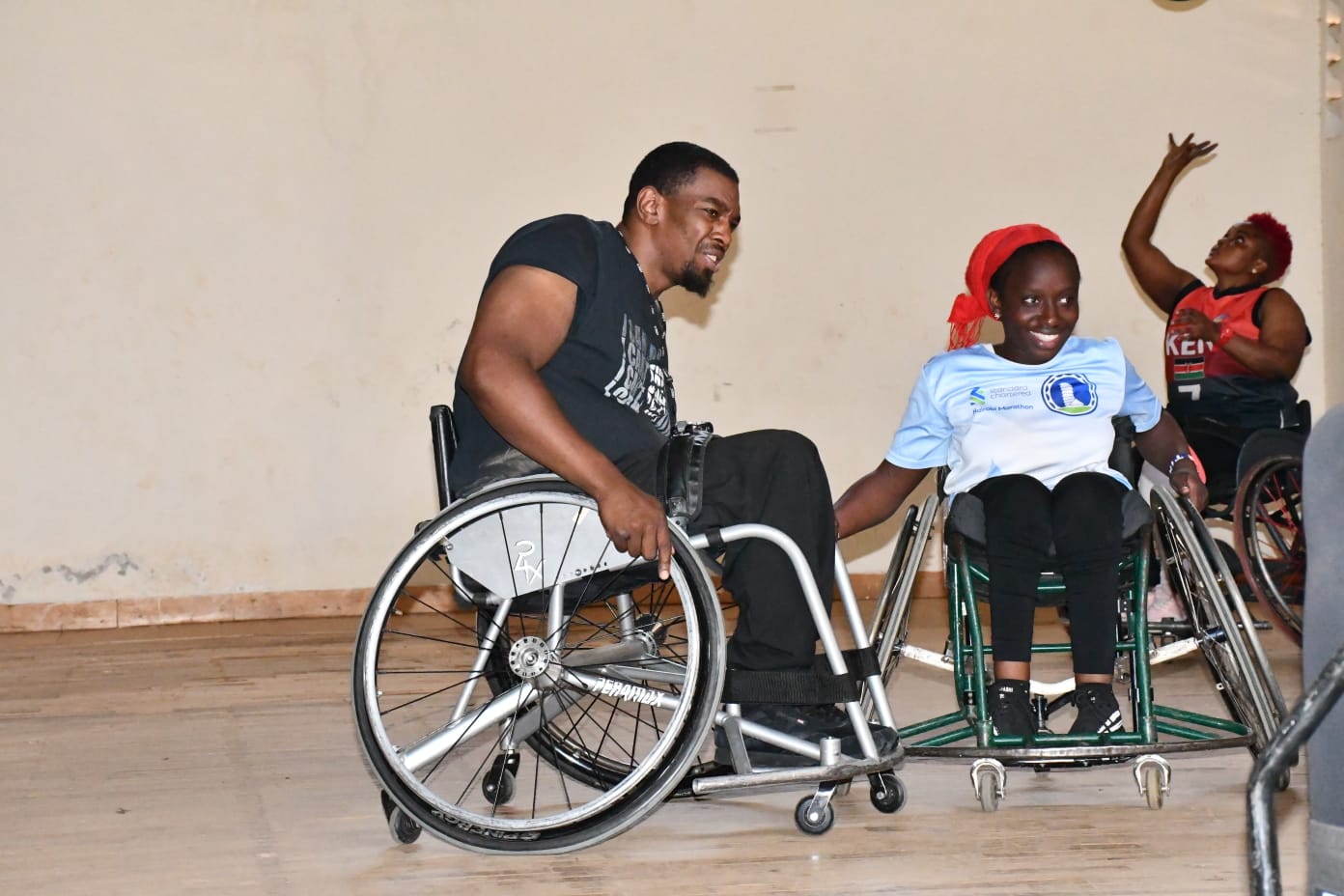
The Commission also urged increased involvement of minority organizations, particularly those representing women, youth, and persons with disabilities, in decision-making, policy creation, and leadership.
“Sustained partnerships among government, the private sector, development partners, and civil society are key to supporting sustainable development for minority communities,” Jaldesa added.