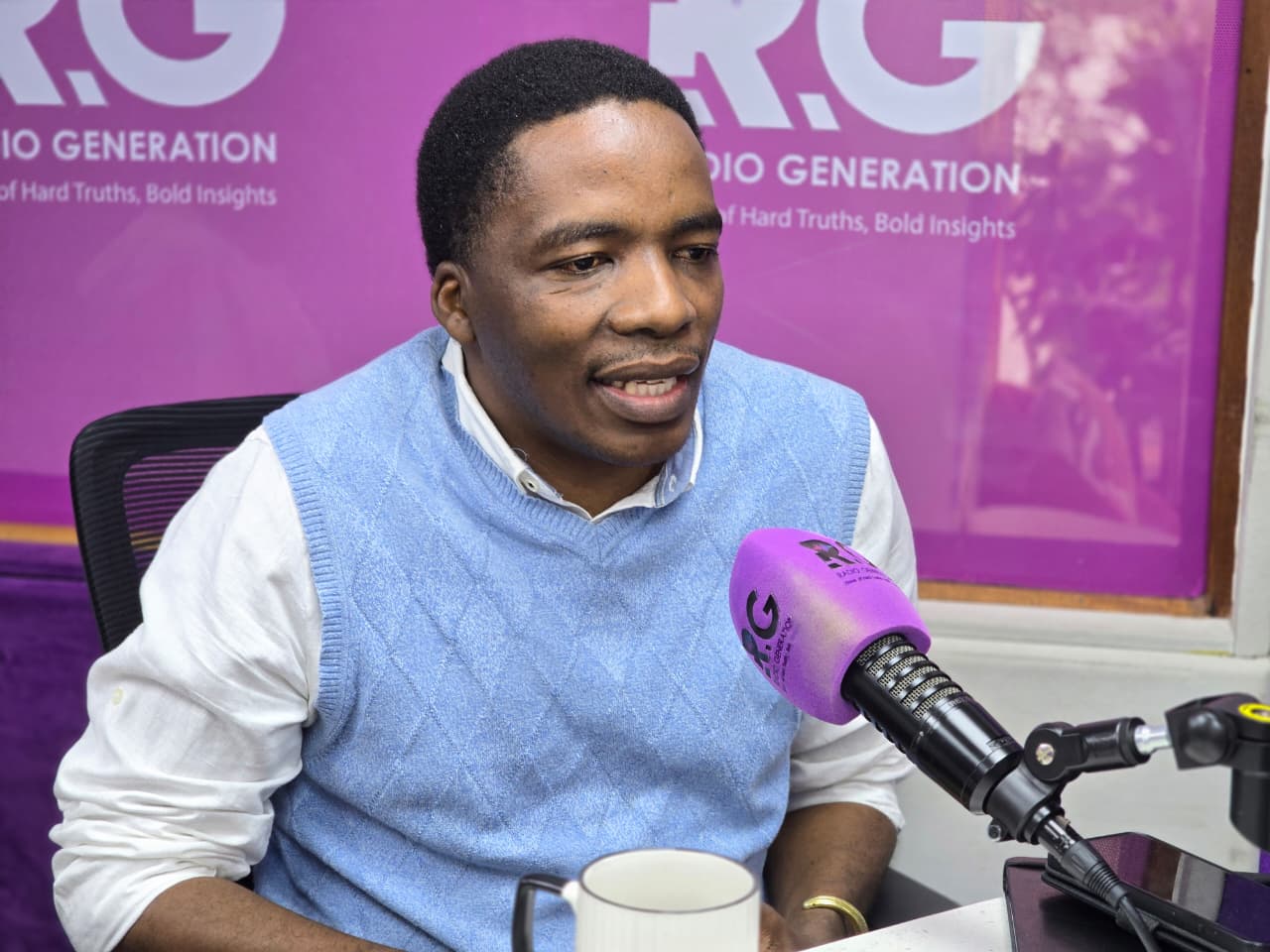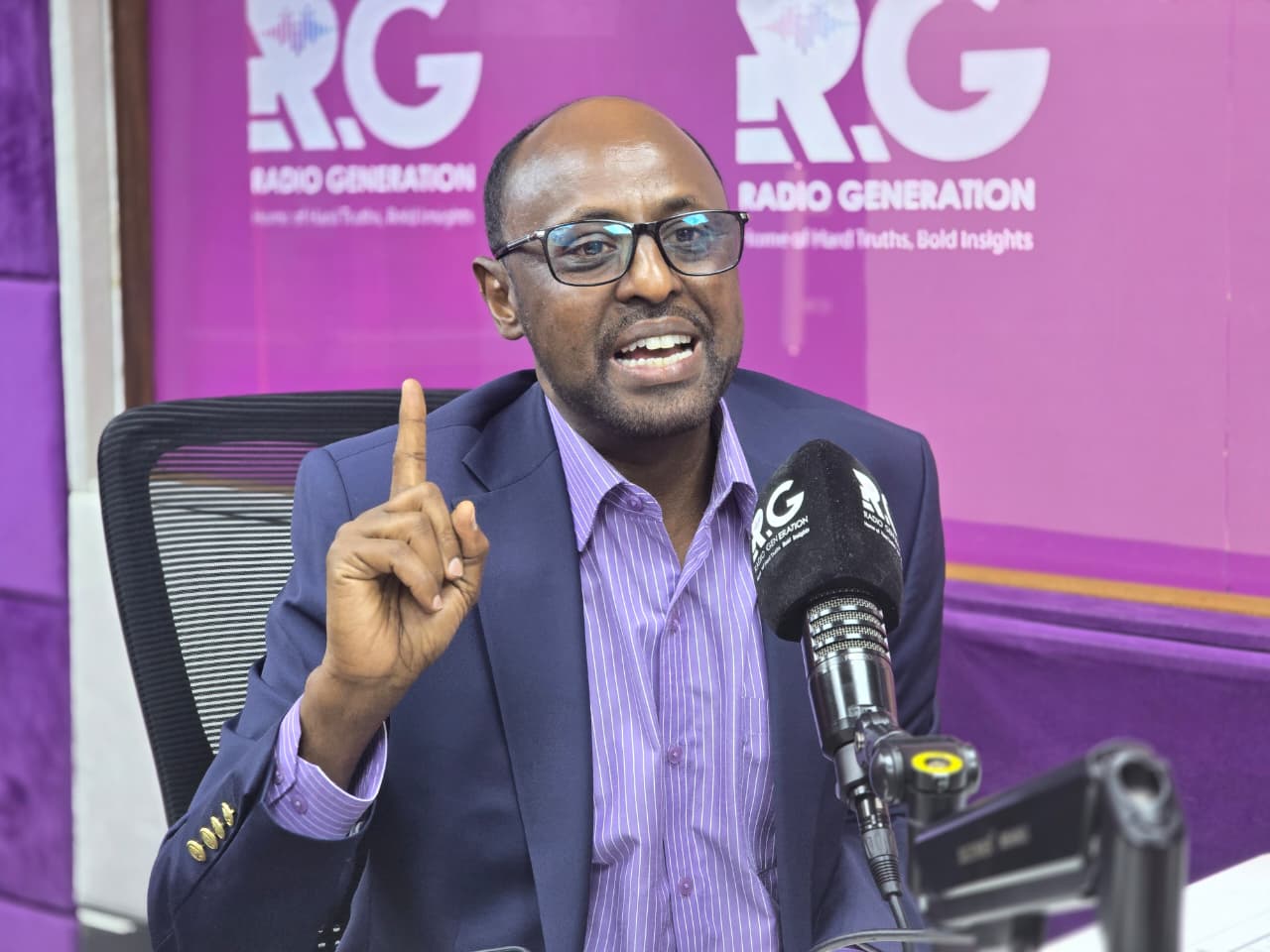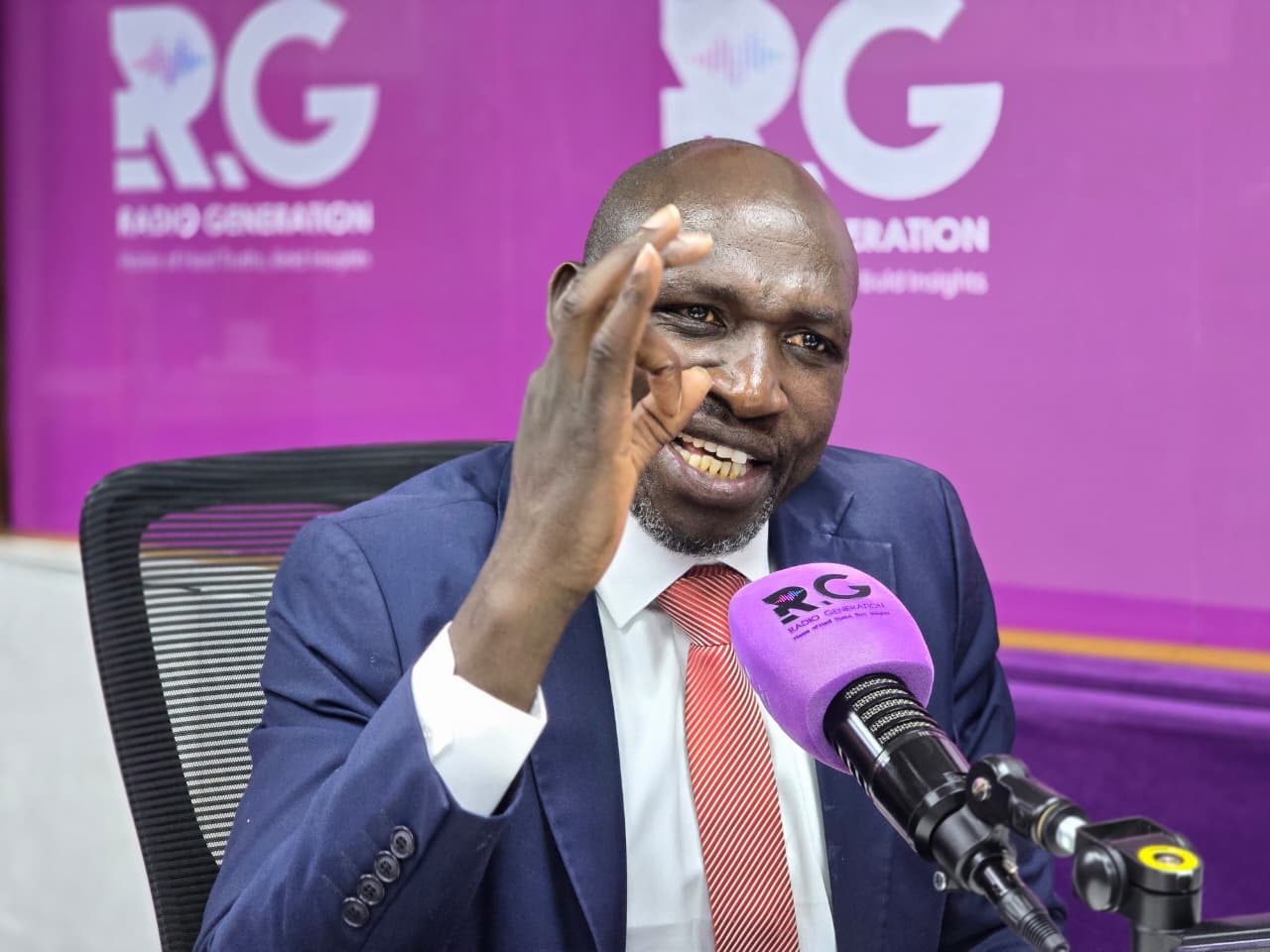
Liberal Democratic Party (LDP) presidential aspirant Professor Fred Ogola says Kenya’s challenges can’t be solved with slogans or imported ideas.
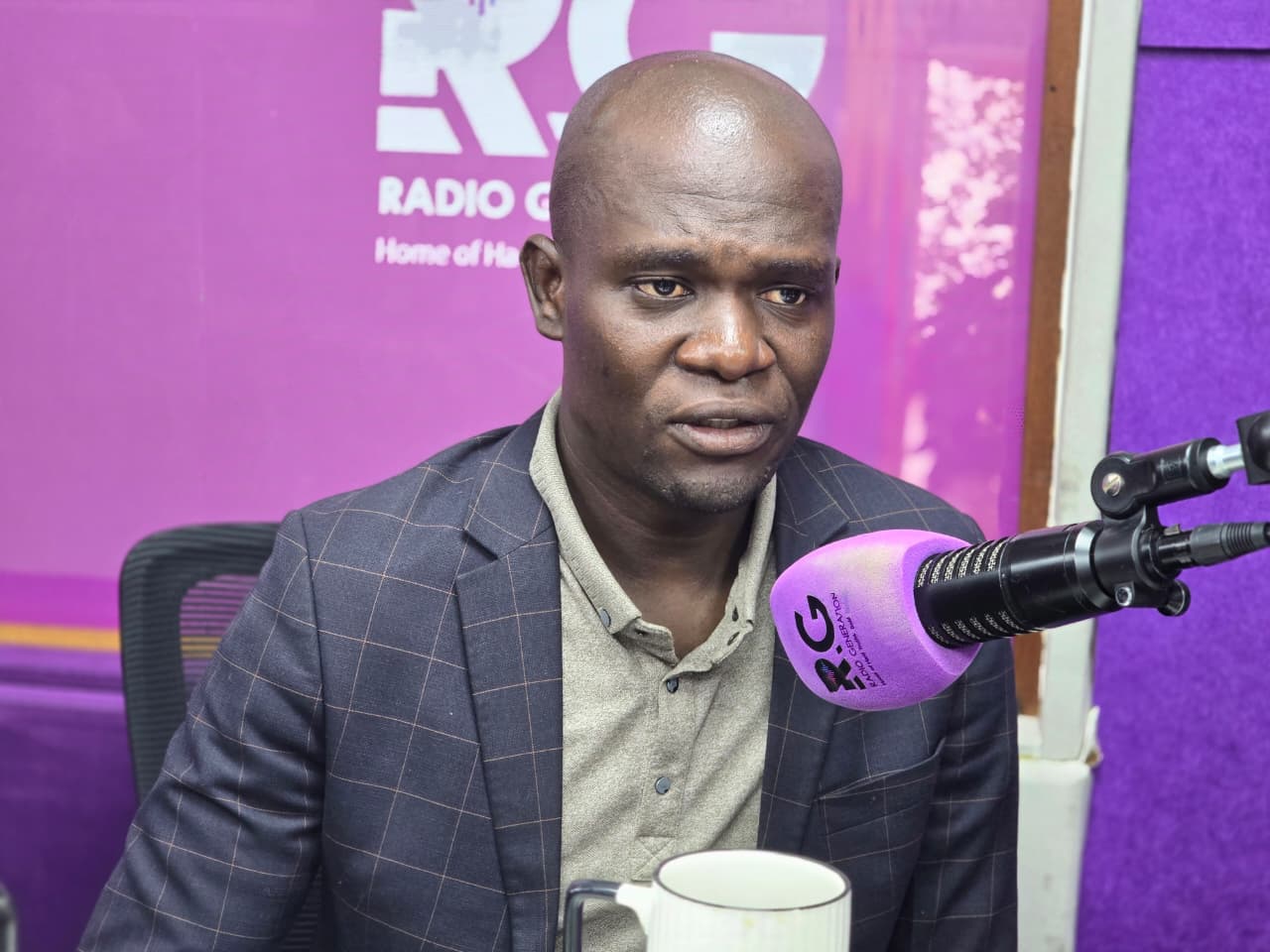
Speaking on Radio Generation Friday, he warned that instability in one African country affects its neighbours, citing East Africa as an example.
He stressed that conflict or economic collapse anywhere in the region makes peace and prosperity a shared continental responsibility.
In that context, he described the wars in Sudan and South Sudan as not only African crises but global ones.
He was particularly critical of international institutions, accusing the United Nations of focusing on managing failure rather than addressing root causes.
Drawing on his Jesuit education and Ignatian philosophy, Prof Ogola said lasting solutions require confronting why conflicts and state failure occur in the first place, not merely treating their symptoms.
Confirming his intention to run for the presidency, Prof Ogola said his candidacy was driven by love of country rather than anger or rivalry.
He outlined plans to register a new political outfit, the Hekima Alliance, with “hekima” meaning wisdom, which he described as Kenya’s most urgent need.
He said the LDP and his proposed alliance were not owned by individuals, tribes or oligarchs, but by members, and would be run on meritocratic principles rather than money or patronage.
Rejecting traditional campaign manifestos, Prof Ogola said they were little more than political propaganda.
Instead, he proposed a governance model based on “prototypes”, a process beginning with empathy, problem definition, collective ideation, piloting and constant feedback.
Under this approach, aspiring leaders, including parliamentary candidates, would be required to present practical, tested solutions rather than promises.
Turning to the economy, the Professor identified Kenya’s main problems as high public debt, unemployment, high interest rates and an unfavourable balance of trade.
He criticised the government’s affordable housing programme, arguing that it increases imports, public borrowing and interest rates without strengthening exports or domestic manufacturing.
He warned that such policies weaken the economy, put pressure on the shilling and crowd out the private sector.
Instead, he proposed a development model centred on job creation through manufacturing. He said Kenya should aim to become a workshop of the world, similar to China, by producing goods rather than importing them.
He argued that currency strength, lower inflation and reduced unemployment would naturally follow increased production and exports.
A central pillar of his vision is education reform. Prof Ogola said Kenya’s system is overly focused on certificates rather than skills, leaving many young people unemployable.
He called for expanded vocational and technical training linked directly to industry, including partnerships with global manufacturers to assemble products such as mobile phones locally.
This, he said, would provide dignified, skilled work for both graduates and those without university education.
He also challenged the political language often used by leaders, dismissing references to taking Kenya to the “First World” as misguided and historically inaccurate.
He urged Kenyans to stop measuring progress against foreign labels and instead focus on pragmatic, achievable steps that address hunger, healthcare and jobs at home.
On healthcare, he said existing national insurance arrangements were failing many hospitals, including faith-based institutions.
He cited his experience overseeing Catholic health facilities and promoting an alternative medical scheme, saying efforts to challenge the status quo had led to intimidation and personal cost.
He portrayed this as evidence of resistance to reform from entrenched interests.
Concluding his remarks, Prof Ogola called on Kenyans to reject thinking and empty rhetoric. He urged a return to practical problem-solving rooted in local realities, warning that grand visions mean little if citizens cannot afford food, access healthcare or find meaningful work.