Architects Alliance President Sylvia Kasanga has called for urgent regulatory reforms in Kenya’s construction sector, warning that weak approval and enforcement systems are putting public safety at risk.
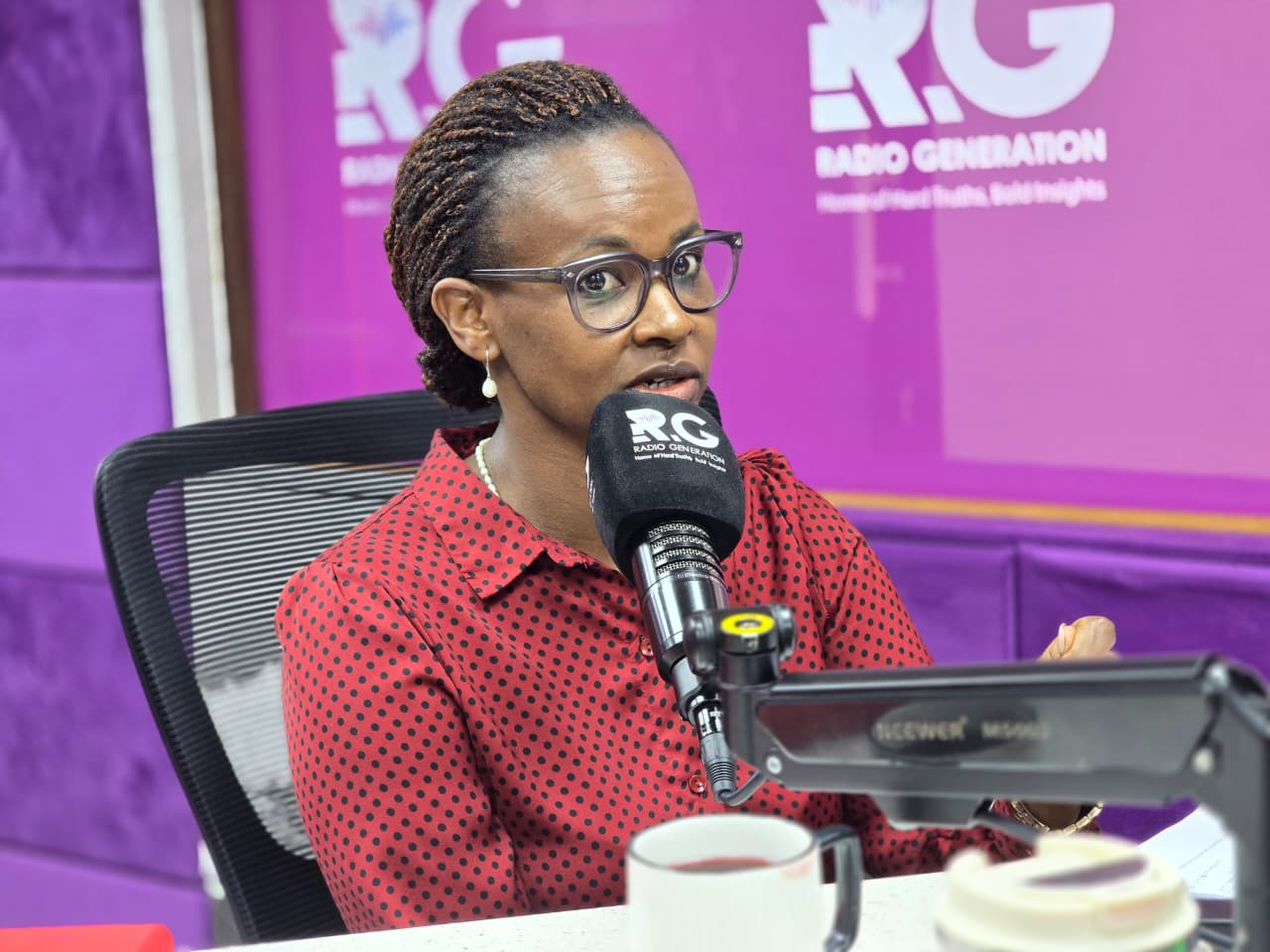
Speaking during an interview on Radio Generation on Tuesday, Kasanga said architects are legally mandated to act as custodians of public interest in construction, a responsibility that goes beyond drawing plans to safeguarding lives.
“The architect, and I want to repeat, is the guardian, legally, of public interest when it comes to the construction space,” Kasanga said.
“We don’t just draw. We design for safety, compliance with planning laws, building codes, health standards, and accessibility. This is a matter of life and death.”
Kasanga explained that the architect plays a central coordinating role, leading engineers, quantity surveyors, and other consultants from the design stage through approvals and construction supervision.
She noted that architects are also official agents of county governments, responsible for submitting drawings through approval portals and ensuring compliance with requirements from bodies such as NEMA and the National Construction Authority (NCA).
“Everybody starts with the architect,” she said. “It is the architect who bears the vision, coordinates the consultants, and ensures the planning laws are adhered to before anything goes to site.”
However, Kasanga said critical gaps exist in approvals and enforcement, partly due to weaknesses in the Physical and Land Use Planning Act of 2019, which she described as being “very silent on the role of the architect,” despite architects carrying legal responsibility for public safety.
“Whereas I am legally the custodian of public interest, the law is silent on my role and presence aapproval t offices,” she said, arguing that county planning departments should be staffed with registered architects and other professionals to properly scrutinize and enforce approved designs.
She also raised concerns over poor supervision and unethical practices, including the sale of professional stamps by registered architects to unqualified individuals.
“We have architects who sell their stamps. You don’t even know what you’re stamping, you never go to site, but your name carries the responsibility,” Kasanga said.
“That is the worst thing, and developers are complicit because they want shortcuts.”
Kasanga said rapid urbanisation has overwhelmed county planning offices, making it impossible for government inspectors alone to supervise all construction projects.
She called for stricter professional regulation and closer collaboration between county governments and professional bodies to strengthen oversight.
“We don’t even want to call it self-regulation. We want proper professional regulation,” she said, proposing the use of registered professionals to cross-check approvals and site compliance.
Referring to the recent South C building collapse that claimed two lives, Kasanga said preliminary reports indicated the addition of four unapproved floors highlighted systemic regulatory failures.
“How do four extra levels get added when they were not approved?” she asked. “That should never happen if approvals, supervision, and enforcement are working.”
Kasanga stressed that unless regulatory gaps are urgently addressed, building failures will continue to threaten lives, insisting that accountability must be restored across the entire construction chain.
Her call follows incidents of building collapse at South C and Karen, claiming four lives with nine injuries in the recent past.