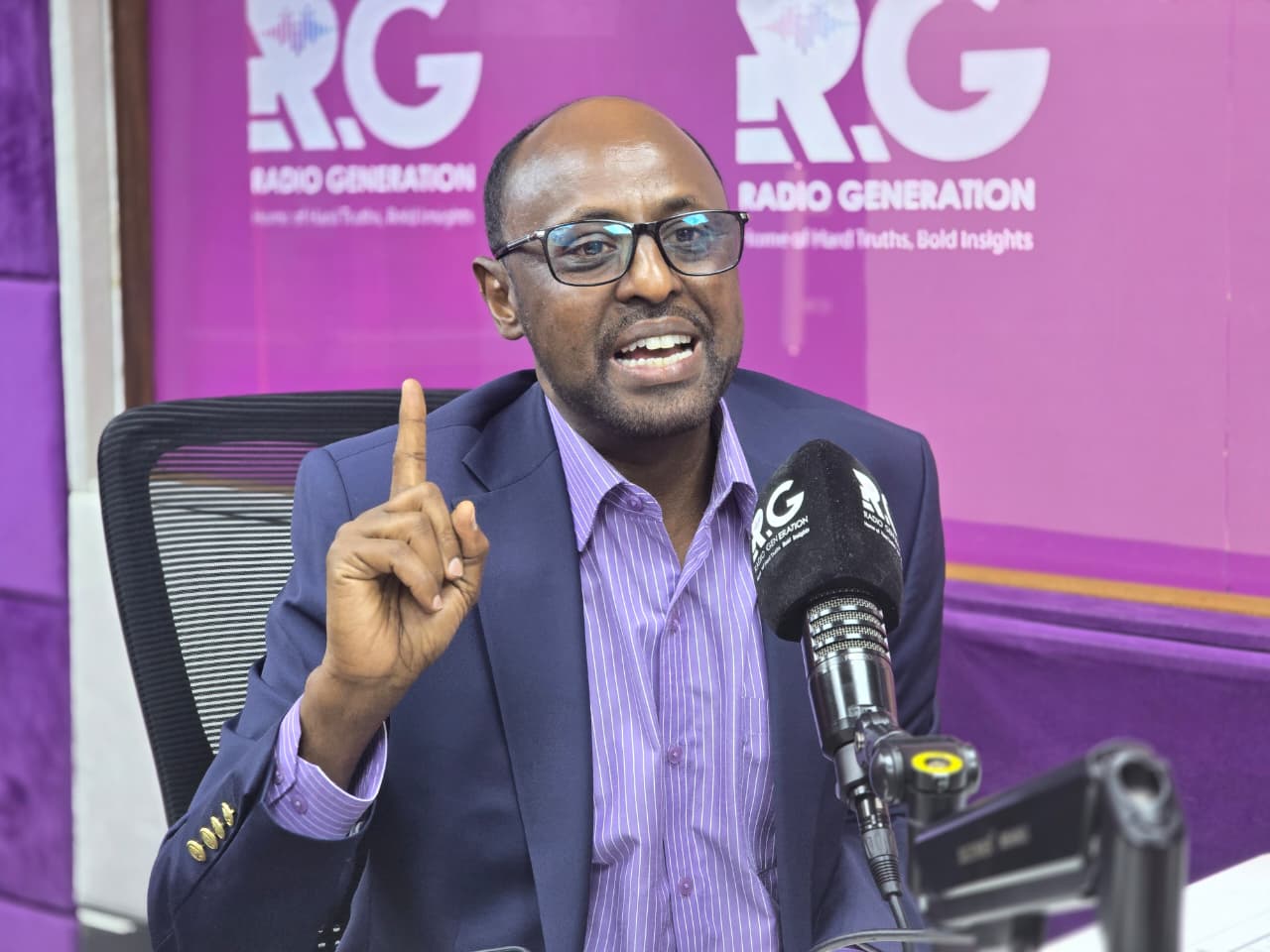
Kenyan lawmakers Babu Owino of Embakasi East and Ndindi Nyoro of Kiharu have raised concerns over President William Ruto’s push to shape the country’s economic future on the Singapore model, arguing that Kenya’s circumstances are vastly different.
The two MPs said that the nation should focus on policies suited to its population, geography, and economic conditions rather than adopting strategies from much smaller and wealthier nations.
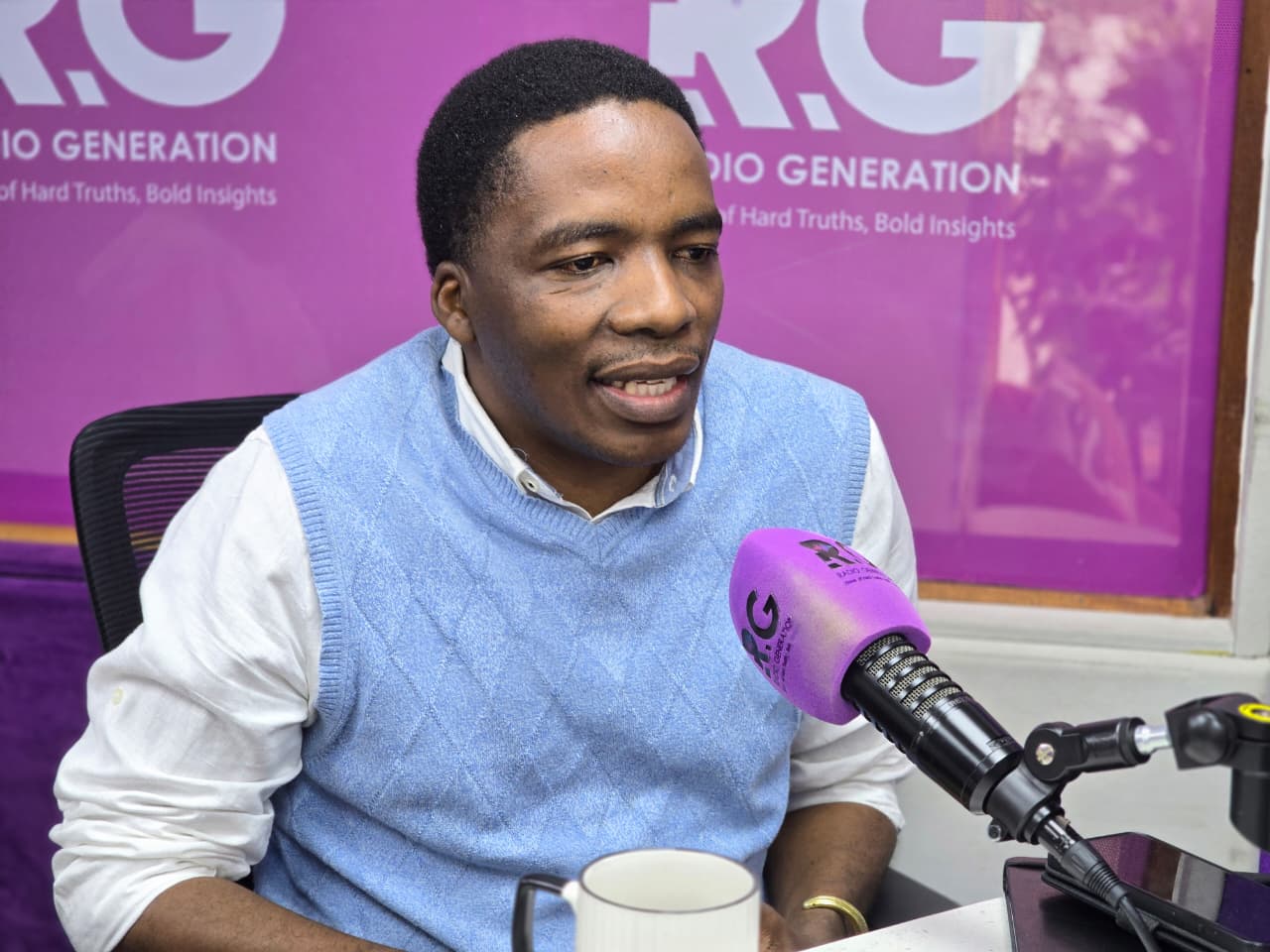
During a Wednesday interview on JKLive, Nyoro emphasized that comparing Kenya to countries with different scales and structures could be misleading.
“In economics, just to bring it in terms of real life, if you’re a banana farmer, you can’t compare how well you’re doing with another banana farmer by using oranges or pears,” he said. He stressed that meaningful comparisons should only be made between nations with similar economic environments.
Nyoro pointed out the extreme differences in wealth, noting that Singapore’s GDP per capita is about USD 90,000, while Kenya’s stands around USD 3,000.
He said Singapore’s early growth relied heavily on government involvement, highlighting the dominant role of state-linked firms such as Temasek in the Singapore Exchange. Kenya, on the other hand, is actively moving away from state-owned enterprises, a model that does not align with Singapore’s approach.
The legislator argued that Kenya’s structure and ambitions resemble South Korea more closely than Singapore, given the similarity in population sizes of roughly 50 million.
He highlighted how the Asian tiger economies first developed labor-intensive industries, nurtured private enterprise, and attracted foreign direct investment, in contrast to relying on consumer-driven remittances.
“Remittances are consumer-driven. FDI is investment-driven,” Nyoro said. He added that economic growth cannot be achieved through political favors or patronage, and that reducing corruption and improving skills and education should be the nation’s top focus.
MP Owino added that Kenya’s physical size and demographics make the Singapore model unrealistic. He noted that Singapore is only 736 square kilometers—around the size of Nairobi—while Kenya spans roughly 580,000 square kilometers.
“Kenya is about 800 times bigger than Singapore,” he said, pointing out that Kenya’s population of 58 million far exceeds Singapore’s 6.1 million. He questioned how Kenya could effectively emulate a city-state that is so small.
MP Owino also referenced Kenya’s own Vision 2030, which aimed to drive economic growth through tourism, manufacturing, and small businesses, improve social services like education and healthcare, and strengthen governance through reforms in justice and elections.
He argued that the country’s progress has been hindered by neglecting core issues such as security, police reforms, infrastructure, macroeconomic stability, and land management.
“We ran away from all that and told you about bottom up. We cannot talk about Singapore if we can't provide the basic needs to a common human being,” Owino said.
The comments by the two MPs have fueled debate over the feasibility of adopting Singapore as a blueprint for Kenya’s development, with critics insisting the government should first focus on implementing the bottom-up agenda to strengthen the nation from within.