Kenya’s rising femicide crisis is sharply shaped by age, with women and girls of different generations facing deadly risks in their homes and communities.
Between 2022 and 2024, a total of 1,639 women were killed, marking a 10% increase, according to the National Police Service.
Analysis of the data which is contained in the Technical Working group of Gender-Based Violence (GBV), including the Femicide report, reveals that women aged 30–44 bear the brunt of these killings, largely because intimate partner violence remains a leading cause.
Teenage girls are also increasingly targeted, with fatalities among those aged 15–17 rising by 4%. Even deaths among children aged 0–10 and young adolescents aged 10–14, though smaller in number, are deeply alarming.
“The home should be a safe place for women and girls, yet data shows that danger often comes from those closest to the victims,” the report highlights.
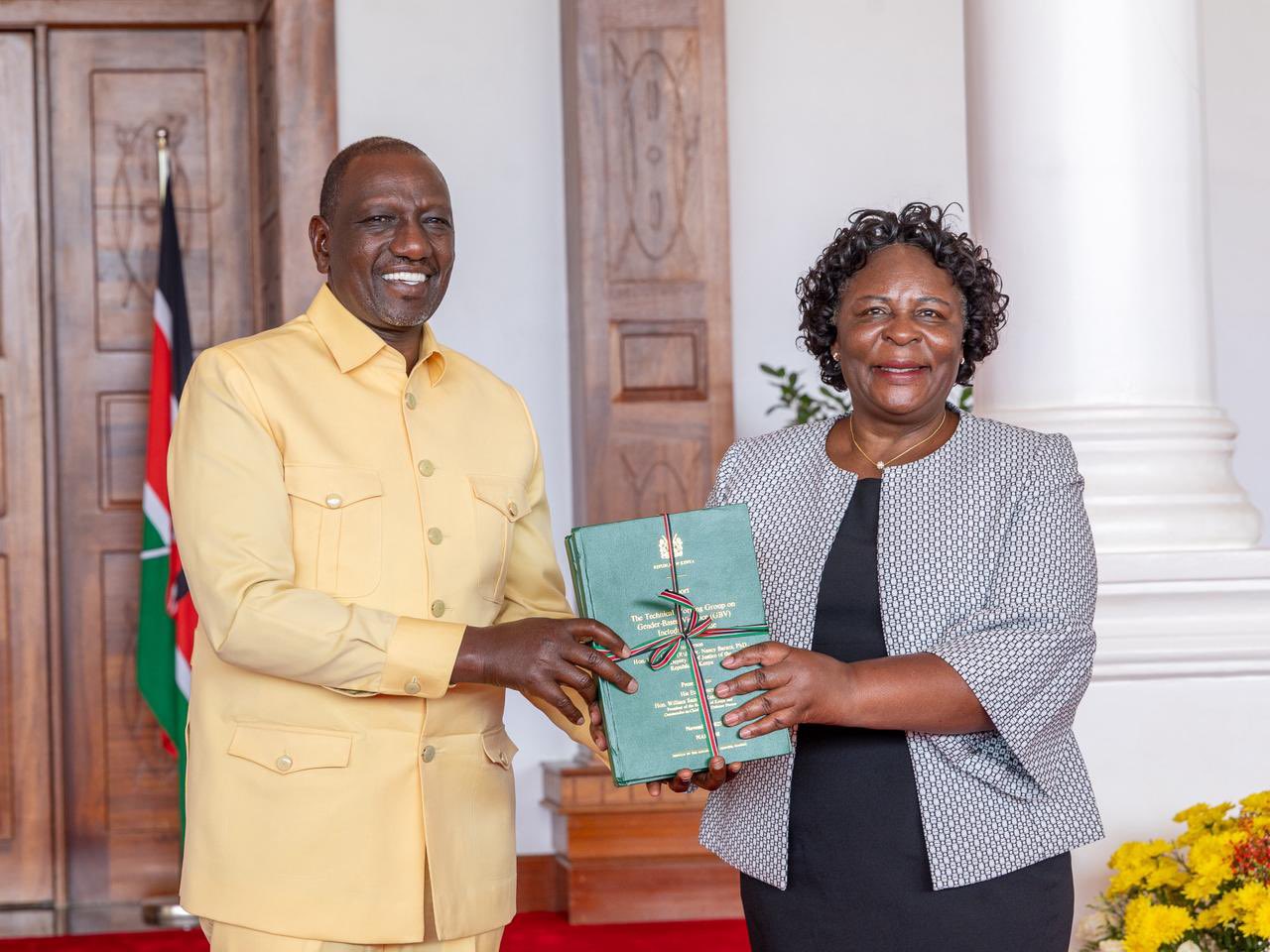
The report, which was handed over to President William Ruto on Monday by the task force chairperson, Former Deputy Chief Justice Nancy Barasa, also states that perpetrators are mostly young adults aged 18–35, responsible for 66% of cases, while boys under 18 account for 3%, showing early exposure to harmful gender norms. Experts emphasize the need for targeted prevention strategies focused on young men to curb this deadly trend.
The relationship between victims and offenders underscores a grim reality: husbands were responsible for 40.15% of femicides, while 77% of killings were committed by someone known to the victim. Only 22.5% involved strangers, indicating that the highest risk is domestic or from people within the victim’s social circle.
Geographically, Nairobi, Meru, and Nakuru report the highest numbers of femicide cases. Nairobi recorded 53 cases, Meru 52, and Nakuru 42 in 2023–2024.
Some counties, including Garissa, Lamu, and Mandera, reported no cases, highlighting gaps in institutional reporting.
Africa Data Hub shows 677 femicide cases in Kenya from 2016 to 2024, with numbers surging from 53 in 2022 to 82 in 2023 and 127 in 2024 — a 48.5% increase in just one year.
Discrepancies between data sources are stark. The National Police Service reported 535 cases in 2023 and 578 in 2024, highlighting the need for harmonized and integrated reporting on GBV and femicide.
“The disparities in data reveal a national blind spot,” the report warns, calling for a unified database to guide targeted interventions and policy.
The statistics show a grim truth: women and girls, from teenagers to adults, remain most vulnerable in spaces that should protect them. Without urgent action, including better reporting, monitoring, and age-specific prevention programs, the number of lives lost is likely to continue rising.