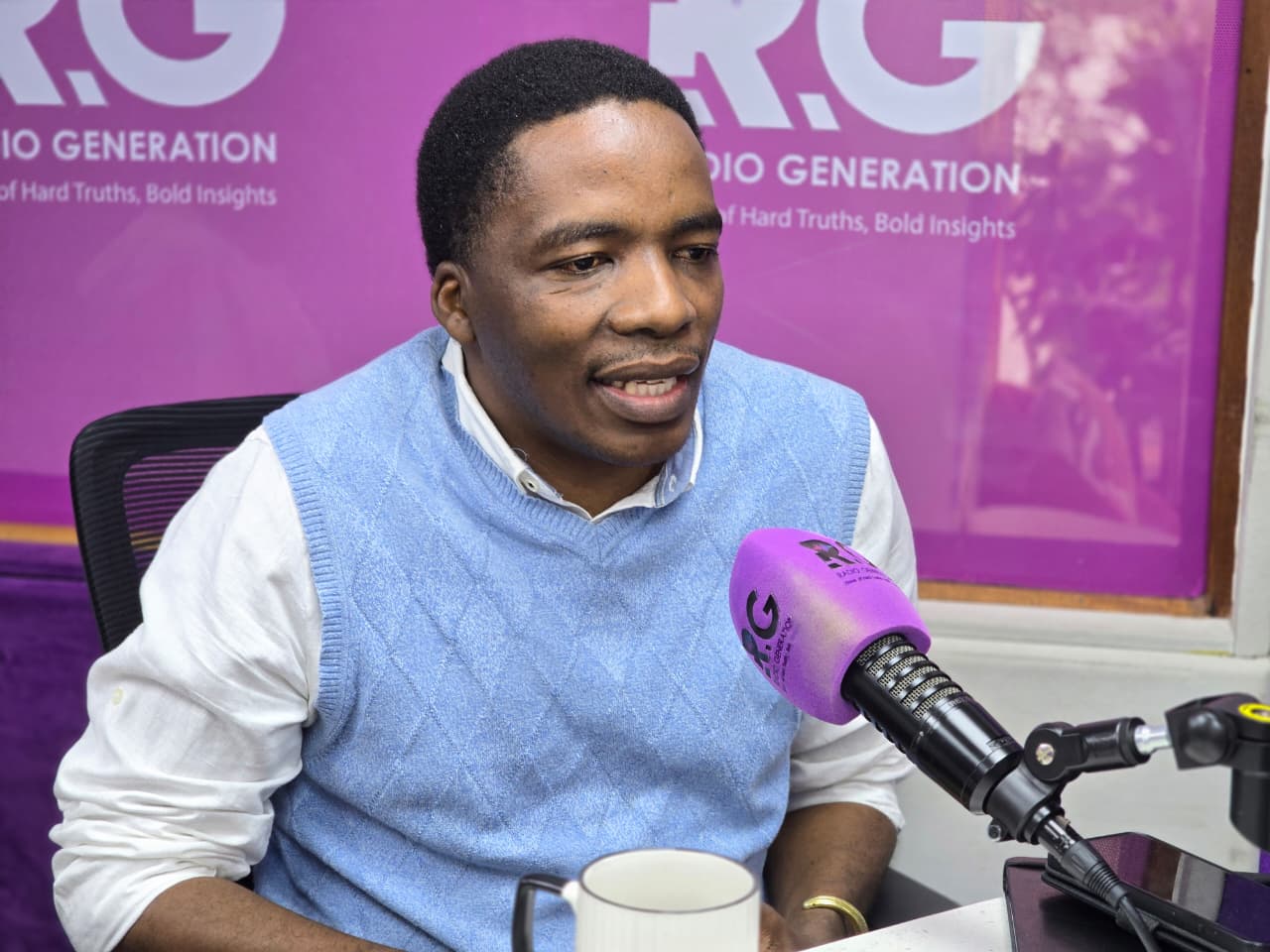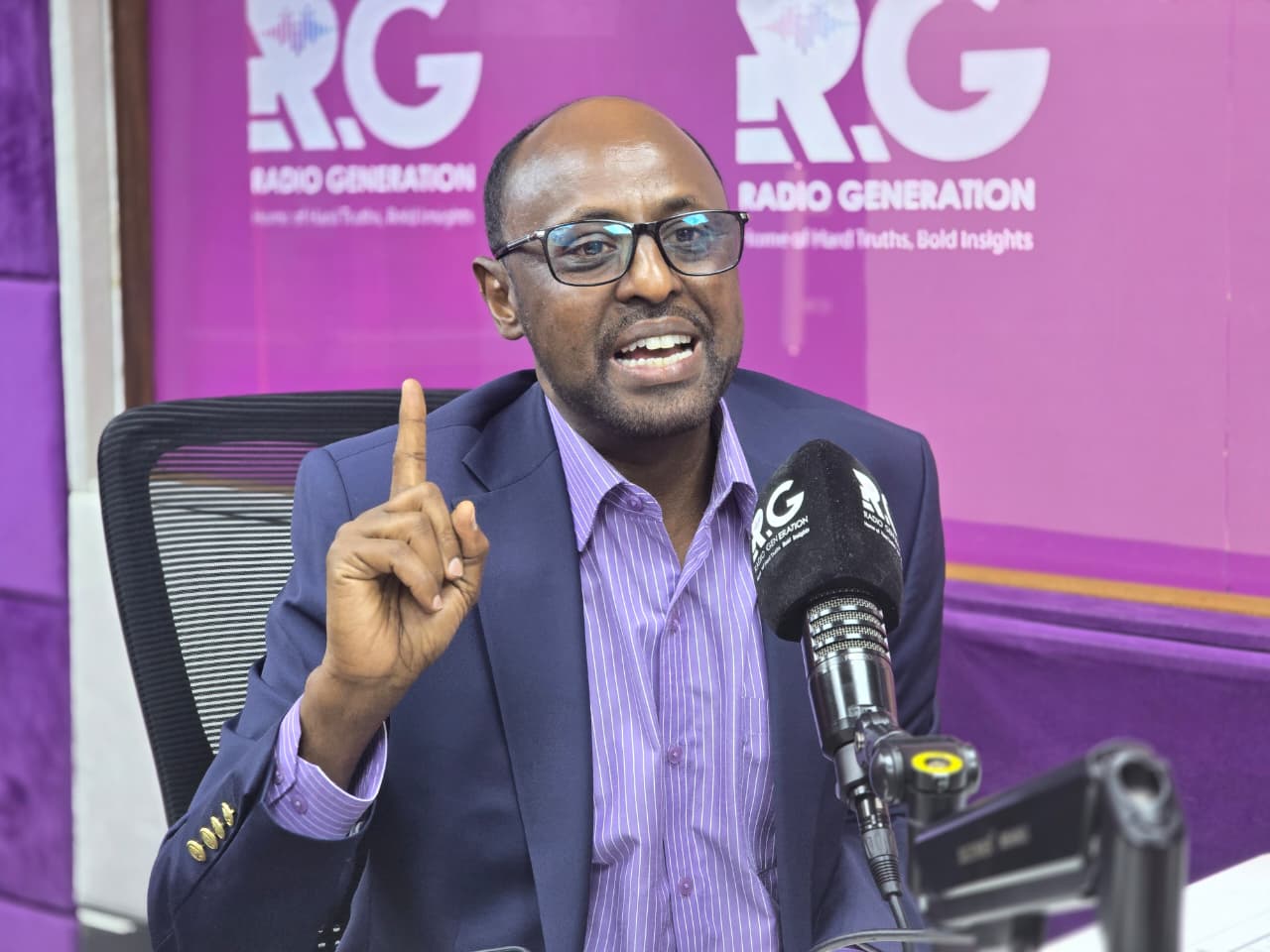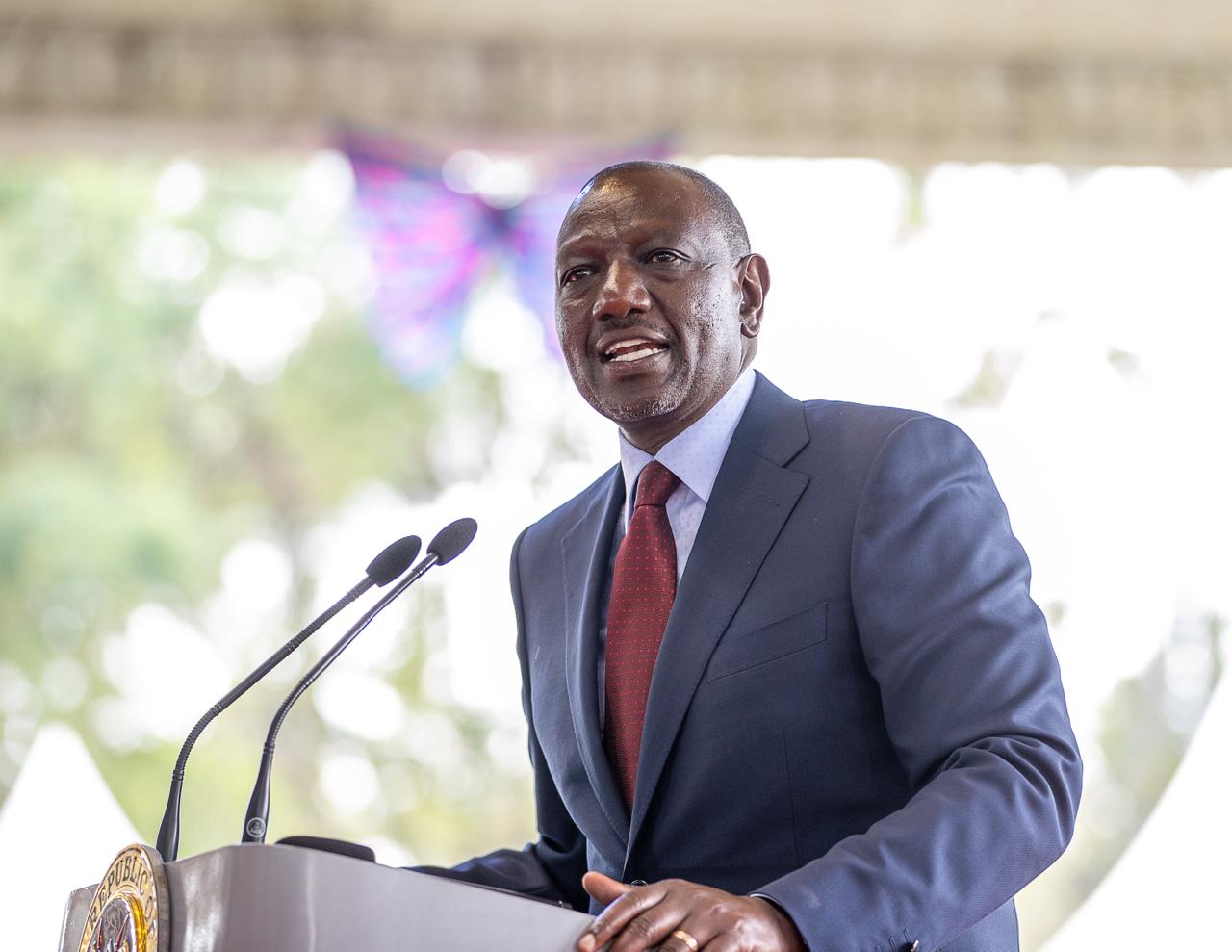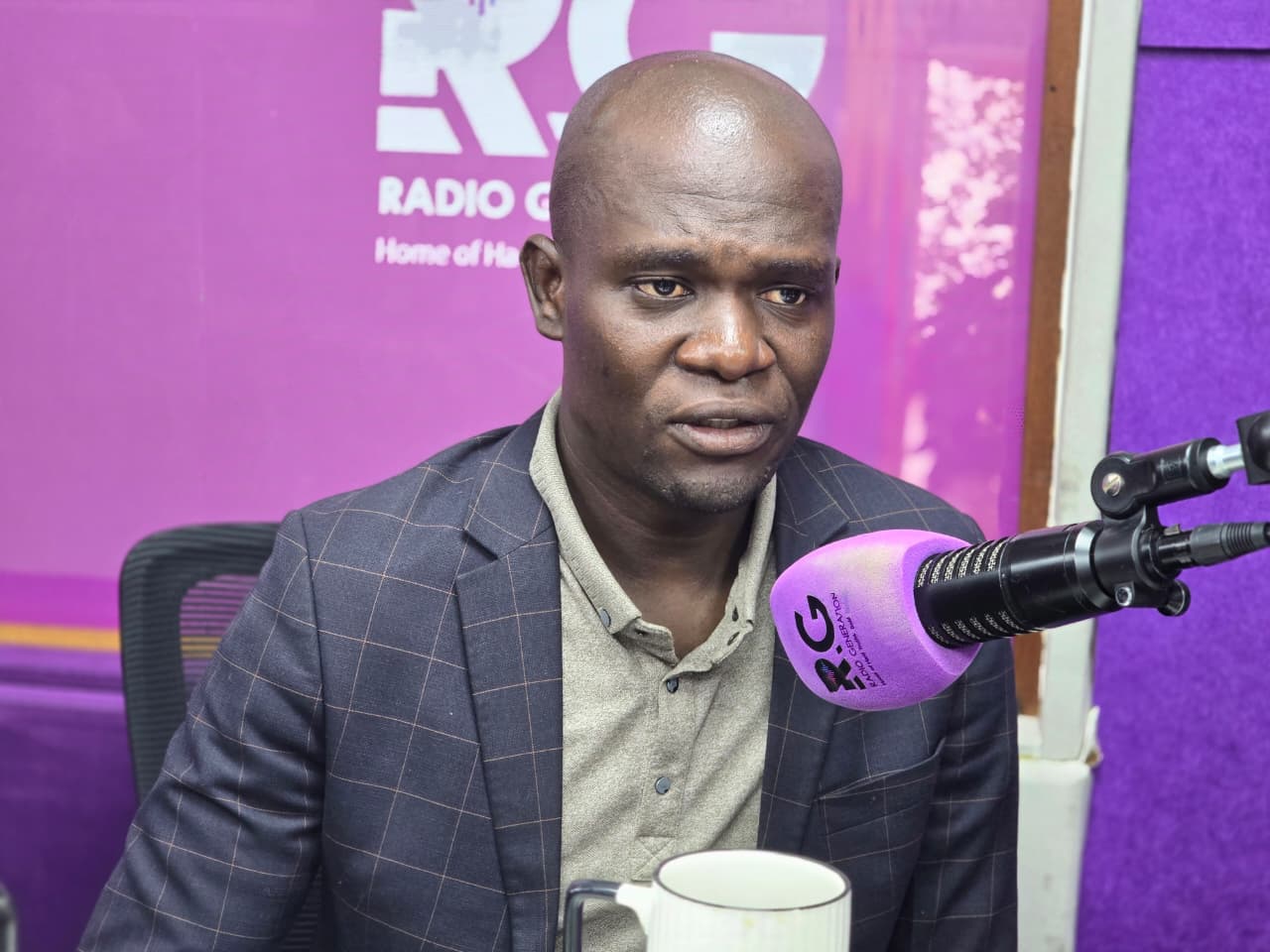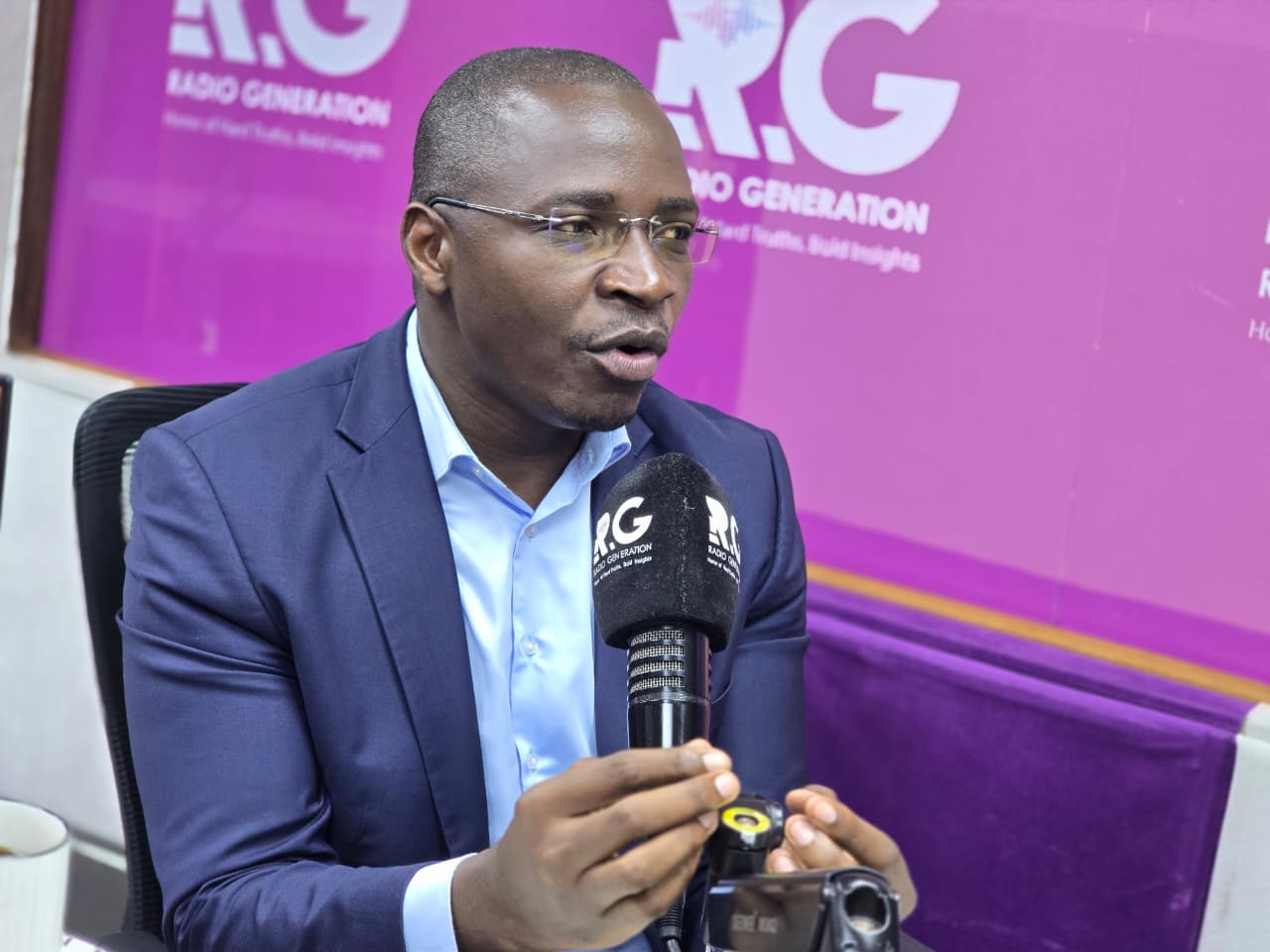
Progress Plus Alliance Party leader Arnold Maliba claims the National Infrastructure Fund is President William Ruto’s biggest controversy, set up to bypass Kenya’s budget process and parliamentary oversight.
He argues it enables unchecked public asset sales and serves as a slush fund for election campaigns, threatening both the country’s democracy and financial transparency.
Speaking on Radio Generation on Thursday, he emphasized that the Fund is not primarily about infrastructure development but about budget evading parliamentary oversight and also making money.
The Fund was created in late 2025 under the administration of President William Ruto as a new financing vehicle to fast‑track the country’s infrastructure development and reduce reliance on borrowing and taxation.
The fund was formally approved by the Cabinet in December 2025, with a plan to mobilise Sh5 trillion towards key national projects.
It was structured as a limited liability company, designed to act as a central engine for deploying financial resources to priority sectors such as transport, energy, water and sanitation, and regional connectivity.
President Ruto and senior officials said the fund will leverage domestic resources, proceeds from privatisation, public savings and private capital to finance long‑term development without repeating debt‑driven models of the past.
According to government statements, the objective is to attract substantial private investment, potentially drawing ten shillings from investors for every shilling contributed and to ensure continuity in project funding beyond annual budget cycles.
Maliba said it was crafted to give the executive unfettered control over public funds without the usual checks and balances.
“The president seeks to bypass the budgeting process as we know it and as established by law,” he explained.
“He wants to have a pot of money where he can actually deepen his hand and pick at will with little supervision.”
The leader pointed out that the fund’s creation followed a controversial amendment to the Privatization Act, passed by parliament in November 2025, which allows the Cabinet and Privatization Authority to dispose of public assets without parliamentary approval.
“This is a situation where the cabinet can proceed in disposal of public assets, and then come back and report to parliament after we saw that we could sell this,” he said. “And that is what we are doing with the money that was paving way for the National Infrastructure Fund.”
He criticized the government’s aggressive marketing of the NIF as a non-debt solution, calling it misleading and dangerous.
“Debt does not cease to be debt just by renaming it. Debt is defined by who is supposed to pay,” Maliba said.
“In this particular instance, we will be hedging sale of public assets, including future revenue, so you are spending tomorrow to be solvent today.”
The PPA party leader also framed the fund in the context of the upcoming 2027 elections, accusing the president of using it as a source for populist programs and campaign financing.
“The regime is running out of time,” he said. “We are facing an election in 18 months. The president needs money, so what is he going to do? He has to buy votes.”
Addressing the issue of presidential wealth, Maliba questioned the origins of Ruto’s fortune and suggested that political figures in Kenya commonly amass wealth without clear productive business activities.
“Other than me not knowing how President William Ruto made his billions, one of us don’t,” he said. “He has never worked outside of public service in all of his life.”
He contrasted the fortunes of politicians with genuine industrialists, highlighting the shrinking industrial base in Nairobi and the importance of tax contributions as a measure of wealth and production.
“The best way to actually know if somebody is producing wealth is to look at their tax remittance,” he said. “So why would we be having people rated as among the wealthiest, but they don’t beat Safaricom or EABL in paying taxes?”
He criticized parliament itself, blaming lawmakers for surrendering their oversight powers and failing to protect public resources.
“Parliament cedes its power to oversight the disposal of public assets, something that is very sensitive,” He stated. “If we were to start having a conversation about parliament, it will be too late here. The horses have already bolted.”
He recalled how parliament had passed the Finance Bill in 2024 despite public opposition to increased taxation and gave President Ruto a standing ovation when he temporarily voided the decisions.
“So we cannot come here and say that we have got a parliament,” Maliba said. “If there is anything we do not have as a people of Kenya, it is parliament. We are on our own.”
He urged the media and the public to raise awareness and challenge the National Infrastructure Fund, calling it a threat to Kenya’s democracy, transparency, and fiscal responsibility.
“Parliament was not established as a decoration in the Constitution,” he said. “Representation in Parliament is the first row of our democracy, and we must protect it.”
With the fund’s continued promotion and the looming elections, Maliba’s claims adds urgency to a debate about Kenya’s financial governance and the limits of executive power.