Diaspora Affairs PS Roseline Njogu says 530,000 Kenyans have secured verified jobs abroad in three years under a structured labour mobility plan.
She also details a penalty waiver negotiated with India to help visa overstayers return home without paying thousands of rupees in fines.
“In the last three years, we’ve been able to see 530,000 people find jobs,” she said on Wednesday on a Radio Generation interview.
“These are people whose names we know, ID numbers. We know which country you’re in, where you’re working.”
The PS said the overseas placements are part of a three-pronged employment strategy aimed at tackling unemployment among Kenya’s youthful population.
These placements were facilitated through labour mobility initiatives, including the Kazi Majuu programme launched in March 2023 to tackle youth unemployment by linking workers to verified jobs abroad.
Official figures show that hundreds of thousands of Kenyans have secured employment overseas under these state‑led efforts.
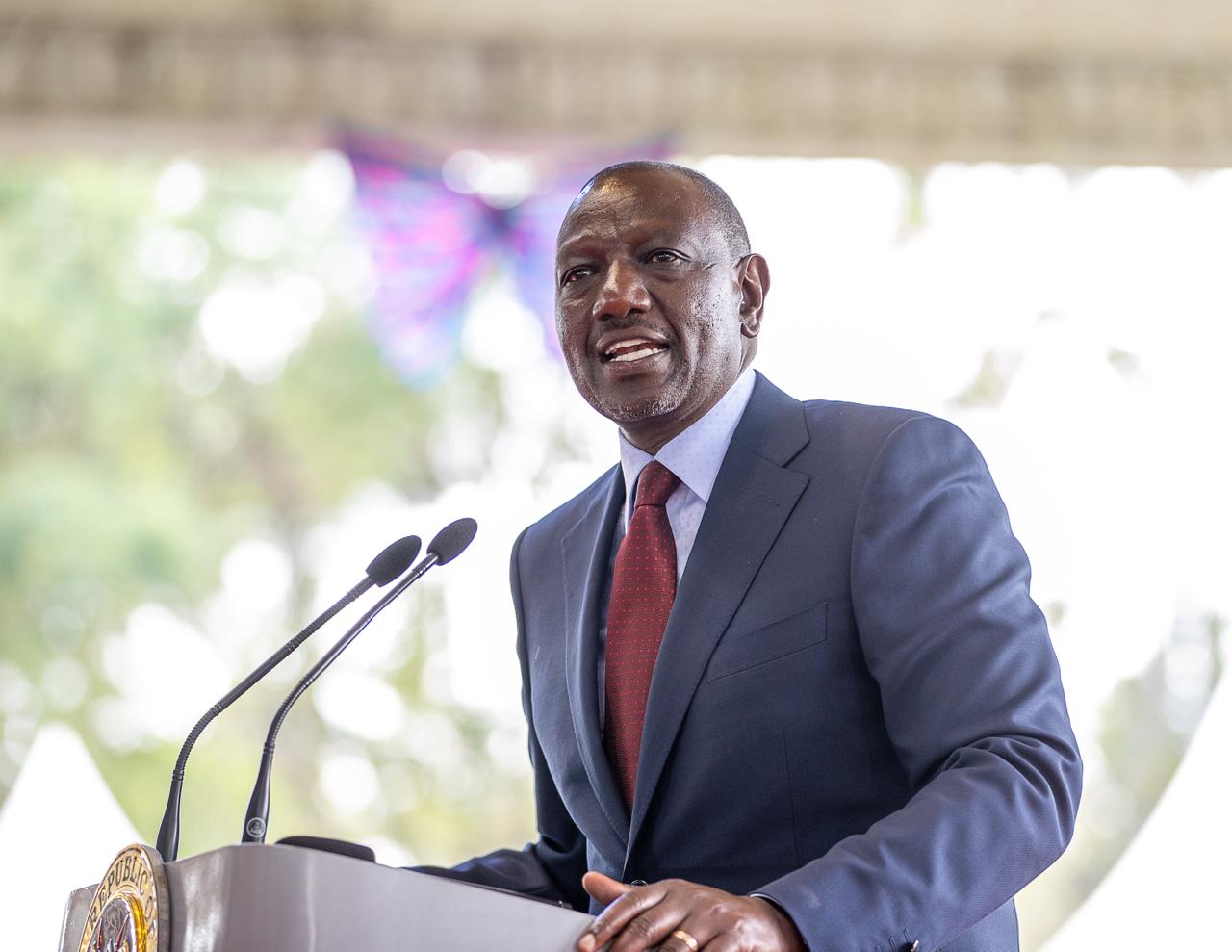
President William Ruto reported that over 430,000 Kenyans had found jobs abroad through the programme by mid‑2025.
Earlier government data also noted that more than 200,000 placements were secured since June 2024, with strong demand from destinations such as Saudi Arabia, Qatar, the UAE, and Europe.
Recruitment drives, bilateral labour agreements, and national job fairs have been part of this strategy, which targets both skilled and unskilled workers.
Authorities say negotiations with additional countries could open opportunities for millions more Kenyans in the coming years.
On reports of Kenyans detained in Kerala, India, over visa issues, PS Njogu said the government had negotiated a penalty waiver with New Delhi after discovering that many had overstayed their visas.
“We negotiated with New Delhi, and we asked for a waiver. There has been a waiver now in place for several months,” she said.
She further explained it that you don’t have to pay the 1000s of rupee that you should pay to be allowed to leave the country. The penalty is waived.
She said once visas lapse, migrants become vulnerable. “Once you're in a country beyond your visa, you become vulnerable. You're there illegally, and you're vulnerable to trafficking, you're vulnerable to all kinds of things. You can be arrested.”
According to the PS, the Kenya High Commission in Delhi reached out directly to affected citizens. “They were called, they were texted, they were WhatsApp. We even offered tickets to a number of them. Basically, free bus fare. I will get you out,” she said.
However, she added that some declined assistance. “There are Kenyans who quite simply refused to move,” she said. “If you choose to stay then choose to stay. It cannot now begin to become a consular issue while you have chosen to live like this.”
She said the ministry documented its outreach efforts, “I’m a lawyer, so I have paper. I have receipts. We wrote to you, we texted you, we called you,” she said, adding that if the waiver window lapses, individuals would need to meet the costs themselves.
Addressing concerns about trafficking and fake recruitment agencies linked to Cambodia and Thailand, Njogu distanced the government’s programme from such cases.
“These things of Cambodia, Thailand and so on, that is not happening with licensed agents,” she said. “It is happening with outsiders who are masquerading as agents.”
She urged Kenyans to verify agencies through official channels. saying it is easy to find who is a licensed agent, who has been blacklisted, whose license has not been renewed. She further said that individuals have to take control of their own migration journey.
On domestic employment, she said the government’s main focus remains job creation at home, citing the affordable housing programme. “We now have about half a million people working in affordable housing.”
She also referenced the hiring of 100,000 teachers and incentives in export and special economic zones.
“We have put in place the infrastructure,” she said. “We have rolled out 1000s of kilometers of fiber optic cables. Kenya has some of the fastest internet anywhere in the world.”
The PS said negotiations with online platforms mean Kenyans who monetize content get paid a little more than our neighbors are paid.
She described "Kazi Majuu" as a structured overseas employment backed by policy and regulation. She says, “As a responsible government, we must do four things: we must create a policy around this space. We must regulate the space. We must safeguard people. We must facilitate people.”
She emphasized that the Kenyan government also recognizes the mutual qualifications of its citizens by engaging the diaspora nations to acknowledge our professions.
“If you're going to be a journalist in Malta, how do we make sure that Malta recognizes your journalist qualifications?” she asked.
This mutual recognition ensures both quality and safety in reporting, fostering trust between the media and the public.
Alongside regulation, the government plans to provide resources and training programs, helping professionals adapt to Malta’s legal and ethical frameworks.
She concluded that Kenya's goal is a balanced approach, protect citizens, support journalists, and promote a media landscape that is both credible and dynamic.