Bangladesh has held its first general election since student-led protests ousted Prime Minister Sheikh Hasina in 2024.
With her Awami League banned and more than 2,000 candidates contesting, voters are also deciding on constitutional reforms as security is tightened nationwide.
The poll held on Thursday marks a pivotal moment for the South Asian nation, which has been navigating political uncertainty since the mass demonstrations that forced Hasina from office.
According to the United Nations, as many as 1,400 protesters were killed during the uprising. Hasina has been accused of directly ordering the crackdown, an allegation she denies.
More than 2,000 candidates are vying for seats in parliament in what is being seen as a reset of the country’s political landscape. Notably absent from the ballot is Hasina’s Awami League party, which has since been banned.
The election pits the centre-right Bangladesh Nationalist Party (BNP) against a coalition led by the Islamist Jamaat-e-Islami. The coalition has joined forces with a party born out of the student uprising that reshaped the nation’s politics in 2024.
Voters were also casting ballots in a referendum on constitutional changes proposed by the interim government. The reforms are intended to address a completely broken political system.
Nearly a million police and soldiers have been deployed nationwide to maintain law and order, underlining the high stakes and lingering tensions surrounding the vote.
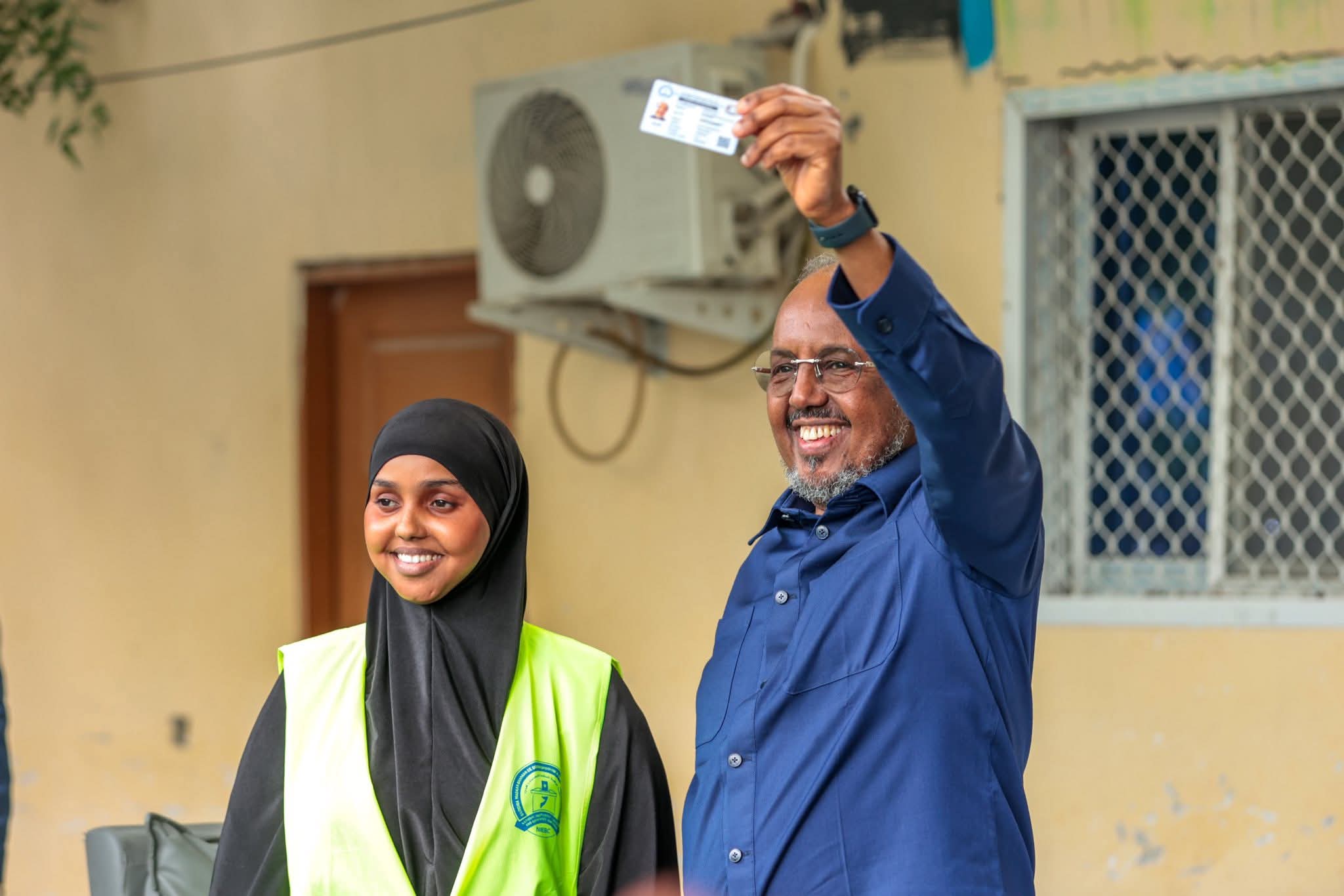
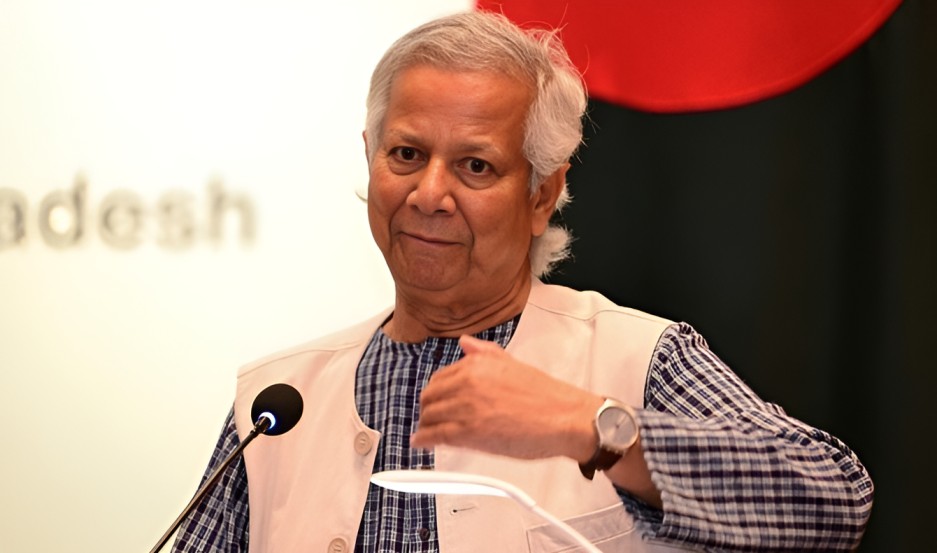
Polling day saw voters queueing in the capital, Dhaka, and across the country’s towns and villages. Among those casting their ballots were the interim leader Muhammad Yunus and the two leading candidates.
Yunus voted in Dhaka, as did BNP candidate Tarique Rahman and Jamaat-e-Islami leader Shafiqur Rahman.
Speaking after voting, Yunus declared that the country had ended the nightmare and begun a new dream.
His remarks reflected a sense among supporters of the interim administration that the election represents a turning point following months of upheaval.
The student-led protests that erupted in 2024 were driven largely by younger voters, many from Generation Z, who mobilised in large numbers against the government. The unrest ultimately led to the fall of one of the country’s most dominant political figures.
The banning of the Awami League has significantly altered the electoral landscape. With one of Bangladesh’s historically major parties absent, the contest has become a direct struggle between the BNP and the Jamaat-led alliance, alongside numerous independent and smaller party candidates.
Observers say the referendum on constitutional reform could prove just as consequential as the parliamentary vote. The interim government argues that structural changes are needed to prevent a return to the political crises that have marked recent years.
Security remains tight across the country. The deployment of nearly one million members of the police and armed forces is aimed at preventing violence and ensuring a peaceful counting process.
Results are expected on Friday, when it should become clearer which political force will shape Bangladesh’s next chapter.
For many voters, the election is not only about choosing representatives but also about redefining the direction of the nation after a period of deadly unrest and political transformation.
With ballots now being tallied, attention turns to whether the outcome will deliver stability and whether the promise of having ended the nightmare and begun a new dream will resonate across a country still emerging from crisis.