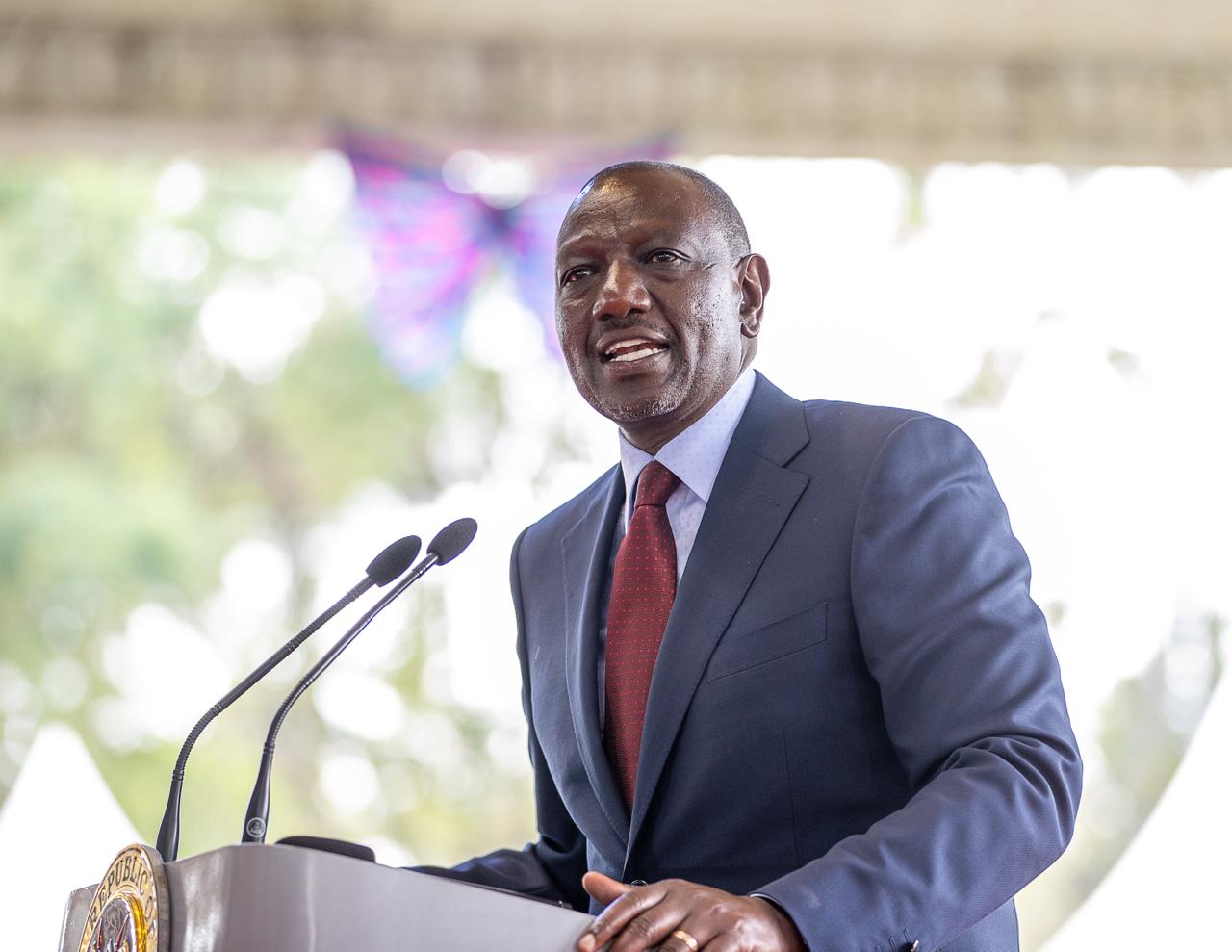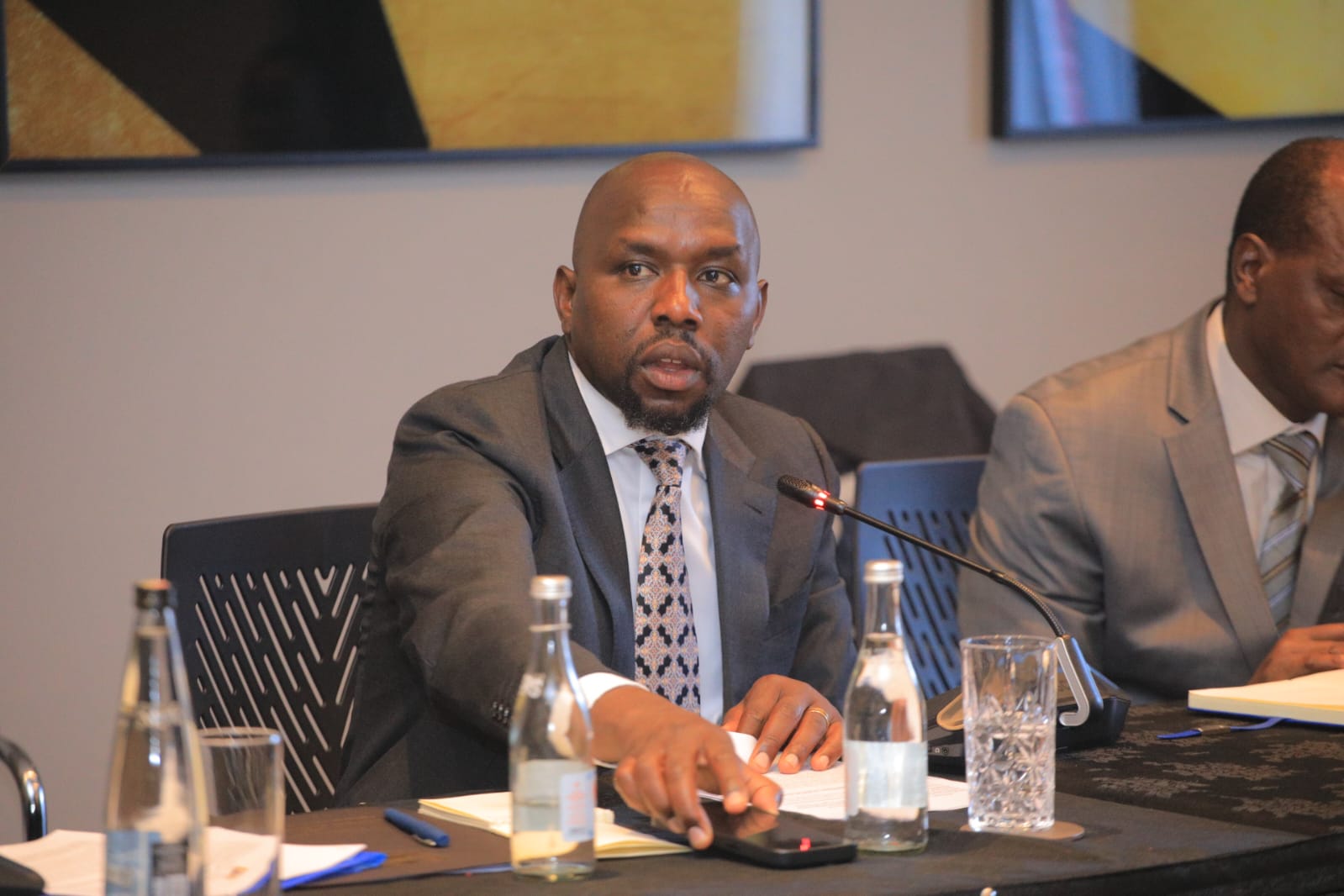
Police officers who turn up for duty while drunk or under the influence of drugs will be removed from the service after undergoing rehabilitation, Interior Cabinet Secretary Kipchumba Murkomen has declared, signalling a hard line on discipline within the force.
Appearing before Members of Parliament on Thursday, Murkomen said the government will no longer look the other way when officers compromise public safety through alcohol or substance abuse.
He stated that although those battling addiction will be assisted through treatment programmes, they will not continue serving in the disciplined forces once the process is complete.
“Those who are addicted to alcohol will be taken to rehabilitation centres. However, if you are within the disciplined forces, you must accept that we will take you for rehabilitation, give you your dues and discharge you,” Murkomen said.
He narrated an incident where an Officer Commanding Station attended a security briefing while intoxicated. Junior officers, he said, noticed his condition but felt powerless to raise concerns because of his senior position.
To curb such cases, Murkomen disclosed that he has tasked Inspector General of Police Douglas Kanja with putting in place clear procedures to prevent drunk officers from being assigned responsibilities.
“The IG will develop a framework to ensure that no officer will be deployed when drunk,” he added.
The discussion was prompted by Majority Leader Kimani Ichung’wah, who referred to a fatal shooting in Karatina in which a police officer killed a businessman.
Murkomen told lawmakers that taking an officer to court after such an incident does not fully address the root problem. He described officers struggling with alcohol and drug dependency as a burden to the service and warned that those facing serious mental health challenges, whether personal or family-related, should not be placed in situations that require sound judgment.
Recent events in Nandi County also came up during the session. In January, officers were captured on video assaulting youths at a pool venue, drawing public outrage after it emerged that they had faced only administrative sanctions. Nandi Senator Samson Cherargei criticised the ministry over the decision not to dismiss the officers outright.
Murkomen insisted that station commanders will carry responsibility for any misconduct by officers serving under them, particularly where alcohol or drugs are involved.
“It is not enough that the officer was charged and arrested; the OCS must be held accountable,” he said.
Away from internal discipline, the Cabinet Secretary also cautioned about growing political activity as the country moves toward the 2027 general elections. He warned that early campaigns and mobilisation efforts carry risks if not properly managed.
“The country is experiencing heightened political activity ahead of the 2027 general elections, carrying inherent security risks, particularly from criminal elements and hired goons whose tool of trade is violence against opponents,” he said.
He observed that rallies, grassroots drives and shifting political alliances are raising temperatures in various regions, with harsh statements and misleading information adding to tension.
In response, Murkomen outlined measures aimed at strengthening security nationwide. These include the recruitment and training of 10,000 police constables for deployment across the country, revival of community policing structures, and closer collaboration with regional and international security bodies such as Interpol.
He said officers will continue to undergo refresher training to enhance professionalism and readiness, while special operations will be informed by risk mapping and assessment of potential flashpoints.
Murkomen further warned that organised criminal gangs, largely made up of unemployed youth in urban centres and densely populated estates, remain a threat that security agencies must confront firmly.