The Office of the Attorney-General has raised key legal and constitutional considerations surrounding the approval process of the Field Development Plan (FDP) and Production Sharing Contracts (PSCs) for oil exploration blocks in Turkana County.
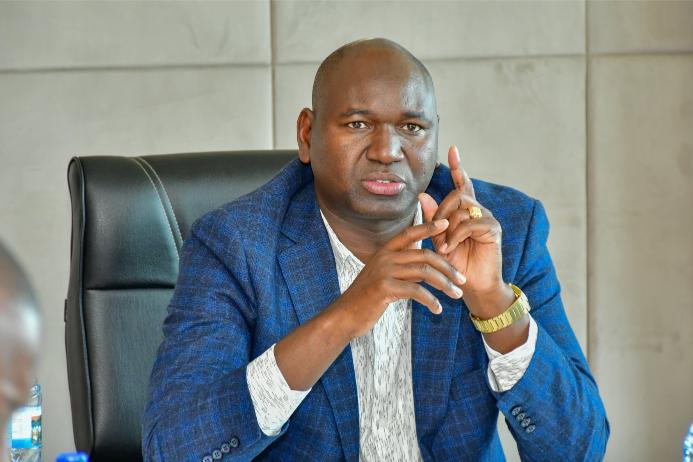
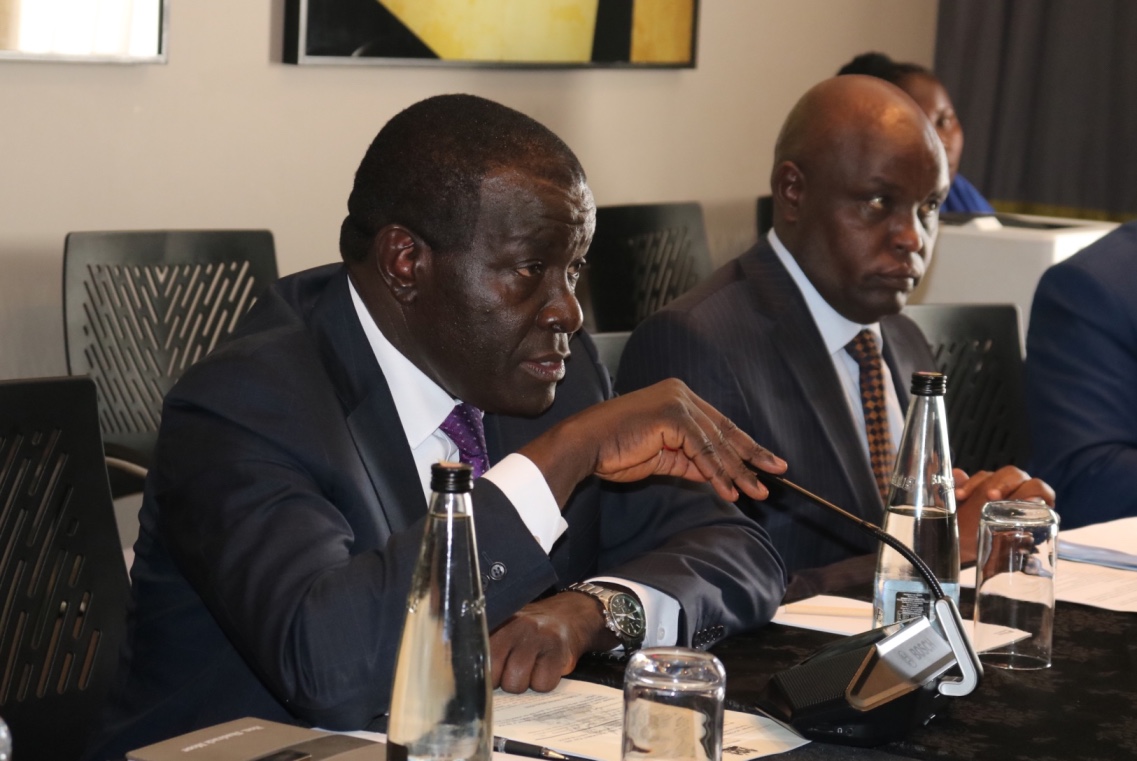
Appearing on behalf of the Attorney General, the Solicitor General Shadrack Mose told the joint energy committee that the PSC was initially signed in 2007 and 2008 under the repealed Petroleum (Exploration and Production) Act, saying that it remainslegally binding under transitional provisions of the Constitution and Section 128 of the Petroleum Act, 2019.
Mose has said that the contractors seeking to begin petroleum production must first secure approval of the FDP from the Cabinet Secretary responsible for energy, after which the development framework must be submitted to Parliament for ratification within sixty days.
"Section 31 on ratification by Parliament provides that the Cabinet Secretary shall,l within thirty days of the approval of a field development plan submitted in accordance with the terms of a production sharing contract entered into under this Act," he said.
"Parliament shall, within sixty days after the receipt of the production sharing contract and the field development plan, rectify or refuse and refer the documents back to the cabinet secretary for reconsideration, stating the reasons for the refusal."
The Solicitor General cautioned against the introduction of fiscal concessions through PSC addenda without parliamentary involvement, noting that provisions affecting taxation or public revenue must comply with Article 210 of the Constitution.
"Article 210 of the Constitution provides that no tax or licensing fee may be waived, varied, or exempted except as provided by legislation. Fiscal concessions, expanded cost recovery definitions, or tax stabilization provisions introduced through PSC Addenda cannot lawfully take effect unless authorized by statute and processed in accordance with the Public Finance Management Act," Mose said.
"In our opinion, fiscal concessions in the name of GoK enablers and cost implications should be provided in a separate non-binding Head of Terms that is aligned to the FDP to all the relevant Ministries, Departments, and agencies for them to plan and budget accordingly to avoid the risk of GoK being dragged in several litigation or arbitration cases."
Mose told the lawmakers that the legacy petroleum agreements remain enforceable and exploitation rights tied to the FDP cannot lawfully take effect without Parliament’s approval.
"Exploitation rights may only be exercised after the constitution requirements of ratification have been satisfied, and changes to fiscal provisions must comply with Article 210 of the Constitution and applicable legislation," the Solicitor General warned.