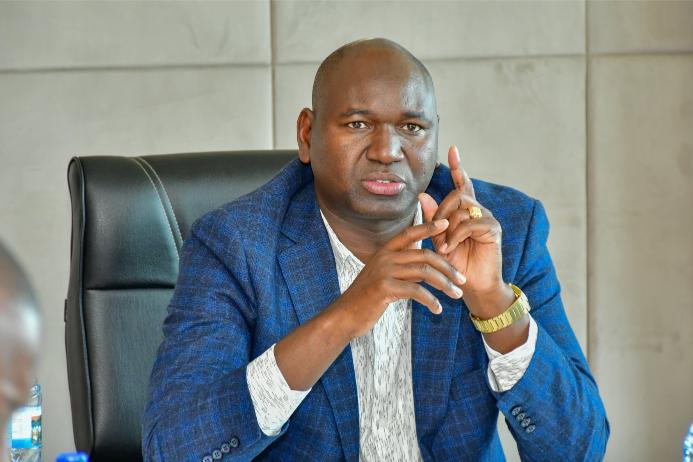
LDP Presidential Aspirant Prof Fred Ogola has unveiled “Solomonic economics”, a knowledge-based development model urging Kenya to leapfrog traditional economic stages, reject manifesto politics, and embrace meritocracy as the foundation for governance ahead of the 2027 elections.
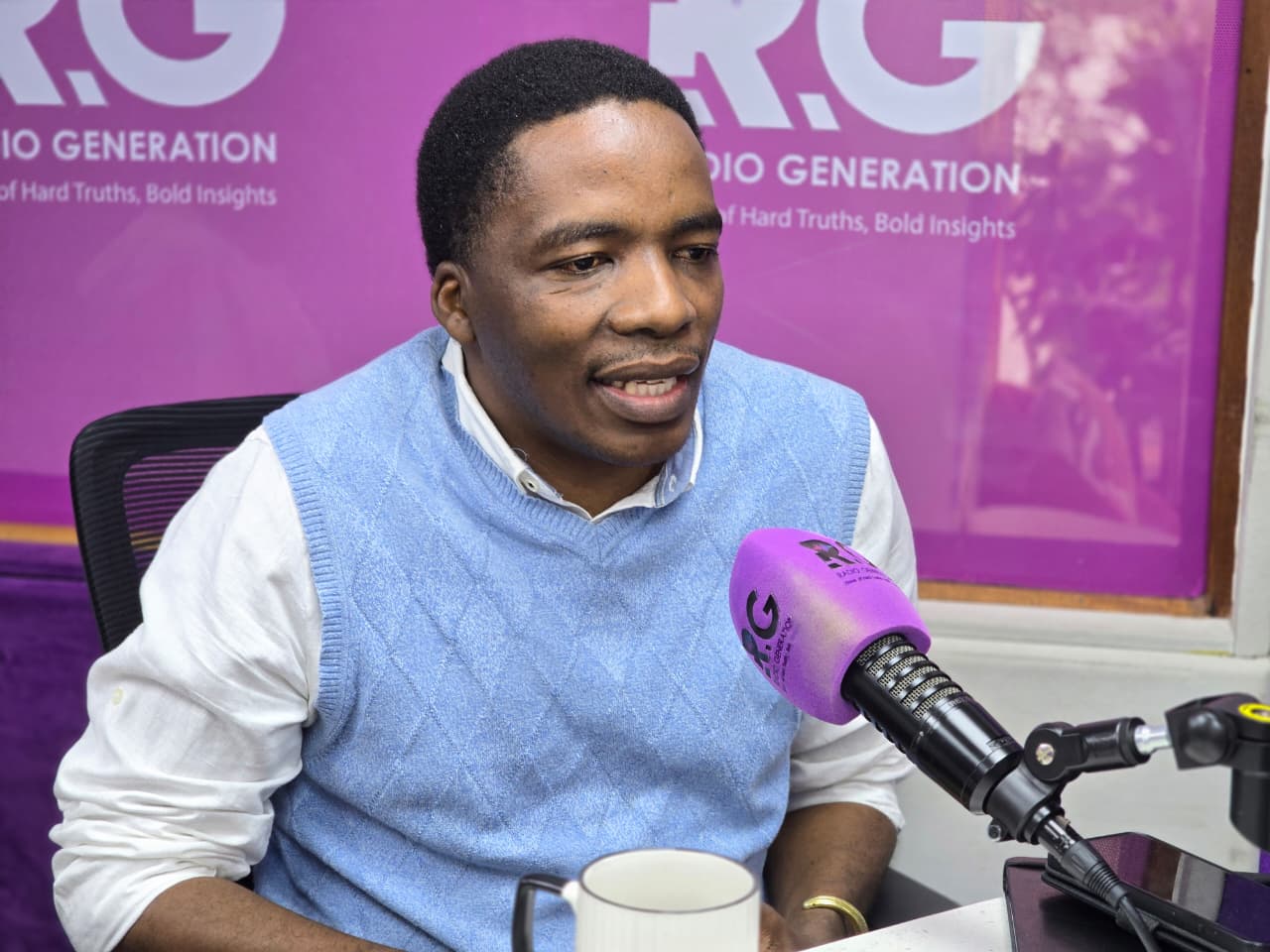
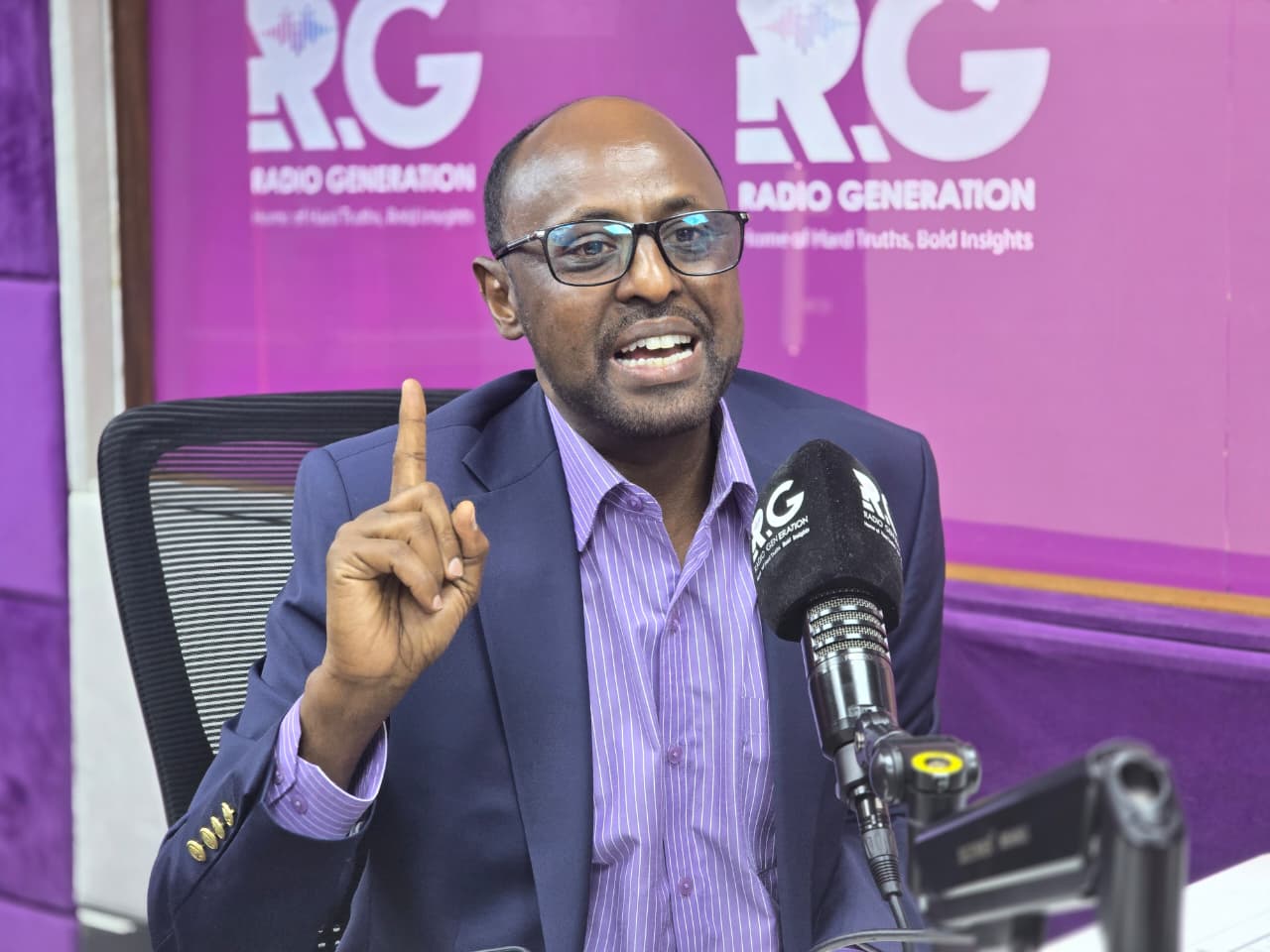
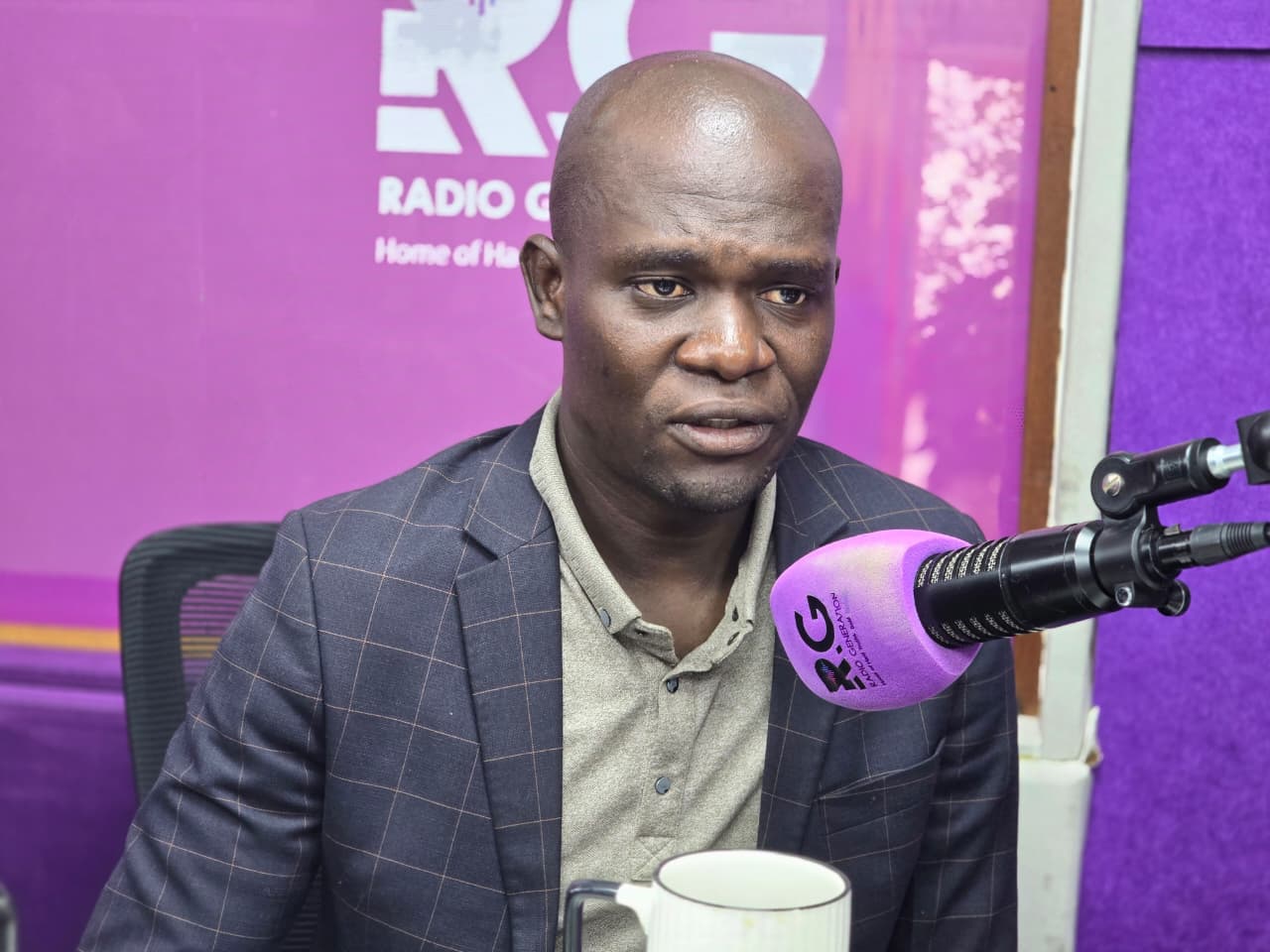
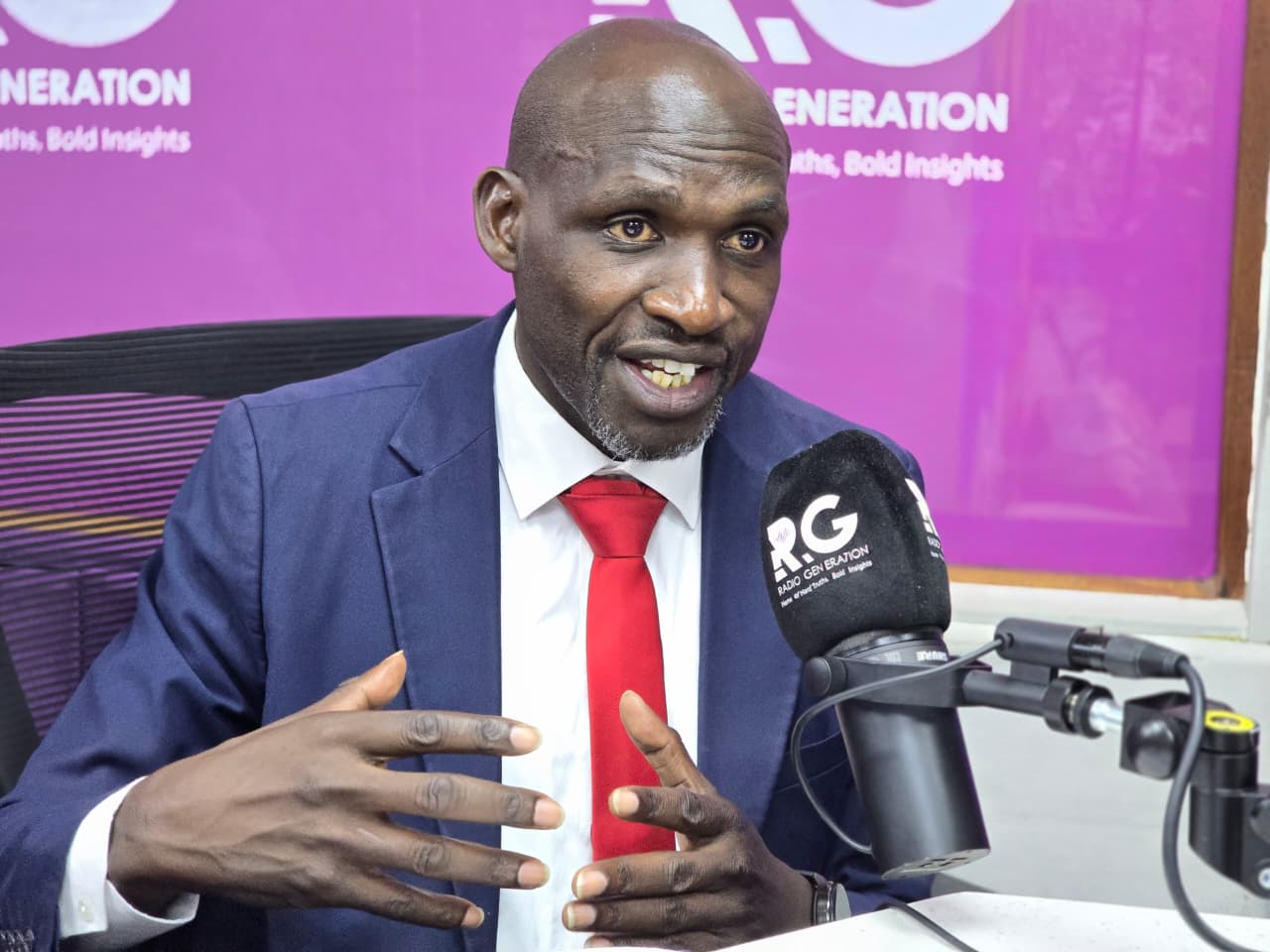
Speaking on Radio Generation on Monday, Prof Ogola described the model as the economics of plenty, arguing that Kenya and Africa do not need to follow the traditional economic trajectory taken by Western nations.
“You have to understand the context to understand the text,” he said, explaining that the concept emerged after he was challenged to propose an economic model that can solve Kenya's problem.
“Solomonic economics is the economics of plenty. It is economics where we don’t have to look at scarcity,” he said.
According to Prof Ogola, the continent can leapfrog the world by embracing knowledge-based industries rather than strictly moving through historical economic stages such as agrarian farming, industrialisation and de-industrialisation.
“The great leap means that Africa needs to leapfrog the world,” he said. “We don’t need landlines to be connected. We don’t need to have bank branches to have a bank.”
He cited Kenya’s mobile money revolution as proof that leapfrogging is possible, arguing that young people can create wealth through digital assets without relying on inherited land or traditional industries.
“You’re being told, for example, you have to inherit land. How many of us can inherit land? Why don’t you inherit land in space? We talk about digital assets, which are in space,” he said.
Prof Ogola explained that Western economies evolved through hunting and gathering, farming, manufacturing, de-industrialisation, and re-industrialisation. Kenya, he argued, should not be forced to follow that continuum.
“We are being told by the West that we need to grow as they grew. We must follow that continuum. But I’m saying we can actually jump from agrarian to de-industrialisation,” he said, pointing to service-driven economies such as Switzerland as examples.
Beyond economic theory, the LDP Presidential Aspirant also outlined the political philosophy of the Liberal Democratic Party (LDP), under which he is seeking the presidency.
“First and foremost, LDP is the full Liberal Democratic Party. So we are liberal Democrats,” he said.
He argued that Kenya’s primary problem is economic and cannot be solved through traditional campaign promises.
“It cannot be solved by manifestos. It can be solved only by prototypes,” he said, describing prototypes as practical examples that demonstrate how policies would work in reality. “We don’t sell manifestos, because manifestos for us are political propaganda.”
He emphasised that the LDP differs from other parties because it is not owned by an individual. “LDP is owned by the people,” he said. “Many people have come to try to buy LDP, but it cannot be bought.”
He explained that the party operates under a dual structure, separating its administrative and political arms.
“It is only in LDP that the party leader is not the presidential candidate,” he said, noting that technocrats manage administrative functions while he oversees political mobilisation.
“There is a Chinese wall between the admin and political arm,” he said, adding that he does not handle party finances or issue tickets directly.
Prof also positioned LDP as a merit-based party. “In LDP, we believe in meritocracy, not oligarchy,” he said. “It is not whom you know, it is not how much you have that will take you up. It’s about what’s your talent, what is your skill, what’s your hard work.”
He argued that wealth should not determine political opportunity, contrasting the LDP with parties where the richest person gets a ticket. “That’s what distinguishes us,” he said. “We focus on merit, not loyalty.”
As the 2027 election approaches, Prof Ogola said his focus remains on building political power grounded in economic reform. “We want power,” he said. “How can LDP form a government? How can LDP deliver to the people?”