Wiper NEC member Kamau Wa Mbiu has raised doubts over the manner in which the Orange Democratic Movement removed Nairobi Senator Edwin Sifuna from the position of Secretary General, questioning whether the party followed proper procedures. He warned that sidelined leaders could regroup, potentially reshaping ODM’s political landscape.
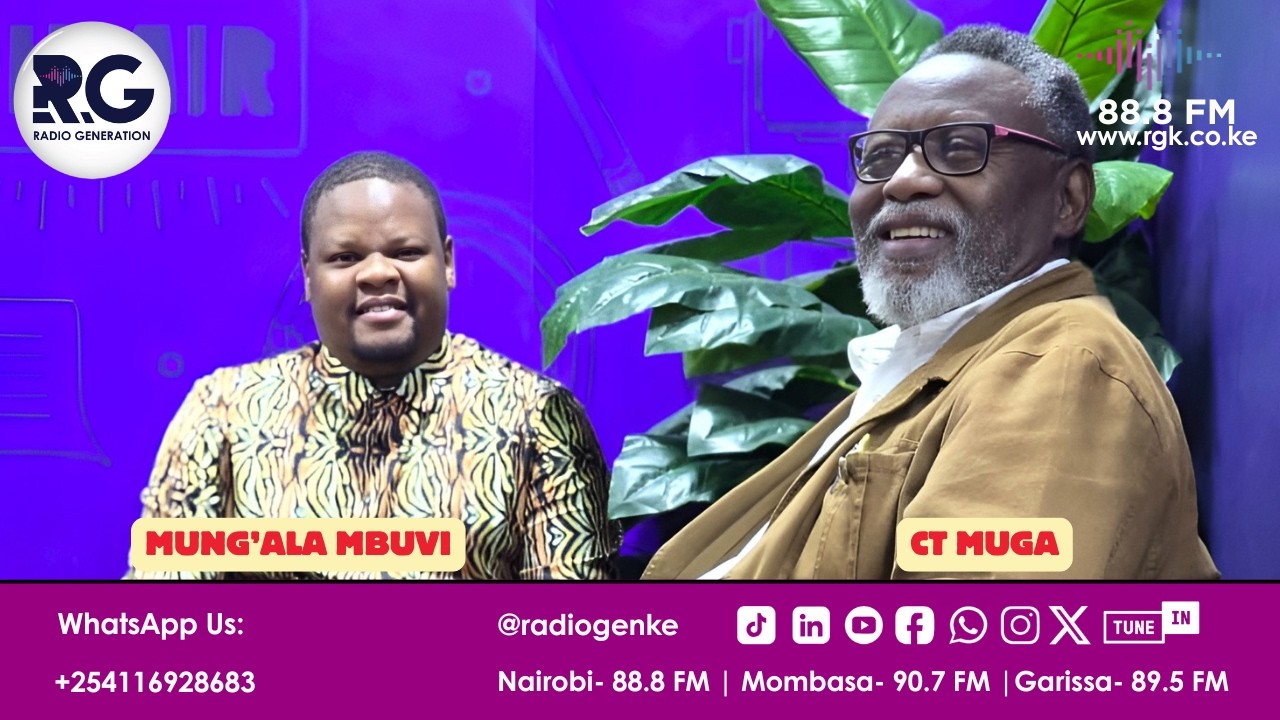
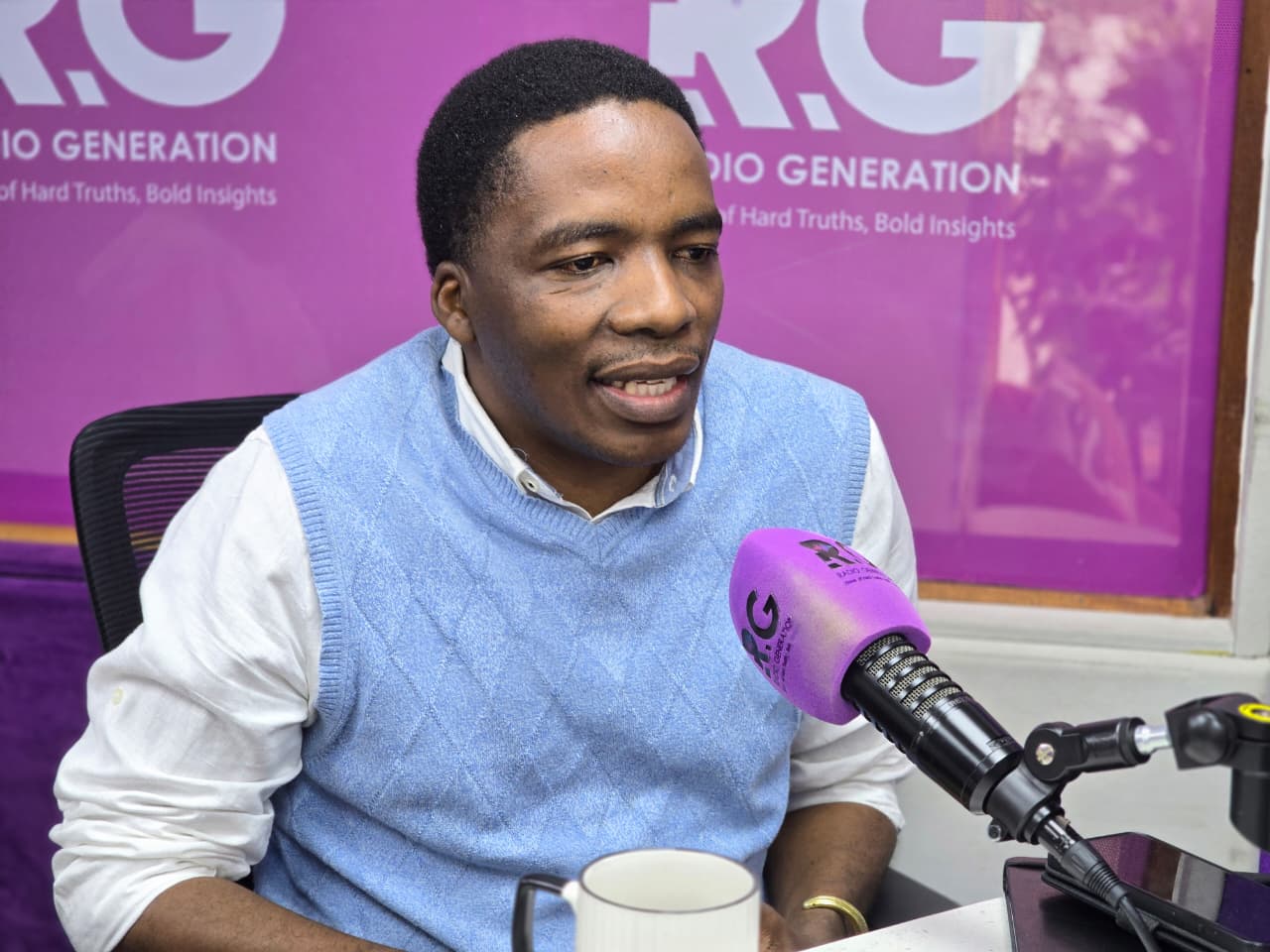
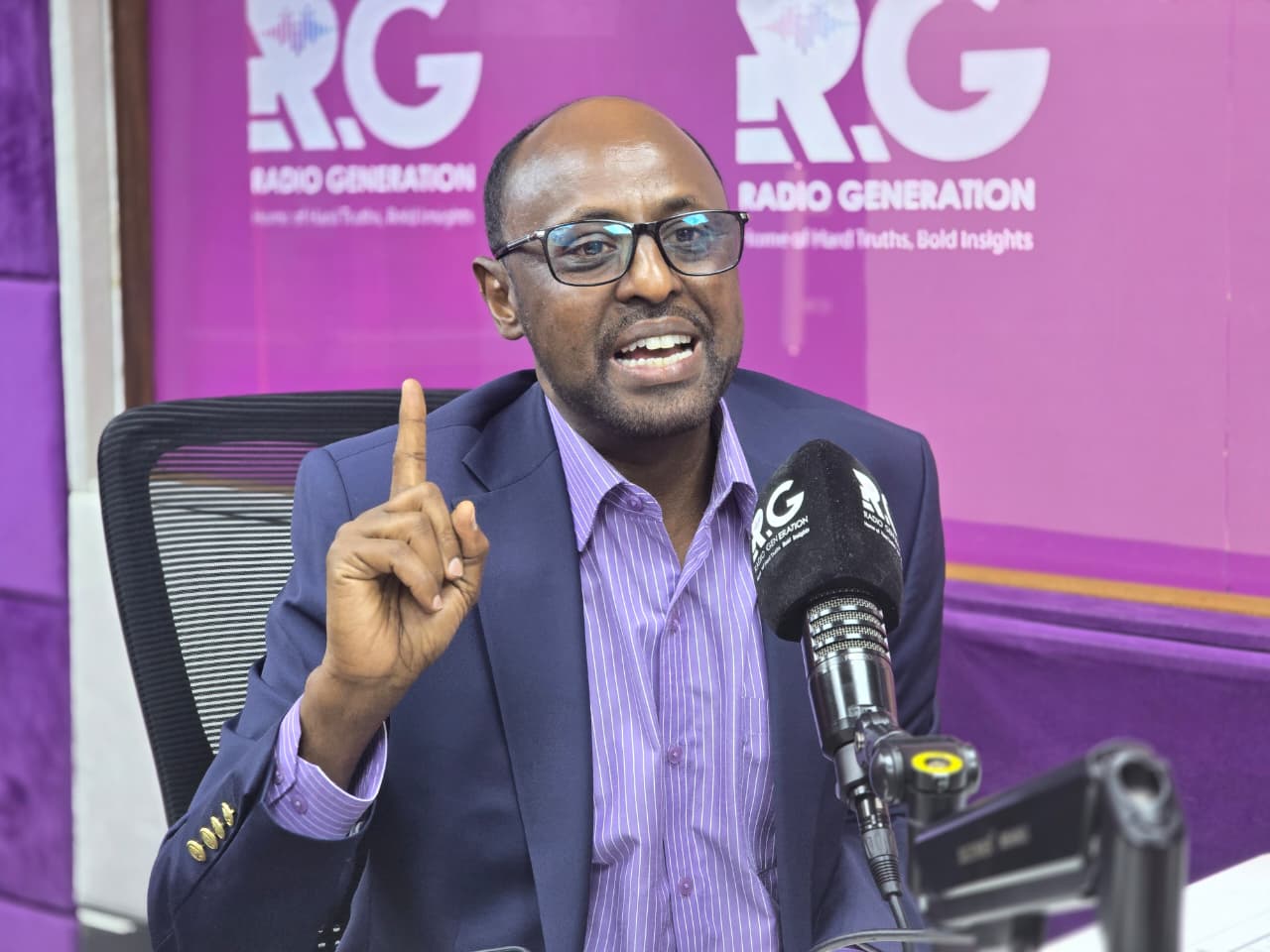
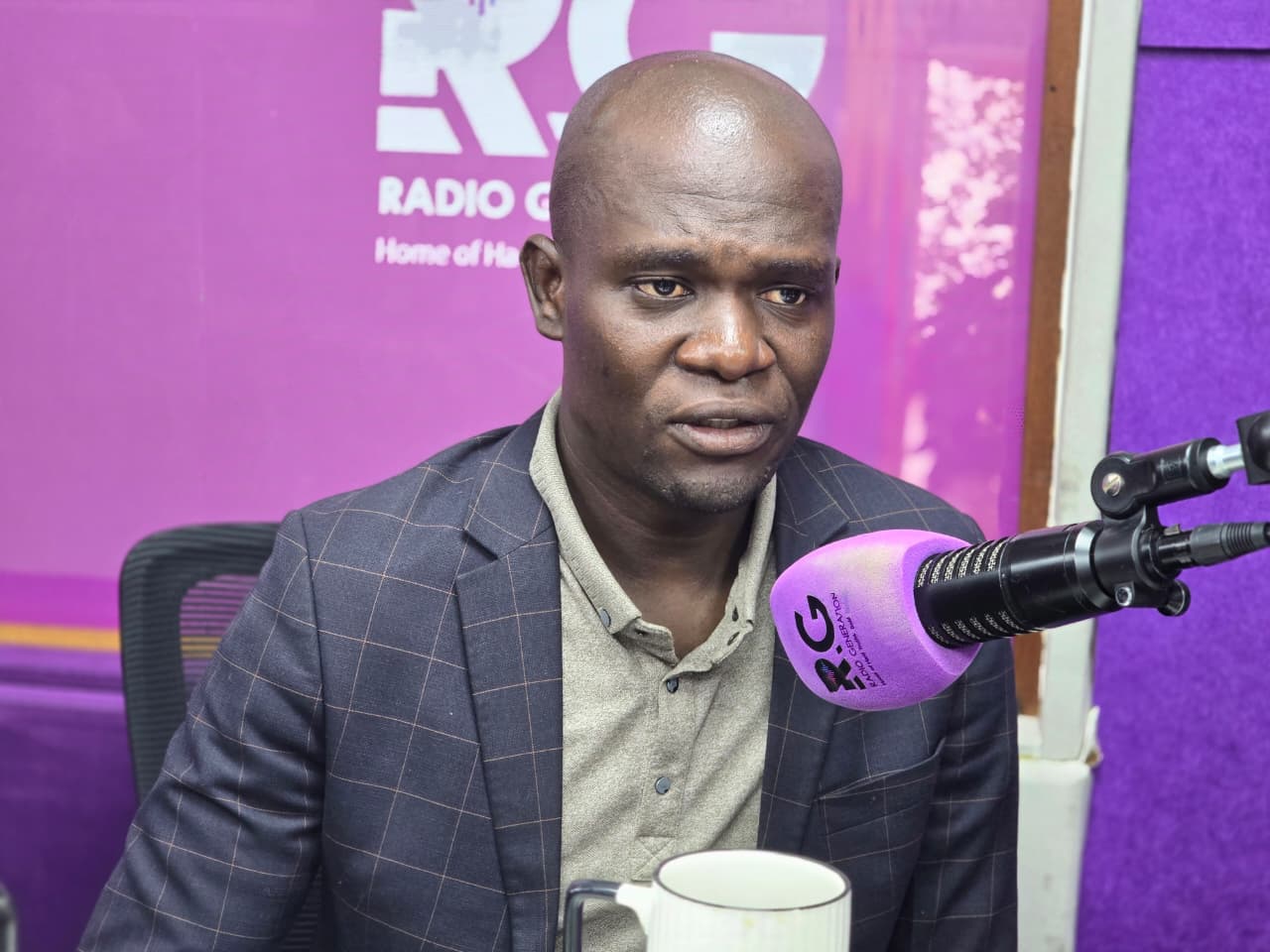
Speaking on Tuesday on Radio Generation, Kamau explained how party decisions are meant to flow. He said the NEC first proposes resolutions, which are then taken to the National Delegates Convention (NDC) for approval or revocation.
According to Kamau, the removal of a Secretary General should begin with the party’s Dispute Resolution Committee. “There were procedures, he had first to be summoned by the Dispute Resolutions Committee of the party, which I don't know if they did,” he said.
He stressed that any disciplinary action should be formally documented and escalated through the correct party structures. “If he was summoned by the party, the dispute resolution committee, it writes a report to its findings, and submit it to the NEC. Now the NEC votes according to the report that has been written by the committee. And now that there's the resolution they come up with, they take it to the NDC,” Kamau added.
The ODM constitution requires that officials, including the Secretary General, be elected and removed according to internal organs and procedures outlined in the party’s governance framework. Decisions on leadership are generally made by the NEC and ratified by either the NDC or the National Governing Council (NGC).
Any disciplinary action or removal should follow constitutional mechanisms, including notification, a chance to respond, and relevant committee processes. While the specific clauses of the constitution have not been publicly released, critics of Sifuna’s removal argue that his ouster did not respect due process.
Last week, ODM’s NEC voted to remove Sifuna during a meeting in Mombasa, citing indiscipline and violations of party protocol. The party stated the resolution followed the constitution and relevant laws and appointed Catherine Omanyo as acting Secretary General. The decision came after months of internal disagreements over party direction and leadership following the death of former party leader Raila Odinga.
Kamau acknowledged he was not involved in the internal discussions. “I don't know how he has, if he has spoken with the 4500, 3500 members of the NDC who will be present, that I don't know,” he said. “But anyway, that's an ODM matter. The matter is in court.”
Beyond the procedural concerns, Kamau also reflected on the political consequences of the dispute, citing Raila Odinga’s past statements in support of Sifuna. “Raila Odinga himself was on record,” he said. “Baba himself went ahead and said a lot of things.”
He questioned whether the current developments signal a shift in the party. “Now I'm still wondering why all this, or is it happening after Raila died? It's a simple question for you,” he said, adding that “ODM is a Democratic Party, yes, and it allows discourse within from amongst its members.”
Framing his concerns within broader political principles, Kamau said, “In the realm of politics, there are some principles,” citing scripture. “Once a tree has been cut, it does not come up with one branch, it comes back five times.”
Referring to Sifuna and his allies, he added, “This guy who has been cut off, Edwin Sifuna and the clique of the members of parliament, these people, they will come back.”
Sifuna has challenged the decision in the Political Parties Disputes Tribunal (PPDT), which temporarily halted the implementation and gazettement of his removal. The tribunal ordered ODM to respond within set timelines. Sifuna maintains he was not given a chance to defend himself and insists he remains the duly elected Secretary General.
Kamau warned of potential electoral consequences for ODM, arguing that political strength rests on the numbers leaders carry. “Whatever will be left of the ODM, will be done away with that party,” he said. “Whatever the president wants from ODM is numbers, the numbers they carry. Most of the numbers that they carry, they are carried by all these other leaders.”
For now, he suggested, the dispute is less about personalities and more about adherence to process. Whether ODM followed its constitution, he implied, will influence both the outcome of the case and public perception of internal democracy in one of Kenya’s largest political parties.
The internal showdown in ODM now places its governance under scrutiny, with the PPDT expected to determine whether due process was observed. The verdict could shape party discipline, cohesion, and credibility ahead of the 2027 elections.