Fresh audit findings have exposed deep financial and operational weaknesses at the National Youth Service, prompting a sharp interrogation by Members of Parliament over its growing deficit, disputed land and unresolved accounting gaps.
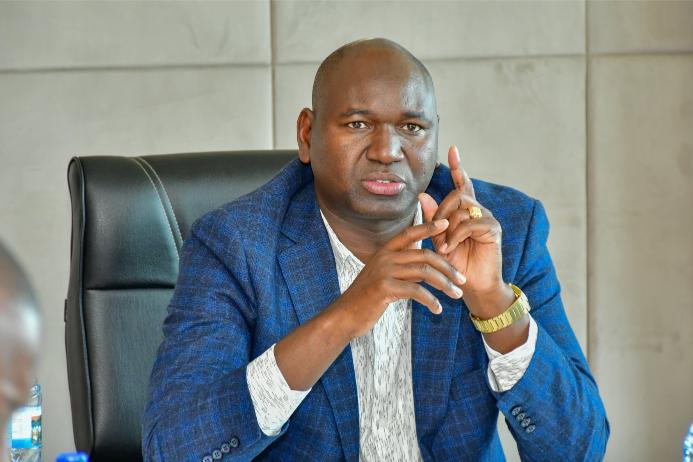
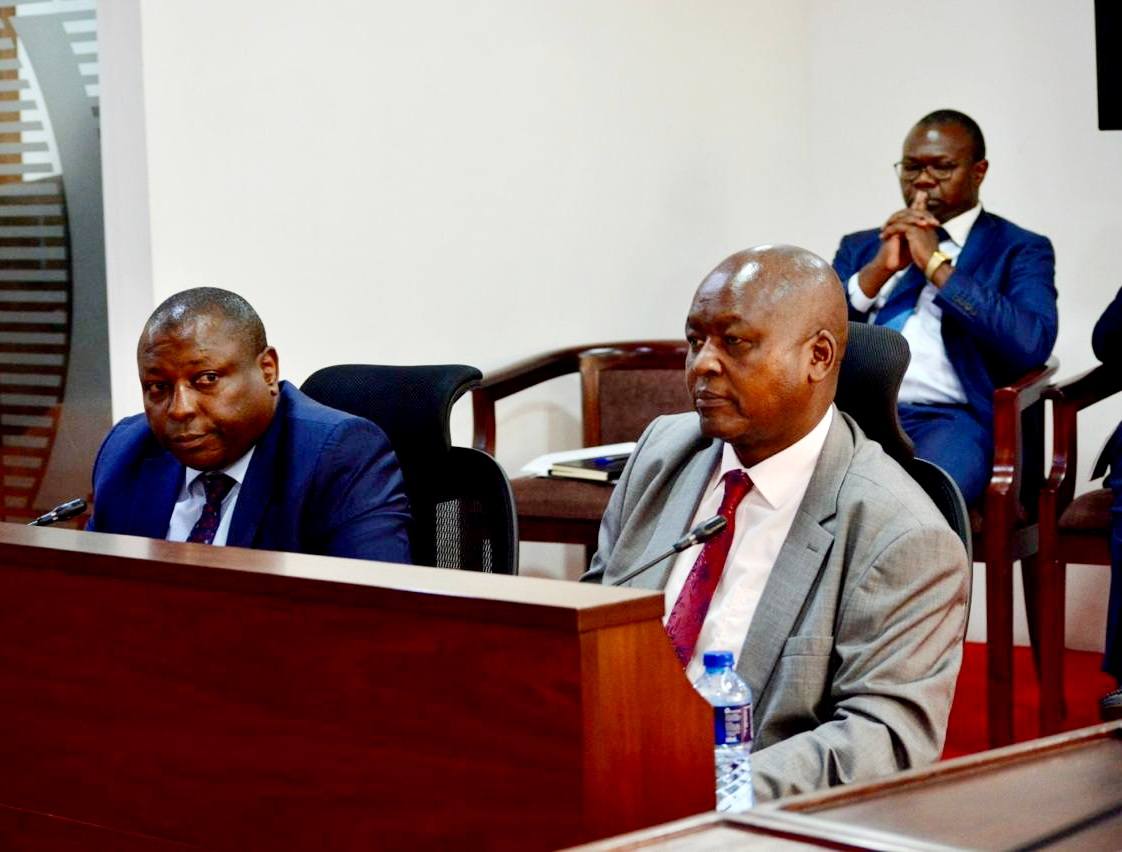
The Public Investments Committee on Social Services, Administration and Agriculture of the National Assembly, led by Navakholo MP Emmanuel Wangwe, summoned Director General James Kipsiele Tembur to appear before it at Bunge Tower on Thursday, February 19, 2026.
The session focused on issues raised in the Auditor-General’s report for the 2023/2024 financial year.
Central to the deliberations was a mismatch in trade and other payables. Financial statements tabled by the Service reflected Sh2.59 billion, while supporting ledger records presented for review showed Sh 2.72 billion, resulting in an unexplained difference of Sh130.8 million.
Legislators noted that the variance had not been reconciled in line with Regulation 23(1) of the Public Finance Management (National Government) Regulations, 2015.
“What was the cause of the variance, and why has reconciliation not been done?” MP Wangwe posed, pressing the Director General for answers.
Although the Service explained that part of the balances had been settled as first charges at the beginning of the financial year, Committee members held that the matter remained open and required proper documentation.
Members also expressed concern over the agency’s financial health, pointing to a negative working capital of Sh1.3 billion and a deficit that has now hit Sh2.6 billion, a deterioration compared to the previous year.
The burden of historical pending bills, now standing at Sh15.8 billion, further complicates the picture.
“With this trajectory, can the NYS sustain itself as a going concern in the next five years?” MP Martin Owino asked.
Tembur attributed the strain to reduced funding and delays in the release of exchequer funds.
He told the Committee that the Service experienced a revenue shortfall of Sh1.77 billion, equal to 13 per cent of its approved budget. At the same time, recurrent expenditure fell short of projections, with under-spending amounting to Sh 2.03 billion.
Beyond the books of accounts, lawmakers turned their attention to land management. The audit report cited encroachment of about 8,456 acres at the Hindi Field Unit and raised questions about ownership documents for land estimated to be worth Sh 20 billion.
“Why are you utilising only three per cent of your land when idle property invites encroachment?” the Committee Chairperson posed.
In response, Tembur said the Service had crafted eight business proposals aimed at putting its land to productive use through large-scale farming and ranching as part of efforts to generate income and reduce reliance on the exchequer.
The Committee issued firm directives, instructing the agency to present its 2019 approved staff establishment, submit title deeds for its Mombasa units, provide a comprehensive account of queried subcontractor payments and move with speed to address asbestos concerns in its facilities.
“You are a big institution and a force in this country. Go back to the drawing board and find innovative ways to revive this Service,” the Mandera County MP Ummulkheir Kassim urged.
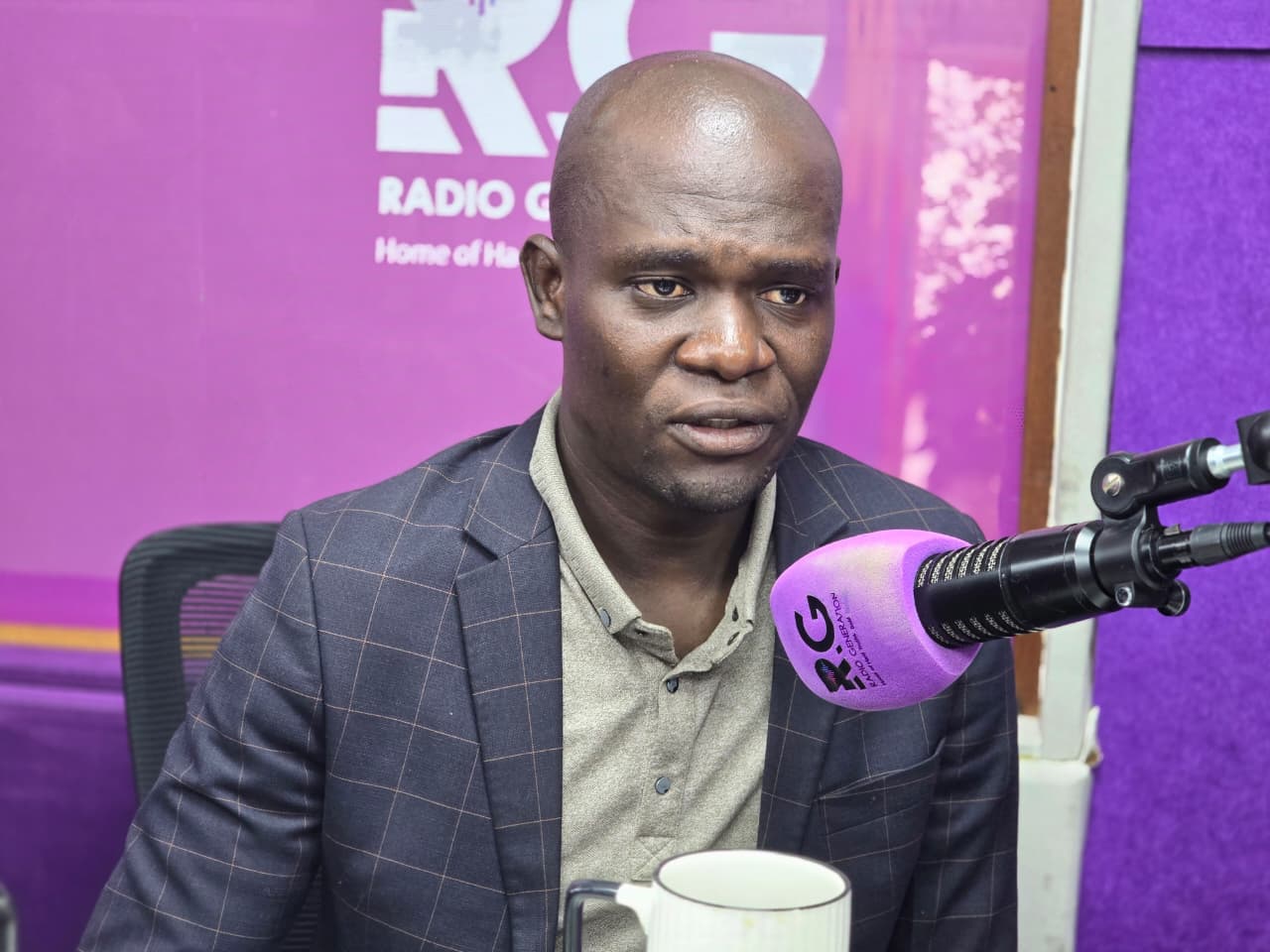
In a separate sitting, the Committee also engaged Kenya Medical Training College Chief Executive Officer Kelly Oluoch over audit issues and concerns about low enrolment in marginalised areas such as Lodwar and Lamu.