Cabinet Secretary for Interior and National Administration, Kipchumba Murkomen, has called on African countries to strengthen community-based correctional systems as a practical alternative to incarceration, highlighting prison overcrowding as a growing threat to justice across the continent.
Speaking at the opening of the Advancing Community Corrections in Africa as an Alternative to Incarceration conference on Tuesday, Murkomen said congested prisons strain public resources, weaken rehabilitation efforts, and undermine human rights protections.
“Across Africa, prison congestion continues to cripple our justice systems. Many correctional facilities are operating far beyond their intended capacity, placing immense pressure on infrastructure, finances, and rehabilitation programmes,” he said, noting that many prisons were designed to hold far fewer inmates than they currently do.
Murkomen pointed out that Kenya has made substantial progress in promoting non-custodial measures.
“Today, we supervise over 61,000 offenders within community-based correctional frameworks. This demonstrates that when alternatives to imprisonment are properly structured and supported, they can effectively deliver justice while protecting public safety,” he said.
He further highlighted that plea bargaining, mediation, and diversion programmes have achieved compliance rates of about 97 percent — a figure Murkomen described as evidence of growing public confidence in non-custodial sentencing.
The CS credited the State Department for Correctional Services and the Probation and Aftercare Service for leading reintegration programmes that equip offenders with skills, employment opportunities, and support networks to reduce repeat offences.
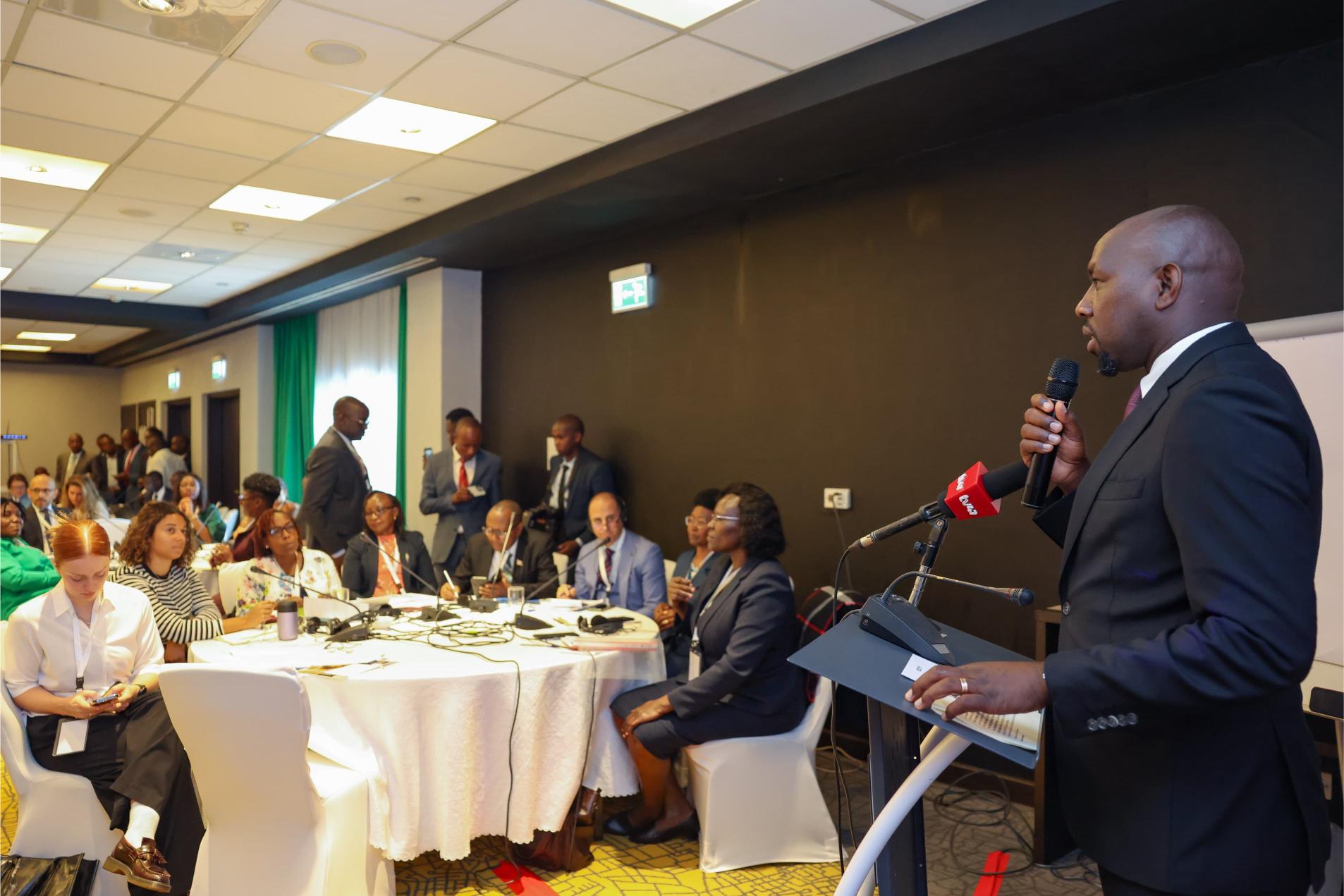 Cabinet Secretary for Interior and National Administration, Kipchumba Murkomen speaks at the ACCAAI conference on February 24, 2926.PHOTO/HANDOUT
Kenya’s reforms, he said, follow international and regional frameworks, including the United Nations Standard Minimum Rules for Non-Custodial Measures and the Kampala Declaration on Prison Conditions in Africa.
The country’s approach, coordinated through the National Council on the Administration of Justice, emphasizes evidence-based, rights-centered criminal justice reforms.
Murkomen urged African nations to expand mediation, diversion, restorative justice, and pre-trial services to ensure detention is used only when necessary. He also stressed the importance of strengthening probation services by recruiting and training more personnel, investing in digital case management systems, and using data analytics to improve decisions.
“We are living in a digital era where justice systems must be driven by reliable data and real-time insights. Technology can enhance transparency, accountability, and service delivery within the criminal justice sector,” he said.
He challenged conference delegates to move beyond discussion and commit to practical reforms that will ease prison congestion, protect human dignity, improve public safety, and foster sustainable development.
“Our vision must be clear — a justice system that recognizes that true justice is not only about punishment, but about restoration, reintegration, and transformation,” Murkomen said as he officially opened the conference.