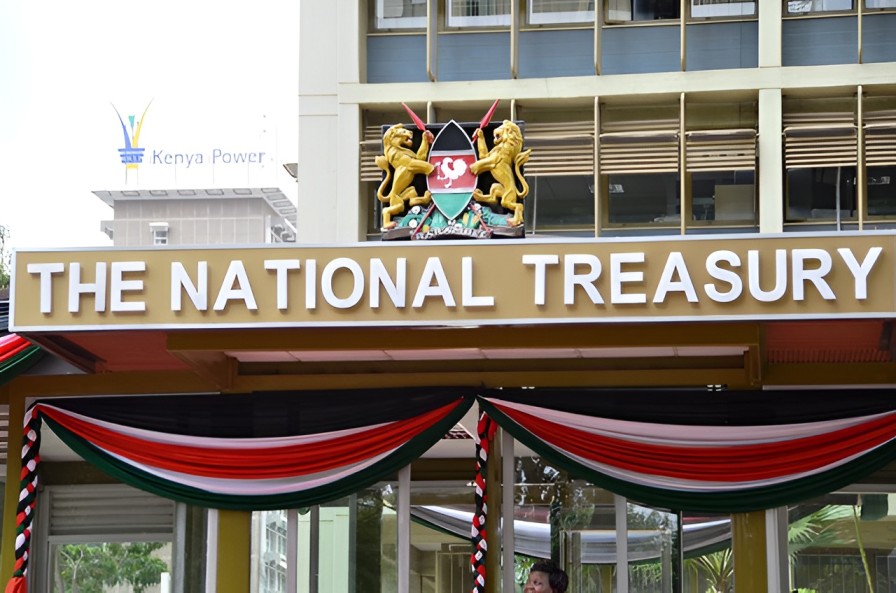
The National Treasury has released the draft 2026 Budget Policy Statement (BPS) and invited citizens and institutions to submit their views by January 9, 2026. This marks the beginning of a crucial consultation process that will shape Kenya’s fiscal priorities and spending plans for the 2026/27 to 2028/29 financial years.
Issued under the Public Finance Management (PFM) Act, the notice emphasizes the legal requirement for the government to seek public input when preparing the BPS. The Treasury highlighted that the consultations are essential before the document is submitted to Cabinet and later to Parliament.
“The National Treasury is required to seek and take into account the views of stakeholders and the public in preparing the Budget Policy Statement before submission to Cabinet for approval, and thereafter submission to Parliament,” the notice stated.
The BPS outlines the government’s broad fiscal framework, key policy priorities, and sets the stage for detailed budget estimates. The draft document also covers the medium-term expenditure framework (MTEF) for the next three financial years.
The notice explains that the law requires the Treasury to gather input from several institutions, including the Commission on Revenue Allocation, county governments, the Controller of Budget, the Parliamentary Service Commission, and the Judicial Service Commission. In addition, the general public and any interested groups or individuals are encouraged to participate.
To facilitate input, the draft 2026 Budget Policy Statement has been made available on the Treasury’s official website for review. “The purpose of this Public Notice is to invite general and specific comments on the draft 2026 Budget Policy Statement to enable finalization of the document,” the notice said.
All comments must be submitted by close of business on January 9, 2026, via the email address provided by the Treasury. The feedback collected during this period will inform adjustments to the BPS before it is finalized, ensuring that national priorities and fiscal targets reflect input from stakeholders.
Following the consultation, the revised BPS will be submitted to Cabinet for approval before being tabled in Parliament. Lawmakers will then debate and consider the document as required by law.
The Budget Policy Statement is a central planning tool that guides how resources are allocated between national and county governments. It also outlines the government’s approach to economic growth, public spending, and debt management over the medium term.
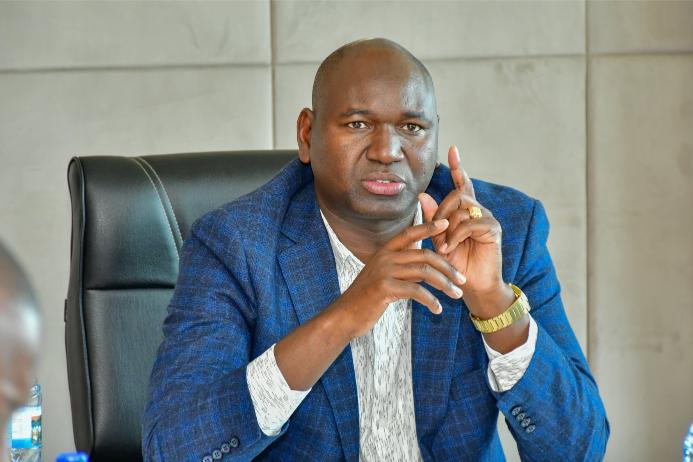
The public notice was signed by the Cabinet Secretary for the National Treasury, John Mbadi Ng’ongo, who encouraged all stakeholders and citizens to participate. By seeking public input, the Treasury aims to promote transparency, accountability, and inclusivity in the budget-making process, in line with the PFM Act.