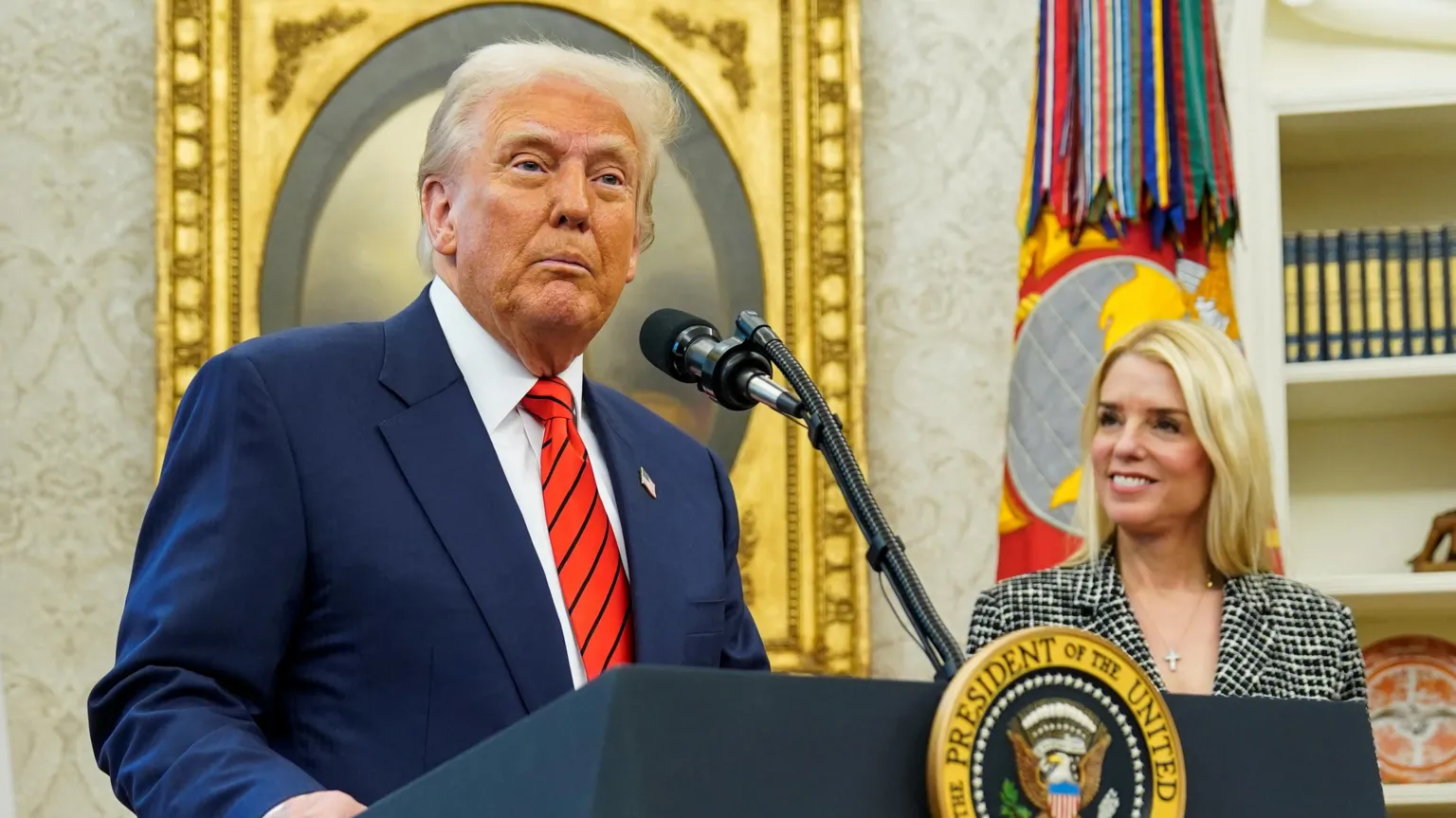
US President Donald Trump on Thursday signed an executive order directing the loosening of federal regulations on marijuana, marking a potential turning point in decades of strict US drug policy and opening the door to major changes in how the substance is regulated.
The order instructs the attorney general to move quickly toward reclassifying marijuana under the US Controlled Substances Act.
If approved, marijuana would be shifted from its current Schedule I status—reserved for drugs deemed highly addictive with no accepted medical use—to Schedule III, placing it alongside substances such as certain painkillers, ketamine and testosterone, which are considered less dangerous and have recognized medical applications.
The move could represent one of the most significant federal shifts on marijuana in decades, with far-reaching implications for the cannabis industry.
Industry analysts say reclassification could unlock billions of dollars in medical research funding and ease long-standing barriers that have kept banks and institutional investors away from cannabis-related businesses.
While Senate Democratic leader Chuck Schumer welcomed the decision, the move sparked sharp backlash from within Trump’s own Republican Party.
Dozens of Republican lawmakers wrote to the president urging him not to sign the order, warning that, “Reclassifying marijuana as a Schedule III drug will send the wrong message to America’s children, enable drug cartels, and make our roads more dangerous.”
Speaking at the White House, Trump said marijuana would remain illegal at the federal level and subject to a patchwork of state laws, but argued that some patients genuinely need access to the drug.
“We have people begging for me to do this, people that are in great pain for decades,” he said. At the same time, the teetotaling president stressed his own opposition to drug use. “I don’t want it, okay. I’m not gonna be taking it. But a lot of people do want it. A lot of people need it.”
Senior administration officials said the primary goal of the order is to expand medical research into marijuana and related products to better understand their risks and potential therapeutic benefits.
As part of the shift, the Centers for Medicare and Medicaid Services plans to allow some beneficiaries to use hemp-derived CBD products as early as April.
The Drug Enforcement Administration will now review the recommendation and decide whether to formally reclassify marijuana, a process that has previously been stalled by bureaucratic delays. Even if reclassified, marijuana would remain a controlled substance, with federal restrictions and criminal penalties still in place.
Reaction from financial markets was mixed. Cannabis stocks initially rose on the news but later fell between 3% and 12% by market close, amid disappointment that the order did not include provisions addressing cannabis banking.
“This shift marks an important step toward greater regulatory clarity and institutional acceptance of cannabis worldwide,” a spokesperson for Organigram Global said.
Marijuana remains the most widely used illicit drug in the United States, with nearly one in five Americans reporting annual use, according to the Centers for Disease Control and Prevention, even as public support for full legalization continues to grow.































Comments
Sign in with Google to comment, reply, and like comments.
Continue with Google