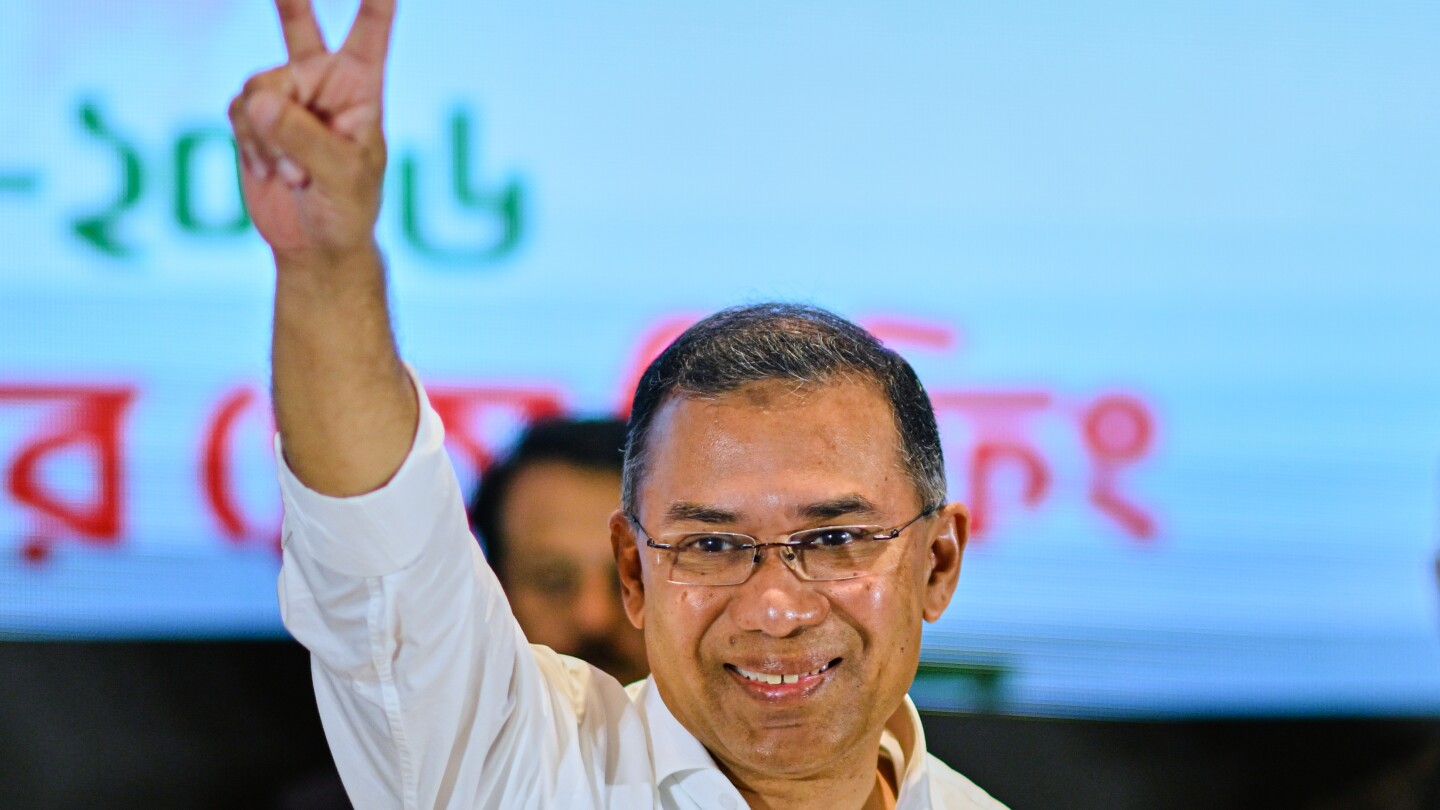
Tarique Rahman sworn in on Tuesday as Bangladesh’s prime minister after his Bangladesh Nationalist Party secured 212 of 350 parliamentary seats. The 60-year-old replaces an interim government led by Nobel laureate Muhammad Yunus, pledging unity and democratic renewal amid economic and political challenges.
Rahman took the oath during a ceremony outside the parliament building, administered by President Mohammed Shahabuddin. Dozens of Cabinet members and members of the new government were also sworn in.
“I will faithfully discharge the duties of the office of prime minister of the government, in accordance with the law,” Rahman said during the ceremony.
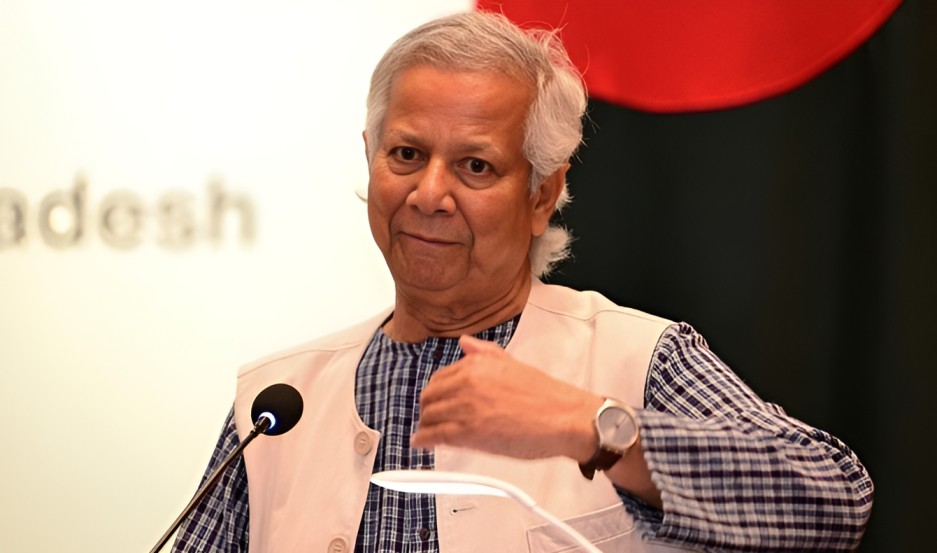 Bangladesh Interim leader Muhammad Yunus. PHOTO/Arab News
His swearing-in marks a significant political transition, replacing an interim administration led by Nobel Peace Prize laureate Muhammad Yunus, which had overseen the election process. The vote was described as largely peaceful and widely accepted by international observers.
Lawmakers were earlier sworn in to parliament by Chief Election Commissioner AMM Nasir Uddin, pledging loyalty to Bangladesh. Members of the BNP subsequently chose Rahman as their parliamentary leader, clearing the way for him to form a government.
A BNP-led alliance won 212 seats in the 350-seat parliament. An 11-party coalition led by the Jamaat-e-Islami party secured 77 seats and will serve as the opposition.
“This victory belongs to Bangladesh, belongs to democracy,” Rahman declared in his victory speech. “This victory belongs to people who aspire to and have sacrificed for democracy.”
He also called on political rivals to put aside divisions in a nation long marked by bitter rivalry. On Saturday, he urged all parties to remain united.
Rahman acknowledged the difficulties awaiting his administration. “We are about to begin our journey in a situation marked by a fragile economy left behind by the authoritarian regime, weakened constitutional and statutory institutions, and a deteriorating law and order situation,” he said.
His government’s immediate priorities are expected to include restoring political stability, rebuilding investor confidence and reviving key industries such as the garment sector.
Bangladesh’s economy has faced prolonged uncertainty since a Gen Z-led uprising toppled the government of Sheikh Hasina in 2024.
The Bangladesh Awami League, led by Hasina, was banned from participating in the election. From exile in India, Hasina criticised the process, saying the vote was unfair to her party.
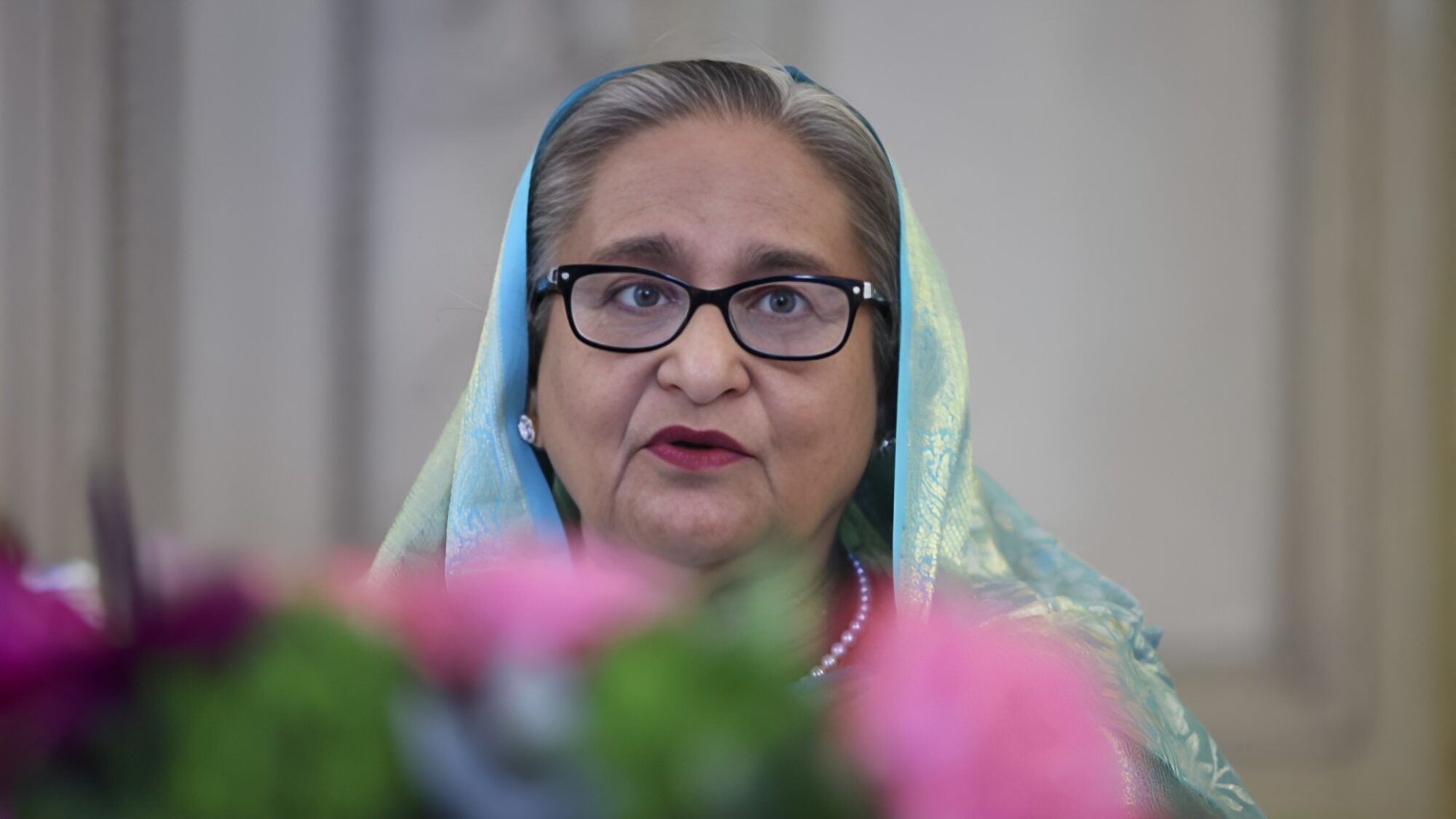 Bangladesh's former Prime Minister Sheikh Hasina speaking at the annual Munich Security Conference in Germany while still in office in February 2024. Wolfgang Rattay/Reuters
A court in Bangladesh sentenced her to death for crimes against humanity linked to hundreds of deaths during the uprising.
Jamaat-e-Islami leader Shafiqur Rahman said his party would serve as a vigilant, principled, and peaceful opposition.
The election saw turnout of just under 60 percent, with many voters queuing for hours to cast their ballots.
Rahman’s political journey has been closely intertwined with Bangladesh’s modern history. He is the eldest son of former Prime Minister Khaleda Zia and former President Ziaur Rahman, the founder of the BNP.
Ziaur Rahman was assassinated in a military coup in 1981. Khaleda Zia entered politics after her husband’s death and first became prime minister in 1991.
Rahman has served as acting chairman of the BNP since his mother’s imprisonment in 2018. He returned to Bangladesh in December after more than 17 years in self-imposed exile.
He had moved to London in 2008 for medical treatment and remained there while facing multiple criminal cases at home.
He was convicted in absentia on charges including a case linked to an alleged plot to assassinate Hasina. Those convictions were overturned after Hasina was removed from power in 2024, clearing the legal barriers to his return.
Now, as prime minister, Rahman faces the challenge of translating his party’s decisive electoral mandate into stability and reform in a country emerging from years of political turbulence.































Comments
Sign in with Google to comment, reply, and like comments.
Continue with Google