Kenya is preparing to upgrade its weather department into a state corporation to strengthen climate services and improve the country’s readiness for extreme weather events.
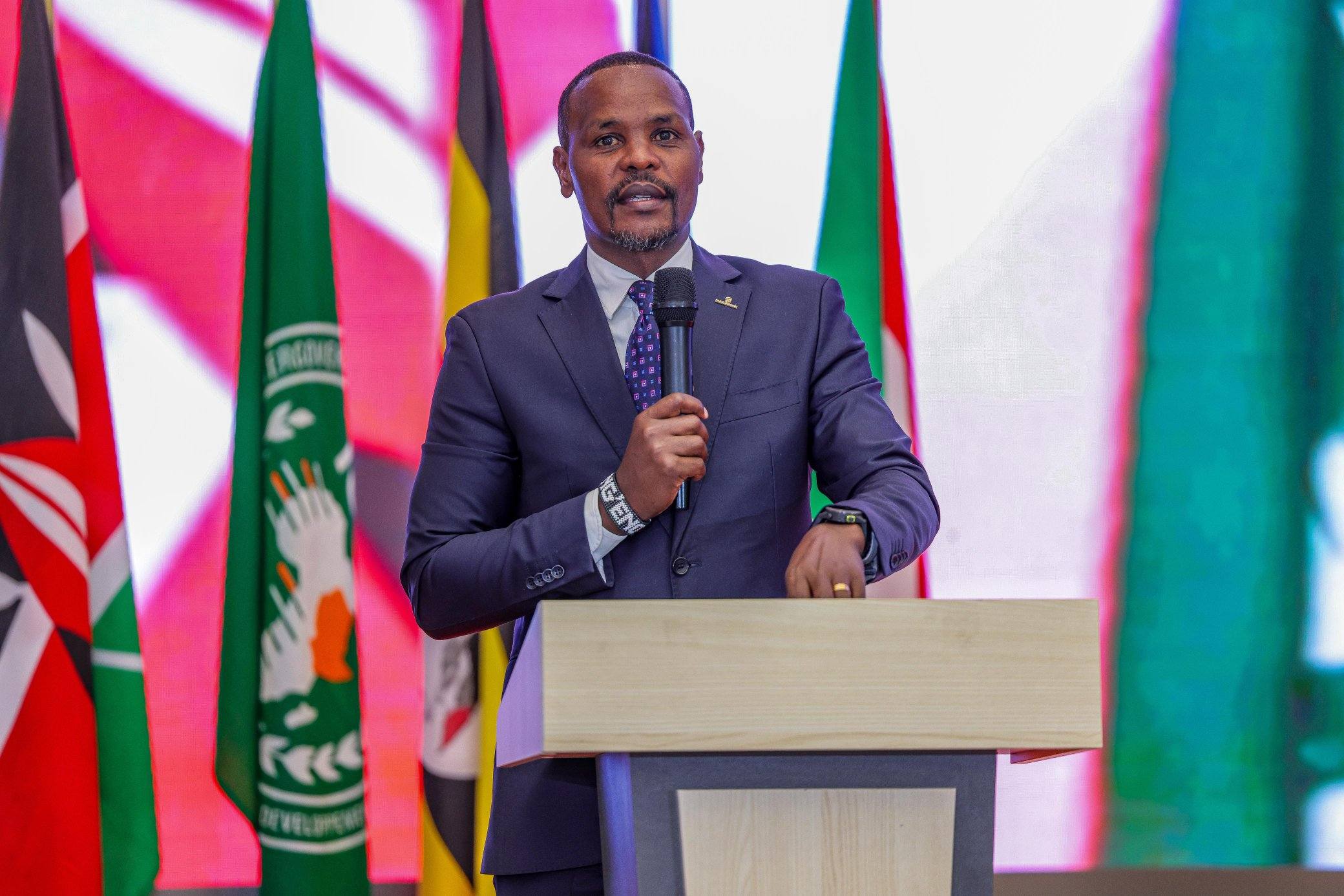
Speaking on Monday at the 72nd Greater Horn of Africa Climate Outlook Forum organised by the IGAD Climate Prediction and Applications Centre (ICPAC), Environmental and Climate Change Principal Secretary Festus Ng’eno said a Bill has been submitted to Parliament.
Once passed, the Kenya Meteorological Department will gain more legal and financial authority to enhance forecasting, early warning systems, and the delivery of climate information across the country.
“I’m pleased to note that Kenya is currently spearheading a national Meteorological Services Bill, now before Parliament. We are just waiting for the Senate to convene. We were to deliver this as a gift for Christmas last year, but we missed it by a whisker. As soon as the Senate approves the Bill, the Kenya Meteorological Department will transition into a State Corporation, which is a big milestone for us as a country,” Ng’eno said.
He urged regional partners to support the department in its new role.
“We want to ask you, at the onset, to start supporting KMD as a state corporation. Don’t look at it again as a department. I have only a few months with them before they are on their own, and we are working closely with Parliament,” he added.
Ng’eno explained that the Bill is designed to give the department a stronger mandate to provide high-quality climate and weather services both in Kenya and internationally.
The Meteorology Bill, 2023 will replace the existing Department of Meteorology with a semi-independent Kenya Meteorological Services Authority, tasked with regulating, coordinating, and delivering meteorological services nationwide.
He noted that the government is also exploring sustainable funding options, including allocating part of the proceeds from air navigation services to support the department.
“Such investments will enhance observational networks, forecasting capacity and last-mile service delivery, directly contributing to resilience and sustainable development across the country,” Ng’eno said, assuring that the transition should be completed by June or July this year.
The forum at the Argyle Grand Hotel in Nairobi also released the March–May 2026 regional seasonal climate outlook, highlighting expected weather patterns and their likely impact on agriculture, food security, water resources, health, disaster management, and livelihoods across the Greater Horn of Africa.
Ng’eno stressed Kenya’s role in advancing climate services both regionally and globally and highlighted their importance in planning and decision-making.
“Climate services enable governments, communities, and the private sector to anticipate risks, plan and take early action. They support farmers to make informed farming decisions, pastoralists to manage pastures and mobility, health systems to anticipate disease outbreaks, energy planners to optimise generation, and disaster management agencies to protect lives and livelihoods,” he said.
He said the focus is shifting from merely providing climate information to working with users to make the data useful at all levels.
“Platforms such as GHACOF exemplify this approach by bringing together scientists, sector experts, policymakers, and users to jointly interpret climate outlooks and translate them into actionable guidance,” he said.
Ng’eno also reiterated Kenya’s commitment to international climate initiatives, including the UN Early Warning for All programme and the National Early Warning system launched in 2025.
“The President of the Republic of Kenya has been designated a WMO champion by the UN as the Early Warning for All champion. Kenya provides leadership in this regard, ensuring timely and effective early warning systems protect every Kenyan,” he said.































Comments
Sign in with Google to comment, reply, and like comments.
Continue with Google