Lawyer Ogada challenges Western views, champions Africa’s consensus-based governance
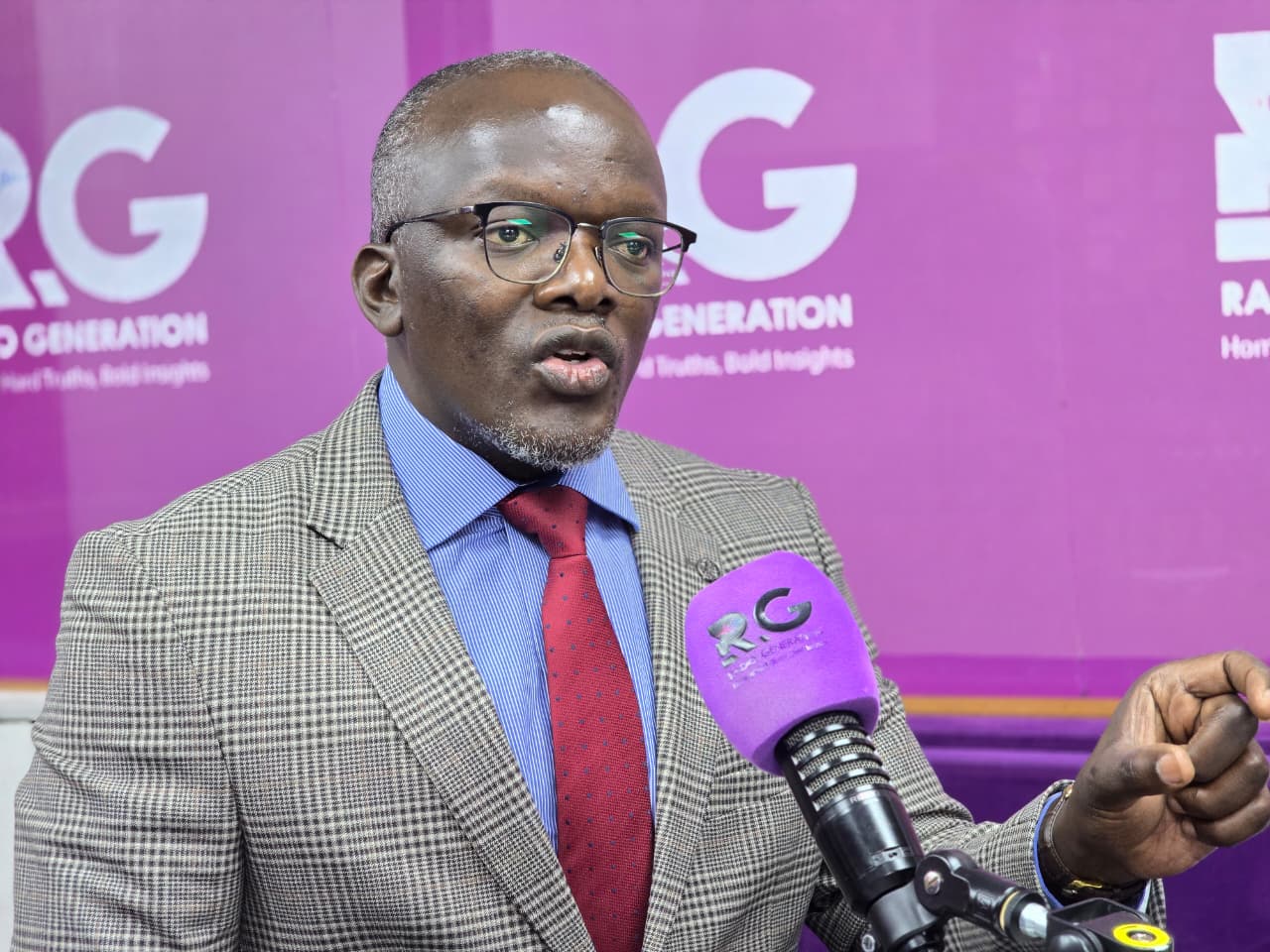
Speaking on Radio Generation on Monday, he emphasised that African systems were rooted in consensus, accountability and balanced authority rather than the autocratic structures often projected onto them.
Human Rights Lawyer and Member, African Judiciaries Research Network, Evans Ogada has described the systematic misrepresentation of African governance traditions by Western scholars, arguing that Africa’s political heritage has long been misread, simplified, and unfairly dismissed as undemocratic.
Speaking on Radio Generation on Monday, he emphasised that African systems were rooted in consensus, accountability and balanced authority rather than the autocratic structures often projected onto them.
Ogada said the dominant Western framing presents Africa as historically ruled by dominant chiefs and supreme kings wielding unchallenged authority.
He rejected this portrayal as an invention, saying “African leadership was not about supreme chiefs or absolute kings, leadership was negotiated, moderated and accountable.”
The lawyer explained that African communities did not practise unrestrained personal rule.
Instead, they relied on layered systems that ensured leaders remained answerable to those they governed.
Councils of elders, lineage discussions and age-set deliberations provided oversight and guaranteed that no individual could impose unilateral decisions on the community.
The lawyer argued that Western literature wrongly depicts Africans as passive followers.
According to him, “Governance was participatory. Decisions were built through listening, weighing competing needs and reaching a consensus that preserved community harmony.”
He said consensus was not a sign of weakness but a deliberate democratic method that valued unity, dialogue and long-term social cohesion.
He added that what Western scholars term “informal systems” were in fact structured governance mechanisms with clear rules and social expectations.
Leaders could be challenged, rebuked, limited or even removed through culturally recognised procedures.
“Authority was never absolute,” he said, emphasising that African political legitimacy was derived from service and community trust.
Ogada described African governance as distributive, distributing responsibility, influence and participation.
He said people were never mere subjects but contributors to decision-making. Leaders, therefore, embodied community values rather than dominating the society they served.
He noted that Africa’s political fractures today can be linked to the disruption of these traditions, saying, colonisation replaced dialogue-based governance with centralised command systems that prioritised control over consultation.
The loss of negotiated authority, he argued, weakened the social fabric that historically kept power accountable.
Ogada criticised claims that Africans lacked democratic orientation, saying such arguments were rooted in prejudice rather than fact. “Africans governed themselves long before foreign intrusion, and they did so with sophistication and collective wisdom,” he said.
He urged scholars to reassess Africa’s contributions to governance and discard the lens that evaluates African systems only through Western models.
Doing so, he argued, produces flawed conclusions about legitimacy, effectiveness and historical complexity.
He added that meaningful political reform must draw from indigenous traditions of balance, shared responsibility and consensus-driven decision-making rather than relying entirely on imported templates.
“We are told our systems were backward,” Ogada said, “but the truth is that they succeeded in maintaining stability and cohesion because they valued people over power.”




Comments
Sign in with Google to comment, reply, and like comments.
Continue with Google