Pension defaults rise as NSSF arrears top Sh5 billion
During the review period, unremitted contributions alone accounted for Sh2.03 billion, split evenly between Sh1.01 billion from employees and Sh1.01 billion from employers.
Employees continue to miss out on crucial retirement benefits as unremitted deductions to the National Social Security Fund (NSSF) climbed to Sh5.1 billion in the year ending June 2025.
The delay in remitting these funds prevents timely investment, reducing the potential returns workers can earn for their pensions.
During the review period, unremitted contributions alone accounted for Sh2.03 billion, split evenly between Sh1.01 billion from employees and Sh1.01 billion from employers.
The accumulated arrears have risen sharply from Sh3.14 billion the previous year, reflecting growing challenges in enforcing compliance. Monthly employee contributions are projected to reach Sh6,480 by the end of this month, adding to the urgency of recovery.
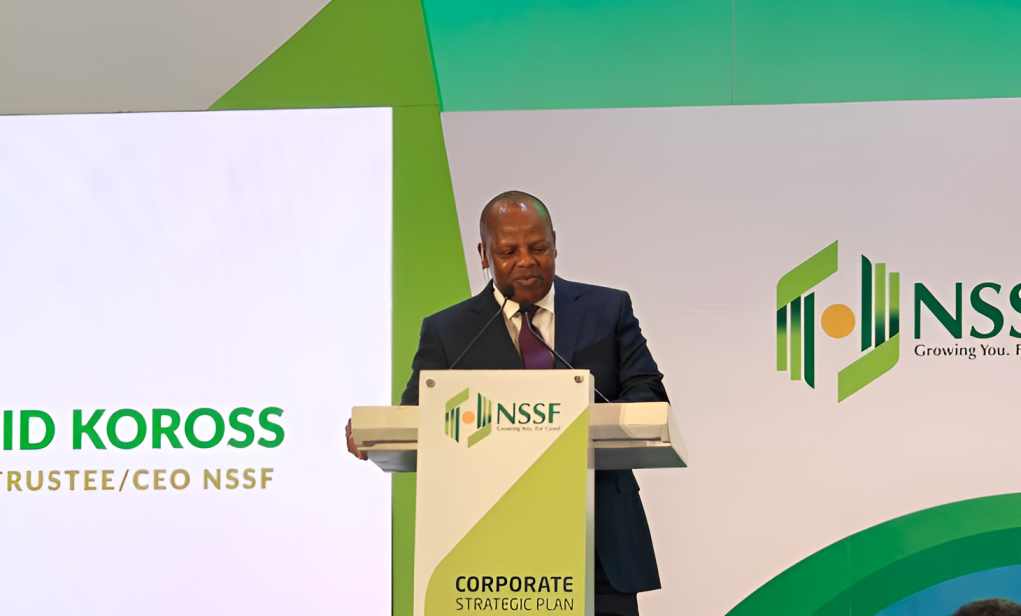
“The fund accrued unremitted contributions amounting to Sh5.1 billion. The arrears have attracted penalties amounting to Sh11.6 billion which is not included in the financial statements because of prudence considerations,” NSSF stated in its 2025 annual report.
“The fund has instituted recovery efforts through alternative dispute resolution, court action and intergovernmental relations technical committee for cases involving defunct local authorities.”
Employers who default on payments face stiff penalties that range from millions to billions of shillings. The NSSF Act requires a monthly surcharge of five percent of the unpaid contribution, which accumulates until the deduction is remitted.
The issue of delayed remittances is not limited to NSSF. Other retirement schemes, such as the Public Service Superannuation Scheme (PSSF), have faced similar shortfalls.
The Auditor-General reported that Sh1.2 billion meant for civil servants’ pensions was not remitted in the year to June 2025, further illustrating systemic weaknesses. Delayed payments reduce the time available for these funds to earn returns, negatively affecting employee benefits at retirement.
Despite the challenges, NSSF received higher total contributions during the year due to increased employer and employee rates.
Total inflows rose to Sh81.9 billion, up from Sh59.1 billion the previous year, including Sh28.8 billion in Tier I and Sh52.5 billion in Tier II contributions. Contributions to the old provident fund totaled Sh28.9 million, while the new provident fund collected Sh568.5 million.
The Retirement Benefits Authority (RBA) has pushed for changes in the law to hold accountable State agency officials who collect but fail to remit deductions.
“From where we sit, we are in the process of amending the law, so that all employers, whatsoever, including CEOs who do not remit those contributions to be held accountable and to be punished from day one,” said RBA chief executive Charles Machira in a September 2025 interview.
As of June 2025, the retirement industry reported Sh72 billion in total unremitted contributions, with 98 percent tied to county governments and quasi-government entities, including struggling public universities and sugar factories. RBA is also collaborating with the Kenya Revenue Authority (KRA) to strengthen collection efforts and ensure workers receive the pensions they are owed.



Comments
Sign in with Google to comment, reply, and like comments.
Continue with Google