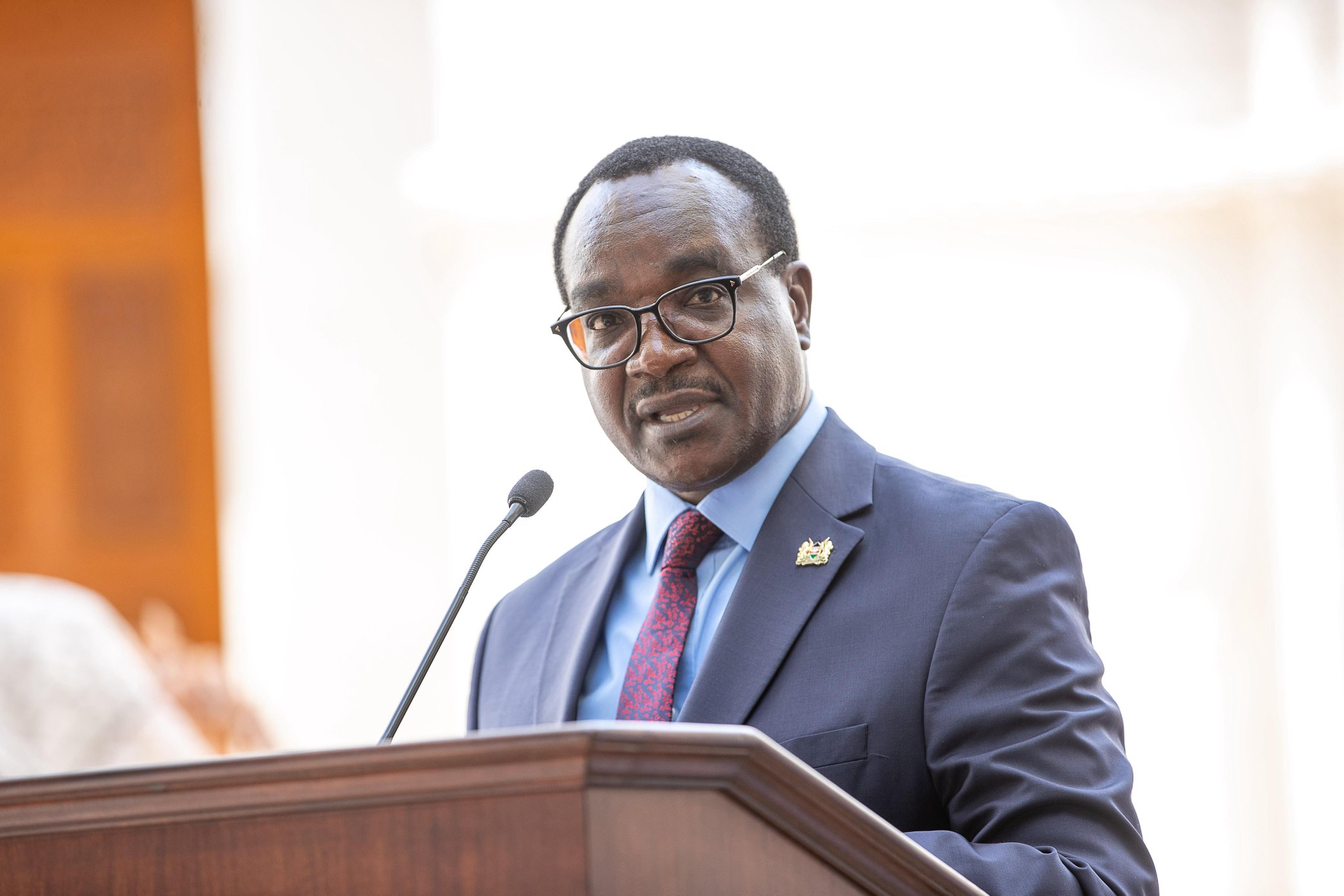
The Ministry of Education is set to launch a nationwide system that will track every learner’s funding from early childhood to university, a move aimed at providing a clear picture of education costs in Kenya.
Education Cabinet Secretary Julius Ogamba said the new initiative under the Competency-Based Curriculum (CBC) will assign a unique number to each student, capturing all contributions from government, counties, and private donors.
Speaking at the 2026 Legislative Retreat in Naivasha, Ogamba told lawmakers that the system will help the country determine the true cost of educating a child, a figure that remains unclear due to multiple funding sources.
“We actually as a country do not know how much it costs to educate a child from grade one all the way to university,” he said. He explained that government capitation, CDF and county bursaries, private sector contributions, and donations make it difficult to calculate the total investment in education.
The Cabinet Secretary noted that current capitation rates, ranging from Sh1,540 to Sh22,000, were set by a task force, but no comprehensive analysis has been done to determine the actual cost of educating a child. “No analysis has been done to determine what is the actual cost,” Ogamba said.
He added that the new system will link all funding to the learner’s unique number, allowing the government to track how much each student receives and assess overall education spending. Ogamba emphasized that this information will guide policy decisions, including evaluating whether current funding meets the constitutional guarantee of free and compulsory education under Article 53.
“If we put all these funds in one basket, we can then come up with an actual amount that we can say what it costs to educate a child,” he said.
Ogamba also addressed teacher shortages, revealing that the government has recruited 100,000 teachers so far and plans to hire 16,000 more by 2027. He said the Teachers Service Commission (TSC) will reassign teachers to ensure schools with fewer students in certain grades are balanced with those that have more.
“You will see once we have the exact report that some schools will not be having grade 10 students, and they will not be having form two students, so they’ll be having only forms three and four. TSC would now reallocate those teachers to schools that do not have enough,” he said.
He stressed that tracking education funding and addressing teacher distribution together is crucial for improving learning outcomes. “We have to be courageous about it, so that we have a clear picture. Because we have X number of students, X number of children, we need to know how much money is allocated to each of those children,” Ogamba said.
The new learner-tracking system is expected to be fully operational in the coming academic years, offering policymakers, educators, and stakeholders a reliable tool to monitor education financing and plan resource allocation effectively.































Comments
Sign in with Google to comment, reply, and like comments.
Continue with Google