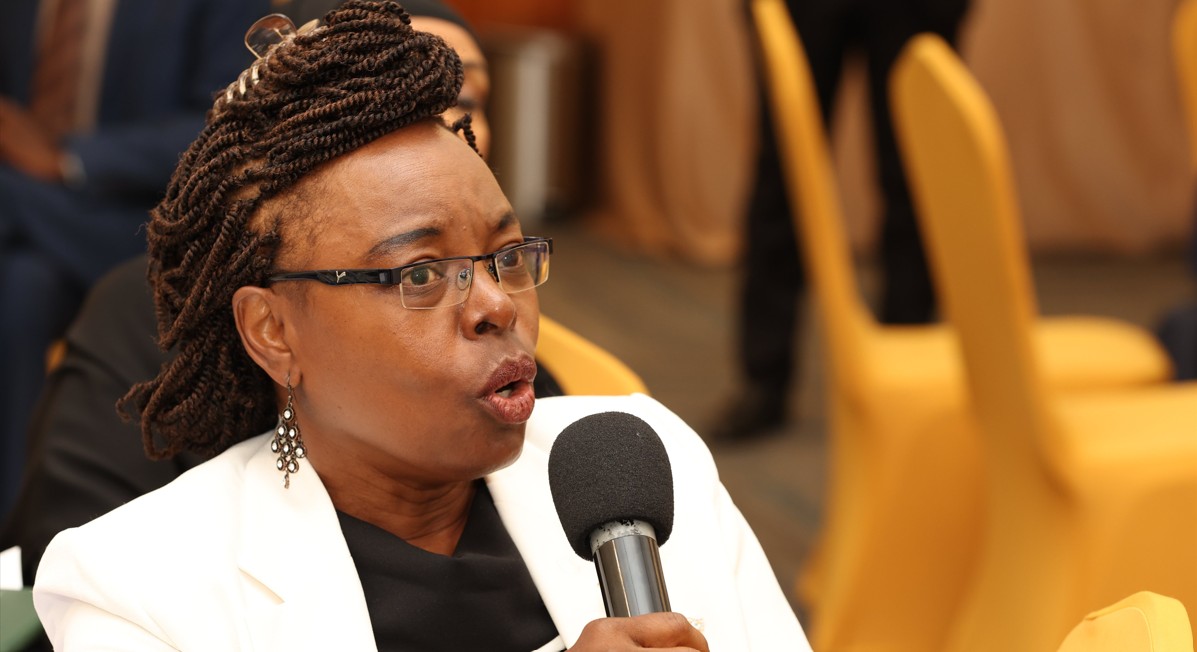
The Controller of Budget, Margaret Nyakang’o, has sounded the alarm over delays in releasing funds meant to drive development in marginalised counties.
In her latest report on the utilisation of Equalization Fund resources, she revealed that billions of shillings allocated to some of the country’s poorest regions remain undisbursed, threatening to stall critical projects aimed at improving access to basic services.
According to the report, more than Sh10 billion budgeted by counties under the second marginalisation policy has not yet been released. Nyakang’o highlighted that the delays are hitting ten counties hardest: Turkana, West Pokot, Wajir, Narok, Samburu, Mandera, Kilifi, Garissa, Baringo, and Marsabit.
These counties had set aside substantial amounts for development initiatives under the programme.
The report shows that counties also budgeted Sh24 million to support operations of the Equalisation Fund secretariat.
The breakdown of funds set aside by the affected counties includes Turkana Sh1.14 billion, West Pokot Sh1 billion, Narok Sh771.6 million, Wajir Sh730.16 million, Mandera Sh753.4 million, Samburu Sh649.6 million, Garissa Sh630.9 million, Baringo Sh595 million, Kilifi Sh539.9 million, and Marsabit Sh469.6 million.
Despite these allocations, the fund’s account held only Sh338.3 million in cash as of September 30, 2025, available for use by all 34 counties under the programme.
This balance was carried forward from the financial year ended June 30, 2025, intended for projects under the first marginalisation policy.
The report also reveals that Nyakang’o approved a withdrawal of just Sh48 million for development projects in Samburu county—representing only about seven per cent of the Sh649.68 million budgeted by the county.
This approval was part of three requests totaling Sh116.16 million from the fund. The remaining Sh68.15 million was earmarked to settle pending bills for development projects implemented under the Ministry of Water and Sanitation during the first policy phase.
Nyakang’o’s findings underscore the persistent challenge of delayed funding, which continues to hamper the progress of essential development projects in Kenya’s most marginalised areas.































Comments
Sign in with Google to comment, reply, and like comments.
Continue with Google