Kenya’s current account deficit widened in the year to October 2025, with new data showing that rising imports of intermediate and capital goods outpaced the growth in export earnings, placing more pressure on the country’s external position.
Fresh figures from the Central Bank show that the deficit expanded to 2.2 per cent of GDP during the twelve-month period, up from 1.5 per cent recorded over a similar stretch last year.
This happened even as horticulture, coffee, manufactured items and apparel registered stronger export receipts.
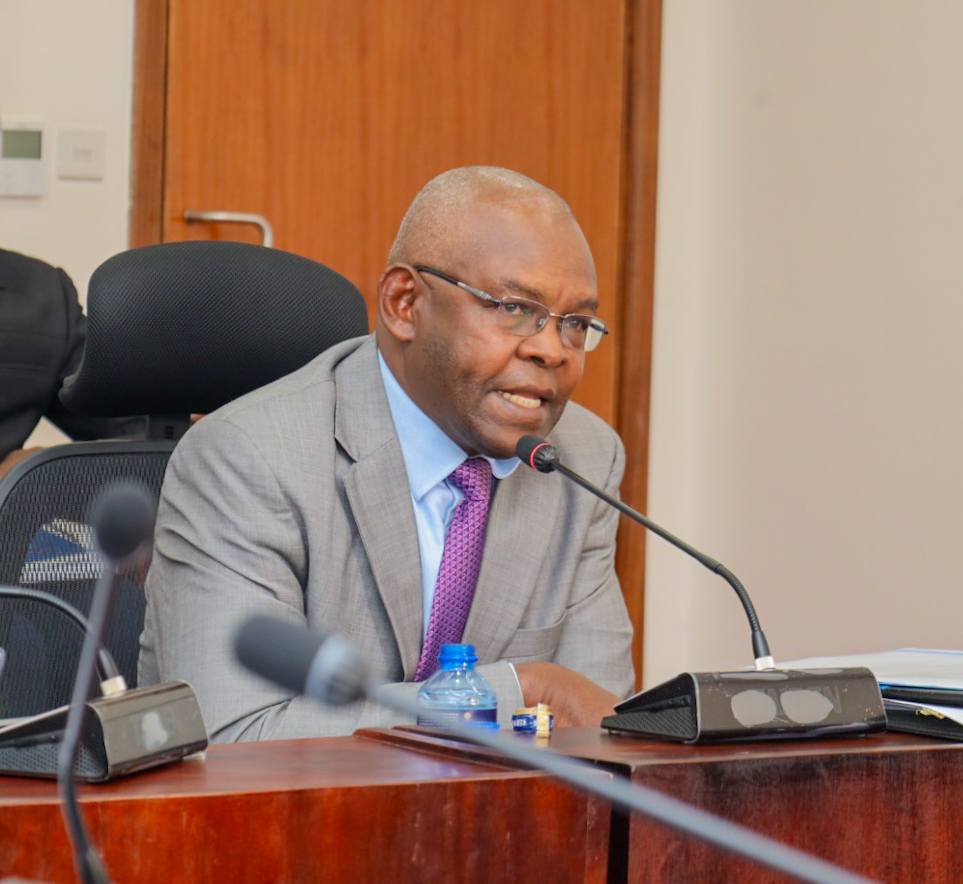
CBK Governor Kamau Thugge said the widening gap was driven by a faster rise in imports, which grew 9.6 per cent, compared to a 6.7 per cent increase in goods exported.
“The current account deficit stood at 2.2 per cent of GDP in the 12 months to October 2025 compared to 1.5 per cent of GDP in a similar period in 2024, mainly reflecting higher imports of intermediate and capital goods,” he said on Tuesday.
“Goods exported increased by 6.7 per cent, driven by horticulture, coffee, manufactured goods, and apparel. Goods imports rose by 9.6 per cent, reflecting increases in intermediate and capital goods imports.”
The current account measures the balance of trade in goods and services, income flows, and remittances, making it an important indicator of the country’s external strength.
A deficit shows that outflows are higher than inflows, meaning the economy must rely on outside funding to maintain stability. Kenya’s goods trade balance remains the main source of the gap due to the country’s reliance on imported inputs, machinery and consumer products.
During the review period, services earnings went up by 4.8 per cent on the back of stronger travel inflows. Diaspora remittances also rose by 5.8 per cent, easing part of the strain created by the faster expansion of imports.
The CBK expects the deficit to hold at around 2.3 per cent of GDP in both 2025 and 2026, supported by financial inflows that are projected to cover the entire gap.
These inflows are expected to deliver an overall balance of payments surplus of $1.9 billion (Sh245.6 billion) in 2025, strengthening external buffers and helping maintain stability.
The surplus is expected to ease to $681 million (Sh88 billion) in 2026 as financing patterns shift, though inflows are still seen as adequate to finance the deficit.
Kenya’s foreign exchange reserves are currently at $12.1 billion (Sh1.6 trillion), equal to 5.25 months of import cover, offering a strong cushion against short-term pressures.
The CBK noted that external conditions remain supportive, saying steady commodity prices and stable service exports should help moderate pressure on the current account. It added that financial account inflows, including portfolio movements and concessional loans, are expected to remain enough to fully offset the deficit.































Comments
Sign in with Google to comment, reply, and like comments.
Continue with Google